Recipe Details
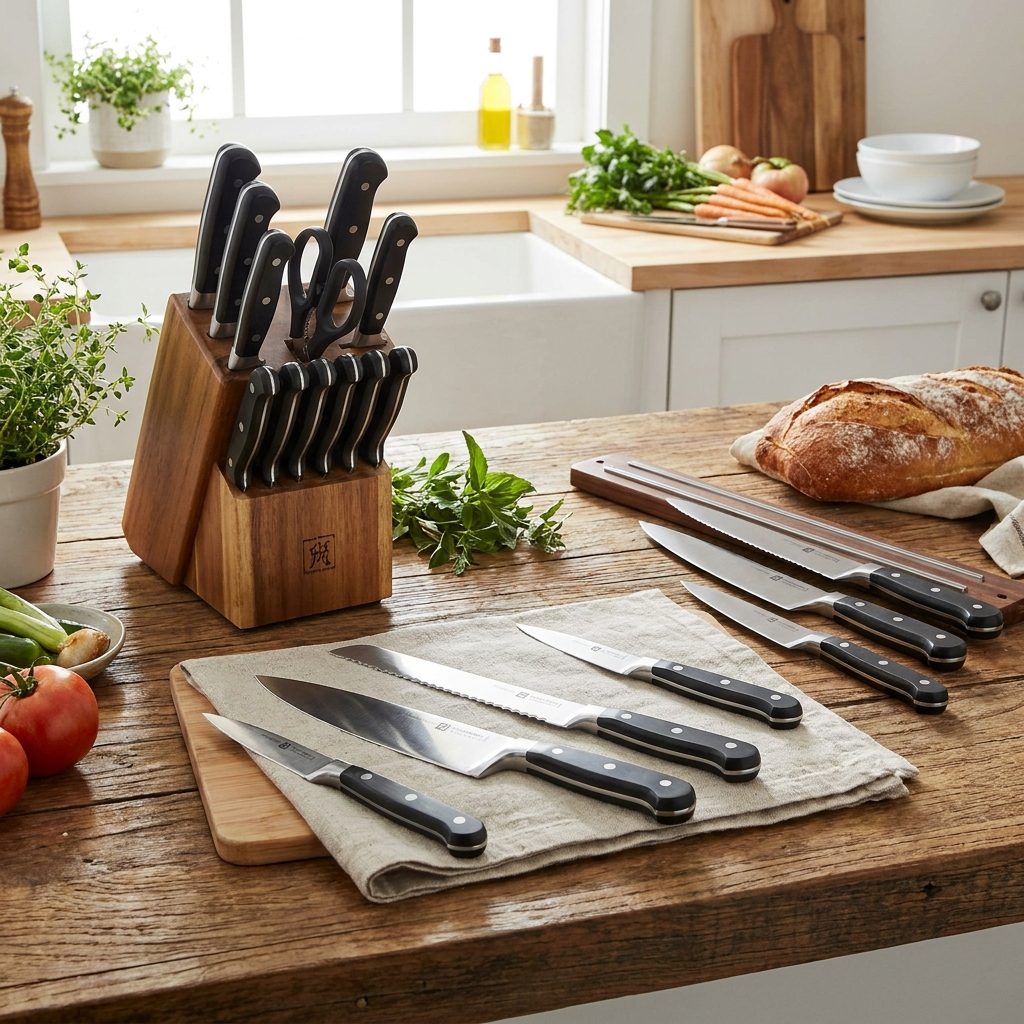
"Choosing the right kitchen knife set is one of the most important investments a home cook can make. This guide explores the differences in construction, materials, and essential pieces to ensure you have the sharpest tools for your culinary journey."
Ingredients
| Qty | Item |
|---|---|
| Ingredient list coming soon. | |
How to Make The Ultimate Guide to Choosing the Right Kitchen Knife Set
The Core Trio: Essential Knives to Look For
While massive knife blocks can look impressive, most professional chefs agree that you only truly need three core knives: a Chef’s knife (8-inch), a paring knife, and a serrated bread knife. When shopping for a set, ensure these three are of the highest quality, as they will handle 90% of your kitchen tasks. If a set includes a utility knife or kitchen shears, consider those as useful bonuses. For more detail, see our guide to store kitchen knives. For more detail, see our guide to build essential knife skills.
Forged vs. Stamped: Understanding Construction
Forged knives are made from a single piece of heated steel, pounded into shape. They typically feature a bolster (the thick part between the blade and handle) which provides better balance and finger protection. Stamped knives are cut out of a sheet of steel like a cookie cutter. While forged knives are traditionally seen as superior for their durability and weight, modern high-end stamped knives can be excellent and much lighter for those with wrist fatigue.
Material Matters: Steel and Beyond
Most quality knives are made from stainless steel or high-carbon steel. Stainless steel is resistant to rust and corrosion but may require more frequent sharpening. High-carbon steel holds an incredibly sharp edge for longer but is prone to staining and rust if not dried immediately after use. Ceramic knives are an alternative that stay sharp for years without maintenance, but they are brittle and can chip if they hit bone or a hard cutting board. For more detail, see our guide to maintain a wooden cutting board.
Ergonomics and Balance
A knife is an extension of your hand. Look for handles that offer a comfortable, non-slip grip, whether they are made of wood, composite, or plastic. The balance point should ideally be where the blade meets the handle. A well-balanced knife feels lighter than it actually is and provides more control during intricate tasks like mincing herbs or dicing onions.
Maintenance and Longevity
Even the best knife will become useless if not cared for. Look for sets that include a honing steel. Honing doesn't remove metal to sharpen; rather, it realigns the microscopic teeth on the blade edge. Additionally, consider how the set is stored; a magnetic strip or a wood block is essential to prevent blades from clashing and dulling in a crowded drawer.
Tips for Best Results
-
·
<html><ul><li>Never put your knives in the dishwasher; the high heat and harsh detergents will ruin the handle and dull the blade.</li><li>Always use a wooden or plastic cutting board; glass, marble, or granite surfaces will instantly damage your knife's edge.</li><li>Dry your knives immediately after hand-washing to prevent water spots and rust.</li><li>Hone your blade every 2-3 uses to maintain a straight, sharp edge between professional sharpenings.</li></ul></html>
Frequently Asked Questions
Is it better to buy a set or individual knives?
What is the difference between German and Japanese knives?
How often should I sharpen my kitchen knives?
Does the weight of the knife matter?
What to Cook Next
Next Recipe
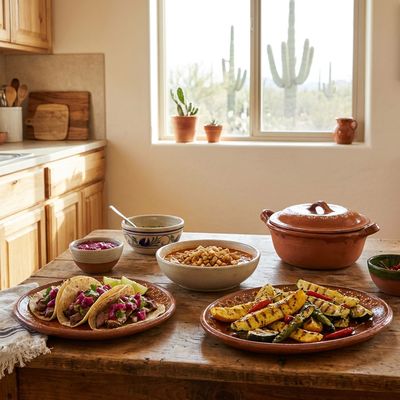
A Taste of Phoenix: 12 Sonoran Desert Dishes to Cook at Home
Explore the unique Sonoran culinary landscape of Phoenix through its most iconic dishes. This guide highlights the ingredients and traditions that make the Valley's food scene truly one-of-a-kind.
Similar Recipes to Try
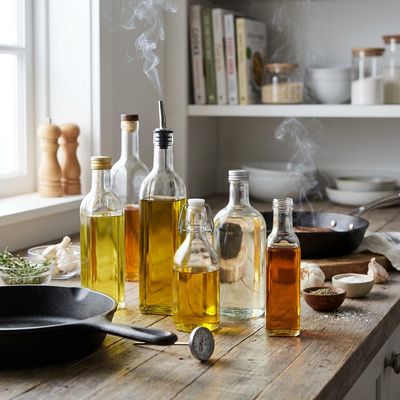
A Beginner's Guide to Cooking Oils and Smoke Points
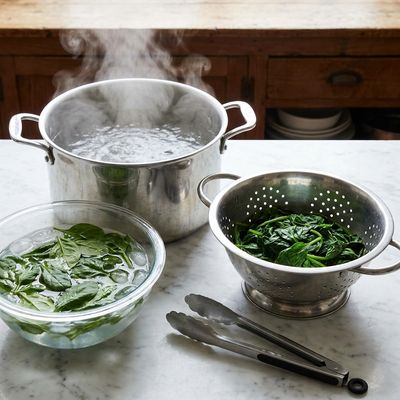
How to Blanch Spinach
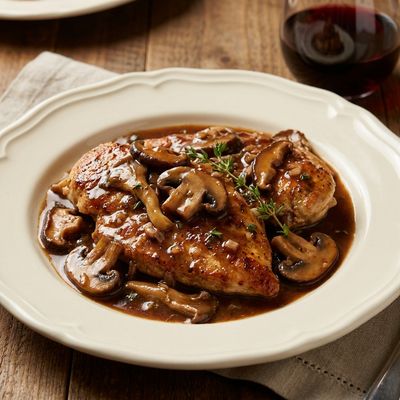
Chicken Marsala with Wild Mushrooms
45 min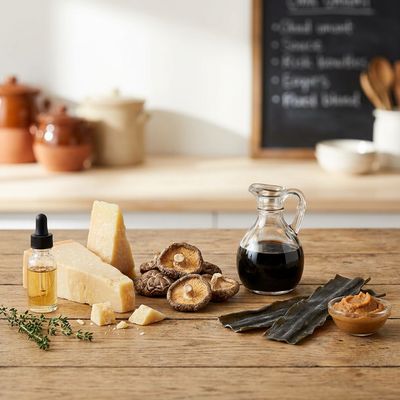
A Guide to Umami: How to Use Savory Flavors to Improve Your Cooking
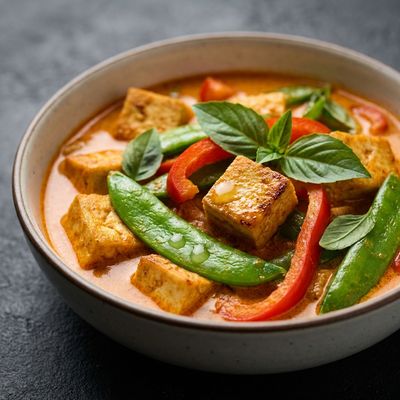
Thai Red Curry with Tofu and Snap Peas
35 min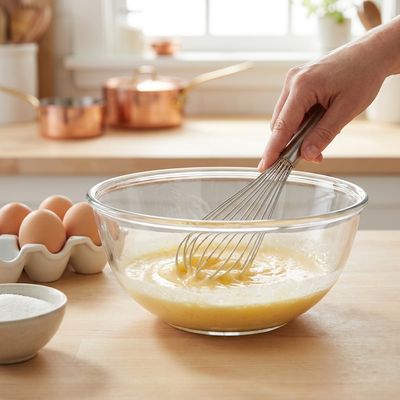
How to Whisk Egg Yolks
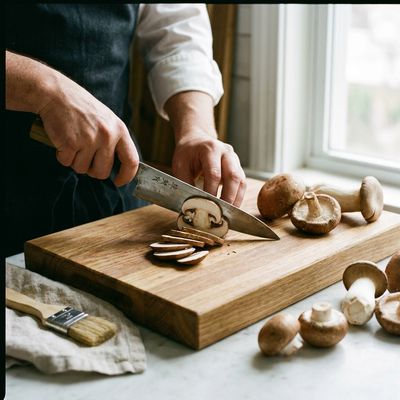
How to Slice Mushrooms
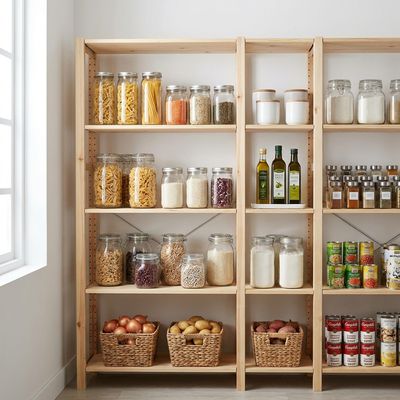
How to Stock a Basic Pantry: Must-Have Ingredients for New Cooks
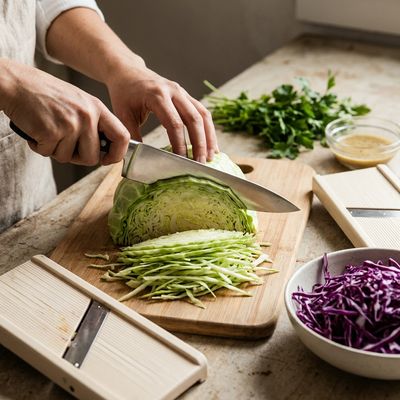
How to Shred Cabbage
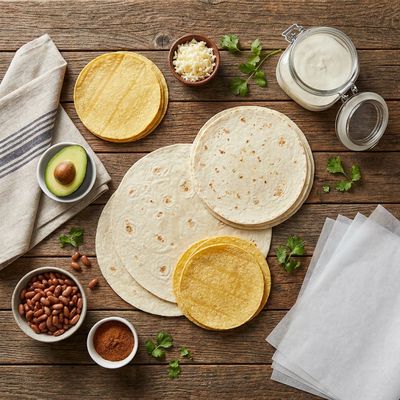
Tortillas: Uses, Substitutes, and How to Store It
Comments
(0)Sign in to leave a comment.
You Might Like
Ad Space Available
Be the first to leave a comment.