Recipe Details
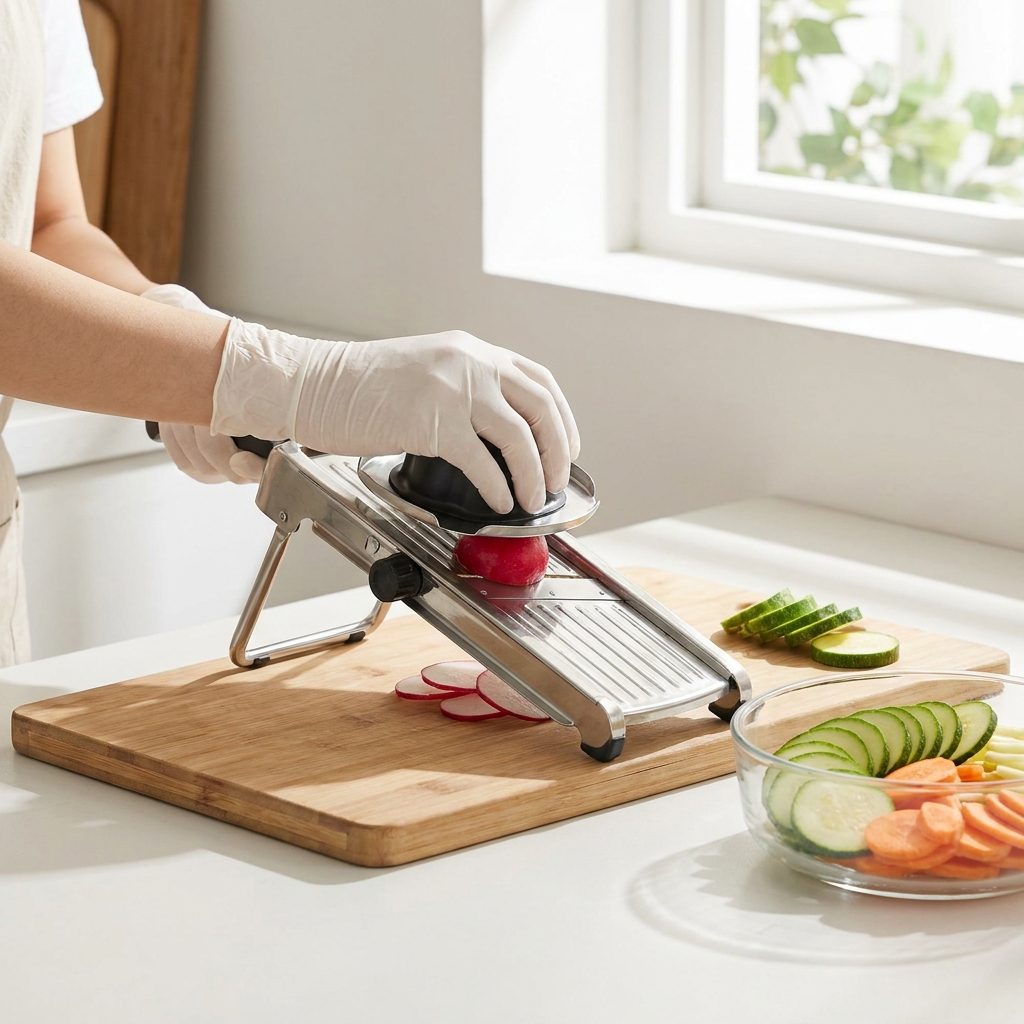
"The mandoline is a powerful kitchen tool capable of producing paper-thin, uniform slices that even the best knife skills can't match. However, its razor-sharp blade demands respect and proper technique to ensure your fingers stay safe while you cook."
Ingredients
| Qty | Item |
|---|---|
| Ingredient list coming soon. | |
How to Make The Beginner's Guide to Using a Mandoline Slicer Safely
Understanding Mandoline Types
Before you buy, know the two main styles: French and Japanese. French mandolines are often stainless steel, heavy, and come with various folding legs and multiple blades for waffle cuts and julienne. Japanese mandolines are typically lightweight plastic, handheld, and utilize a flat, diagonal blade. For beginners, a Japanese-style mandoline is often preferred for its maneuverability and ease of storage.
What Matters When Buying
Look for three main features: a comfortable handle, a non-slip base or feet, and an adjustable thickness dial. Cheaper models use plastic inserts to change thickness, which can be cumbersome. Higher-end models feature a built-in dial that allows for micro-adjustments, giving you more control over your produce. Most importantly, ensure it comes with a sturdy hand guard.
Essential Safety Gear
Never use a mandoline with your bare hands once the produce becomes small. The most critical accessory is the food holder (hand guard) that comes with the unit. For added security, invest in a pair of level 5 cut-resistant gloves. These gloves provide a physical barrier between your skin and the blade, which is especially helpful when you are first learning the motion.
The Proper Slicing Technique
Set up your mandoline on a flat, stable cutting board. If it has legs, ensure they are fully extended and locked. Hold the produce firmly with the hand guard. Use a fluid, downward motion to slide the fruit or vegetable over the blade. Apply consistent pressure, but do not force it. If you feel resistance, stop and check if the blade is clogged or if the produce is positioned incorrectly.
Cleaning and Care Instructions
Always wash your mandoline by hand immediately after use. Food particles that dry on the blade are difficult to remove and can dull the edge. Use a long-handled brush to clean around the blade to keep your fingers away from the sharp edge. Never leave a mandoline soaking in a sink of soapy water where someone might reach in and accidentally touch the blade. Dry it thoroughly before storing it in a dedicated sleeve or box.
Safe Alternatives
If the mandoline feels too intimidating, you can achieve similar (though less uniform) results using a very sharp chef's knife and a steady hand. For thin ribbons of vegetables like carrots or zucchini, a Y-shaped vegetable peeler is a fantastic, low-risk alternative. For large batches of sliced potatoes, the slicing disc on a food processor is the safest and fastest option.
Tips for Best Results
-
·
<html><ul><li>Always use the hand guard, even if you think you have enough 'grip' left on the vegetable.</li><li>Wear a cut-resistant glove on the hand doing the slicing for an extra layer of insurance.</li><li>Slice off the end of your vegetable to create a flat surface before placing it against the blade.</li><li>Store the mandoline on the 'locked' or 'closed' setting if your model allows it to prevent accidental cuts in the drawer.</li><li>If the vegetable is too large for the guard, slice it in half manually before using the mandoline.</li></ul></html>
Frequently Asked Questions
Can I sharpen the blade on my mandoline?
Is it safe to wash my mandoline in the dishwasher?
What are the best foods to slice with a mandoline?
Why are my slices coming out uneven?
What to Cook Next


Next Recipe
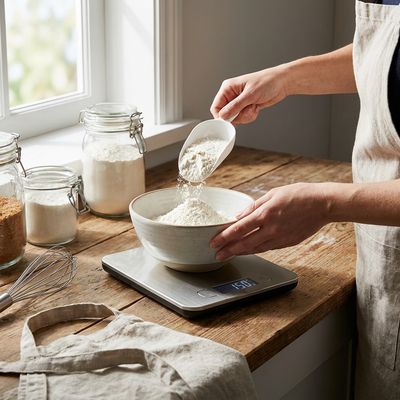
How to Use a Kitchen Scale for More Accurate Baking
Baking is a science where precision is the difference between a sunken cake and a masterpiece. This guide explains why traditional measuring cups often lead to failure and how a digital scale provides the accuracy needed for perfect results every time.
Similar Recipes to Try

A Guide to Choosing the Best Cuts of Beef for Every Cooking Method

How to Substitute Lemon Juice: Best Acid Swaps for Flavor and Preservation
Lemon Wedges: Uses, Substitutes, and How to Store It
The Ultimate Guide to Choosing the Right Kitchen Knife Set
How to Dice Onions
How To Grill Steak

How to Descale Your Coffee Maker for Better Tasting Coffee
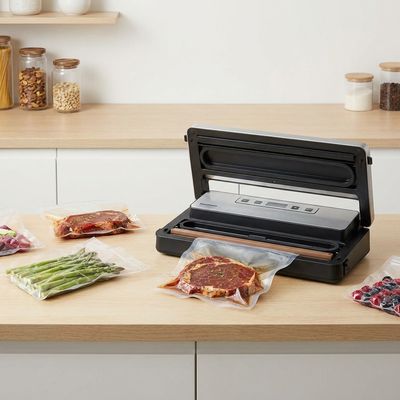
A Guide to Vacuum Sealing Food for Long-Term Storage
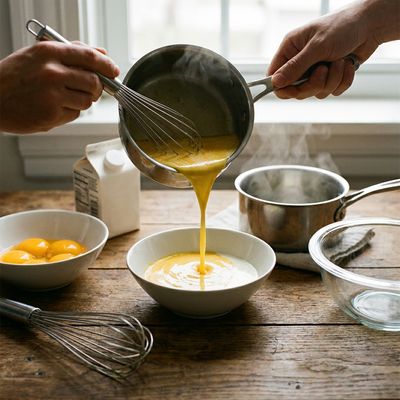
How to Temper Eggs for Smooth Custards and Sauces
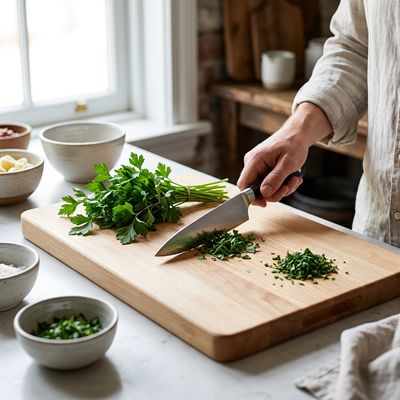
How to Chop Parsley
Comments
(0)Sign in to leave a comment.
You Might Like


Ad Space Available
Be the first to leave a comment.