Recipe Details
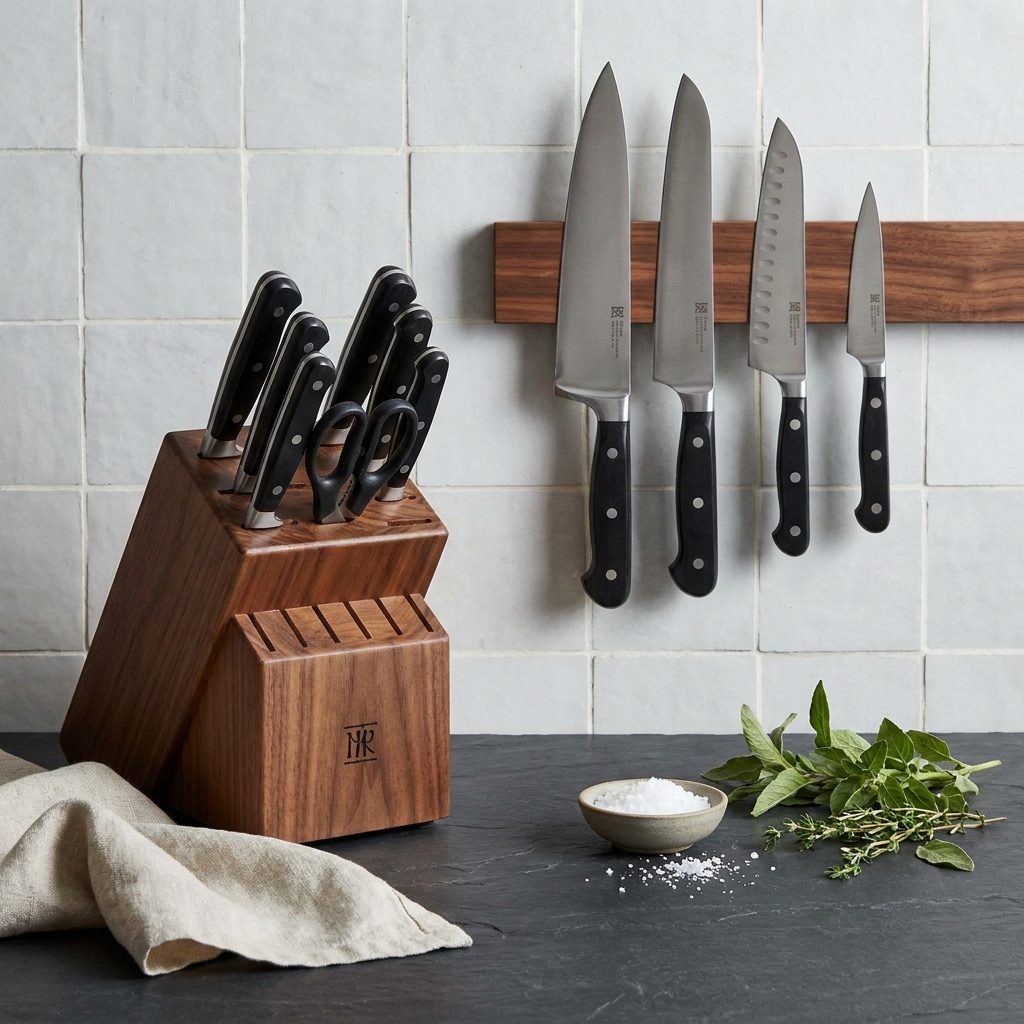
"Proper knife storage is critical for maintaining a razor-sharp edge and ensuring kitchen safety. This guide explores the best storage tools and techniques to protect your culinary investment from dulling and damage."
Ingredients
| Qty | Item |
|---|---|
| Ingredient list coming soon. | |
How to Make How to Store Kitchen Knives to Keep Them Sharp Longer
The Importance of Dedicated Storage
A high-quality kitchen knife is a precision tool with an edge that is often only a few microns thick. When knives are tossed loosely into a utility drawer, they collide with other metal objects, leading to microscopic chips and rapid dulling. Beyond protecting the steel, proper storage is a primary safety concern, preventing accidental cuts when reaching into drawers. For more detail, see our guide to build essential knife skills.
Magnetic Knife Strips
Magnetic strips are widely considered the gold standard by professional chefs. They keep blades visible, accessible, and away from the moisture of a countertop. To use them correctly without damaging the edge, always place the spine of the knife against the strip first, then let the blade snap into place. When removing it, pull the handle and twist the spine away from the magnet to avoid dragging the sharp edge across the surface.
Countertop Knife Blocks
The classic wood block is a kitchen staple, but it requires specific care. To prevent the edge from dulling against the wood every time you slide it in, store the knives upside down (blade-edge facing up) so the weight rests on the spine. If you are concerned about hygiene, look for universal knife blocks filled with BPA-free plastic rods, which can be removed and washed in the dishwasher.
In-Drawer Organizers
For those who prefer a minimalist countertop, in-drawer knife docks are the ideal solution. These organizers feature slots that keep the blades separated and pointed downwards. When shopping for these, look for materials like cork, bamboo, or food-grade plastic that offer enough friction to keep the knives from sliding but are soft enough not to scratch the steel.
Individual Blade Guards and Sayas
If you only own a few high-end knives or have a small kitchen, individual blade guards (sheaths) are highly effective. For traditional Japanese knives, a wooden sheath called a 'saya' is the preferred method. These are excellent for protecting knives that don't fit into standard blocks or for chefs who frequently travel with their kits.
What to Avoid
Never store your knives in a dishwasher or in a damp environment. The high heat and chemicals in dishwasher detergent can corrode the steel and warp wooden handles. Furthermore, avoid any storage method that allows the sharp edge to come into contact with hard surfaces like stone, glass, or other metal utensils.
Tips for Best Results
-
·
<html><ul><li>Always hand-dry your knives completely before storage to prevent rust and water spots.</li><li>If using a wooden block, use a can of compressed air every few months to blow out any dust or crumbs from the slots.</li><li>Mount magnetic strips away from high-traffic areas where they might be bumped or knocked.</li><li>For high-carbon steel knives, apply a tiny drop of food-grade mineral oil before storing to create a moisture barrier.</li></ul></html>
Frequently Asked Questions
Can magnets damage my high-end knives?
How often should I clean my knife block?
Is it okay to store knives in their original boxes?
Should I store my honing rod in the knife block?
What to Cook Next

Next Recipe
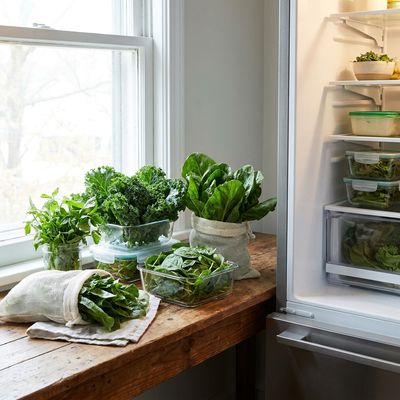
The Best Way to Store Leafy Greens to Keep Them From Wilting
Leafy greens are a nutritional powerhouse, but they are notoriously prone to wilting and spoilage. This guide explores the best methods to maintain crispness and extend the shelf life of your favorite greens through proper selection and storage science.
Similar Recipes to Try
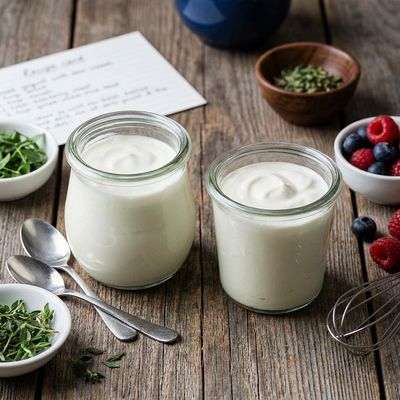
Greek yogurt: How to Choose, Use and Store It
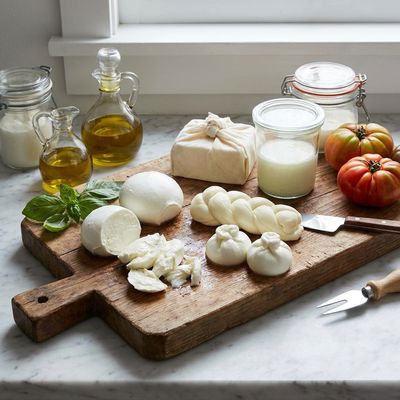
Mozzarella: Uses, Substitutes, and How to Store It
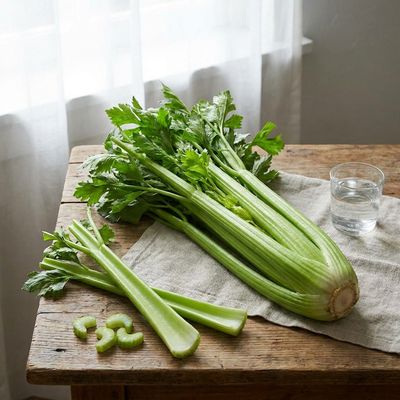
Celery: Uses, Substitutes, and How to Store It
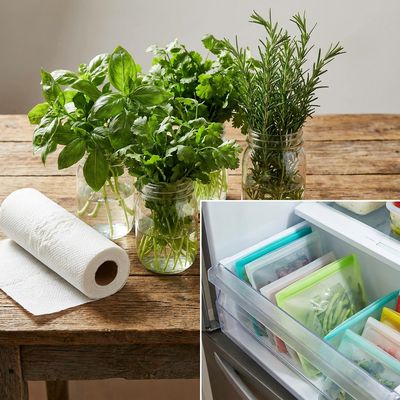
How to Store Fresh Herbs to Make Them Last for Weeks
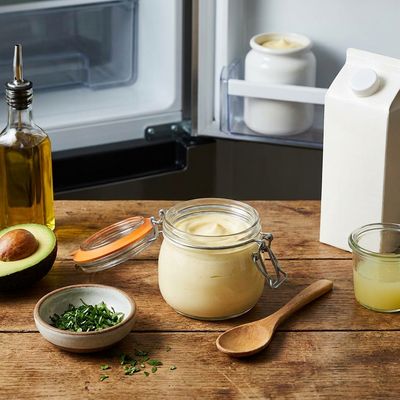
Mayonnaise: Uses, Substitutes, and How to Store It
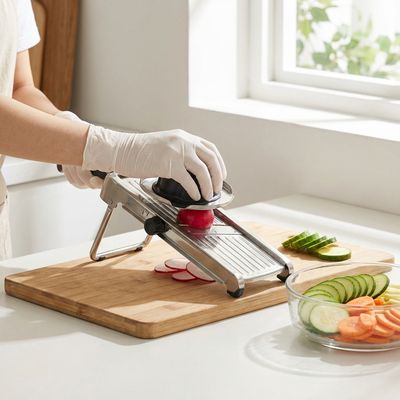
The Beginner's Guide to Using a Mandoline Slicer Safely
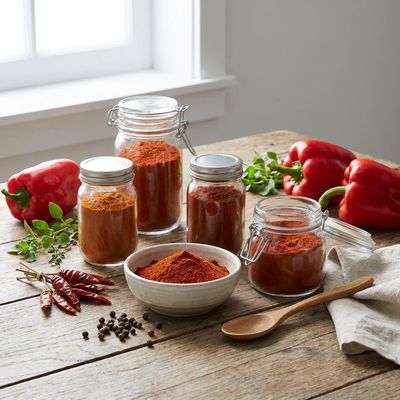
Paprika: Uses, Substitutes, and How to Store It
Active Dry Yeast Guide: How to Choose, Use and Store It
Tortillas: Uses, Substitutes, and How to Store It
How to Blanch Vegetables for Longer Freezer Life
Comments
(0)Sign in to leave a comment.
You Might Like
Ad Space Available
Be the first to leave a comment.