Recipe Details
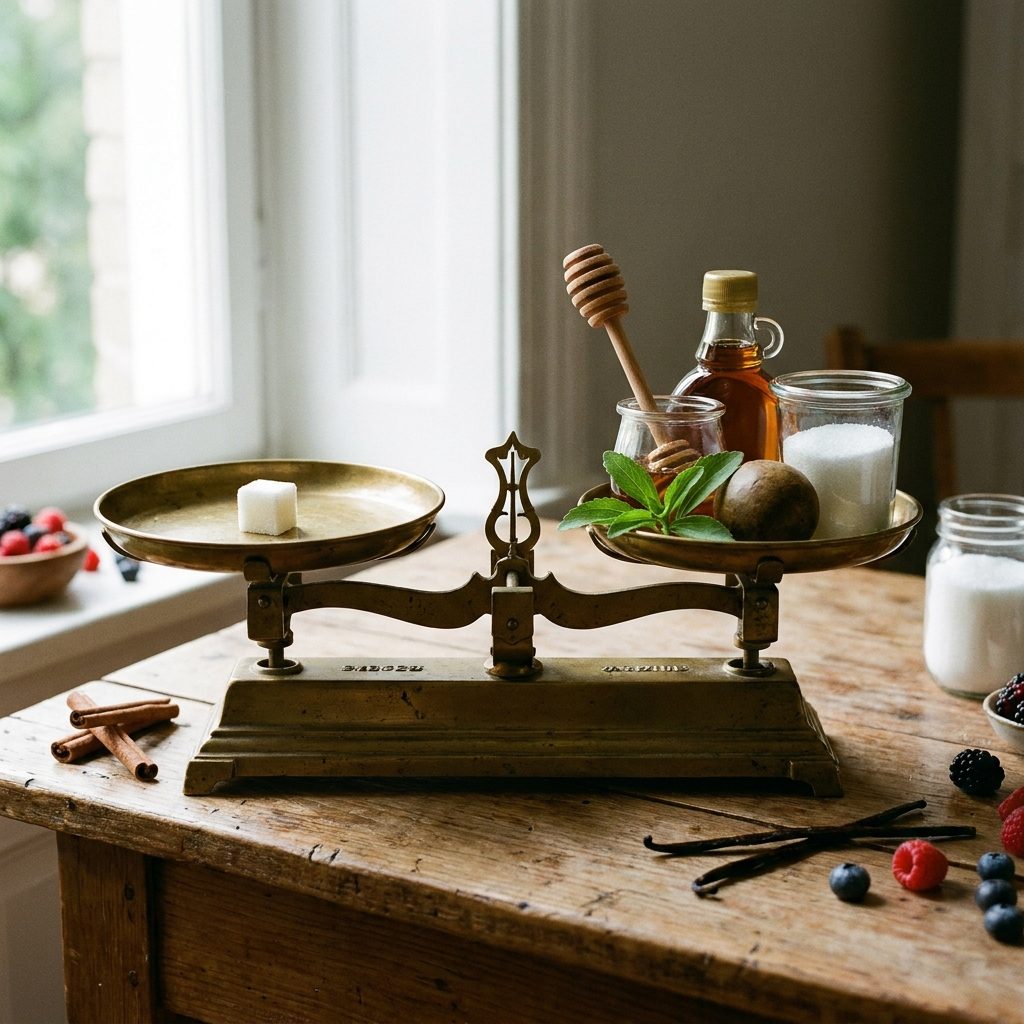
"Sugar plays a vital role in recipes beyond just sweetness, impacting browning, texture, and moisture retention. This comprehensive guide explores the best natural and low-calorie alternatives to help you successfully adapt your favorite dishes for any dietary requirement."
Ingredients
| Qty | Item |
|---|---|
| Ingredient list coming soon. | |
How to Make How to Substitute Sugar: A Guide to Natural and Low-Calorie Sweeteners
Understanding Sugar's Functional Role
Before swapping sugar, it is essential to understand that sugar is more than a sweetener; it is a functional ingredient. In baking, sugar provides 'bulk,' assists in aeration during the creaming process with butter, and attracts moisture (hygroscopy) to keep cakes tender. When you remove sugar, you aren't just losing sweetness; you are altering the structural integrity and shelf life of the finished product. Successful substitution requires balancing these missing physical properties.
Liquid Natural Sweeteners: Honey, Maple Syrup, and Agave
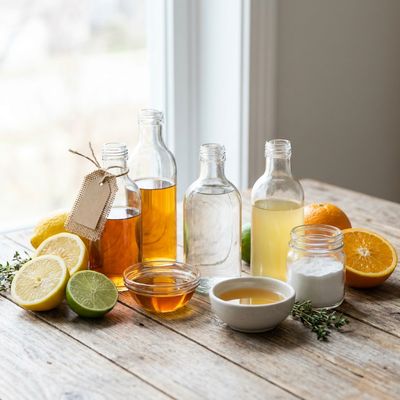
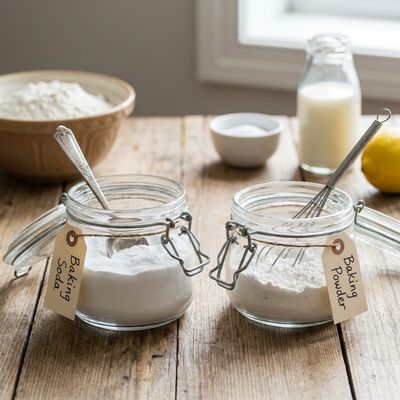
Natural liquid sweeteners like honey and maple syrup are popular for their rich flavor profiles. However, because they are liquids, they cannot be swapped 1:1 for granulated sugar without adjustments. Generally, use 3/4 cup of liquid sweetener for every 1 cup of sugar. To compensate for the added moisture, reduce other liquids in the recipe (like milk or water) by about 3 to 4 tablespoons. Additionally, since honey and maple syrup are more acidic than white sugar, add 1/4 teaspoon of baking soda to help with browning and leavening.
Granulated Low-Calorie Swaps: Erythritol and Monk Fruit
For those looking to reduce calories or manage blood sugar, erythritol and monk fruit blends are the closest 1:1 physical replacements for granulated sugar. These sweeteners provide the necessary bulk for cookies and cakes. However, erythritol does not dissolve as easily as sugar and can have a 'cooling' sensation on the palate. Monk fruit is often blended with erythritol to mask this. While they mimic sugar's sweetness well, they do not caramelize or 'brown' in the same way, so your baked goods may appear paler than usual.
High-Intensity Sweeteners: Stevia
Stevia is significantly sweeter than sugar, meaning you only need a tiny amount to achieve the same sweetness level. Because of this, it lacks the 'bulk' required for traditional baking. If a recipe calls for a cup of sugar and you use a teaspoon of stevia, the physical structure of the cake will collapse. Stevia is best used in recipes where sugar is primarily for flavor rather than structure, such as in puddings, sauces, or beverages. For baking, look for 'Stevia Blends' designed specifically for a 1:1 volume replacement.
The Science of Texture and Browning
When substituting sugar with low-calorie alternatives, expect changes in texture. Sugar keeps cookies soft by holding onto water; without it, cookies may become crisp or 'cakey.' Allulose is a newer rare sugar that is gaining popularity because it actually caramelizes and melts like real sugar, making it the superior choice for soft-chew cookies or caramel sauces where other sugar-free alternatives would fail or crystallize.
Tips for Best Results
-
·
<html><ul><li>Lower your oven temperature by 25°F (15°C) when using honey or maple syrup to prevent over-browning.</li><li>For the best texture in sugar-free baking, use a blend of two different sweeteners rather than just one.</li><li>Use a kitchen scale to measure substitutions by weight rather than volume for more consistent results.</li><li>Add an extra egg white or a teaspoon of fruit puree to sugar-free batters to help mimic the moisture-retaining properties of real sugar.</li></ul></html>
Frequently Asked Questions
Can I swap honey for sugar in a 1:1 ratio?
Which sugar substitute is best for caramelizing?
Why did my sugar-free cookies turn out dry?
Is Xylitol safe for all households?
What to Cook Next
Next Recipe
How to Substitute Lemon Juice: Best Acid Swaps for Flavor and Preservation
Lemon juice is a kitchen workhorse, providing essential acidity that balances flavors, prevents browning, and acts as a preservation agent. This guide explores the best liquid and dry alternatives to ensure your culinary results remain consistent and delicious when you run out of fresh citrus.
Similar Recipes to Try
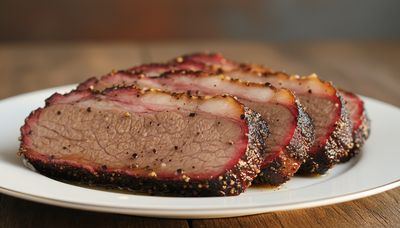
Smoked Beef Brisket
765 min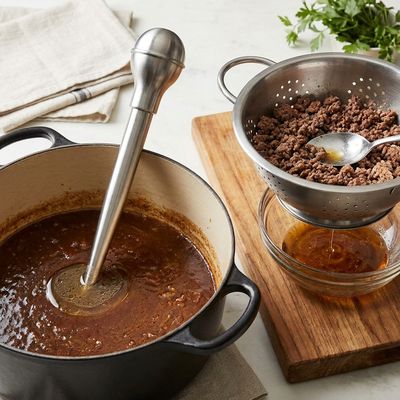
How to Drain Excess Fat

A Taste of Brussels: 8 Classic Belgian Dishes to Cook at Home
How to Soften Butter Quickly Without Melting It
Cauliflower Crust Pizza
45 min
Healthy Butter Substitutes: Best Swaps for Baking and Cooking
Mixed Berry Overnight Oats
10 min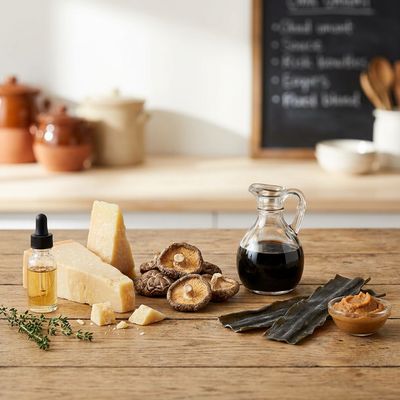
A Guide to Umami: How to Use Savory Flavors to Improve Your Cooking
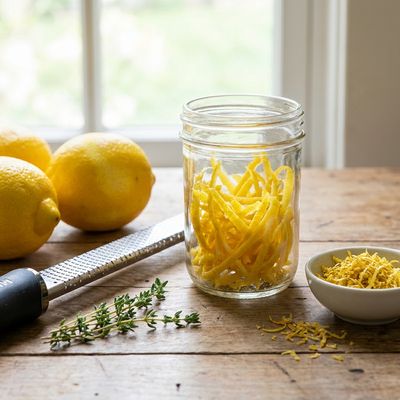
Lemon Zest: Uses, Substitutes, and How to Store It
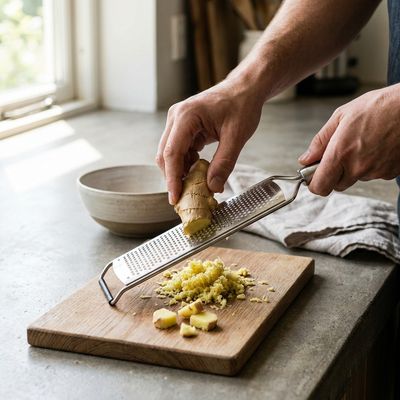
How to Grate Ginger
Comments
(0)Sign in to leave a comment.
You Might Like
Ad Space Available
Be the first to leave a comment.