Recipe Details
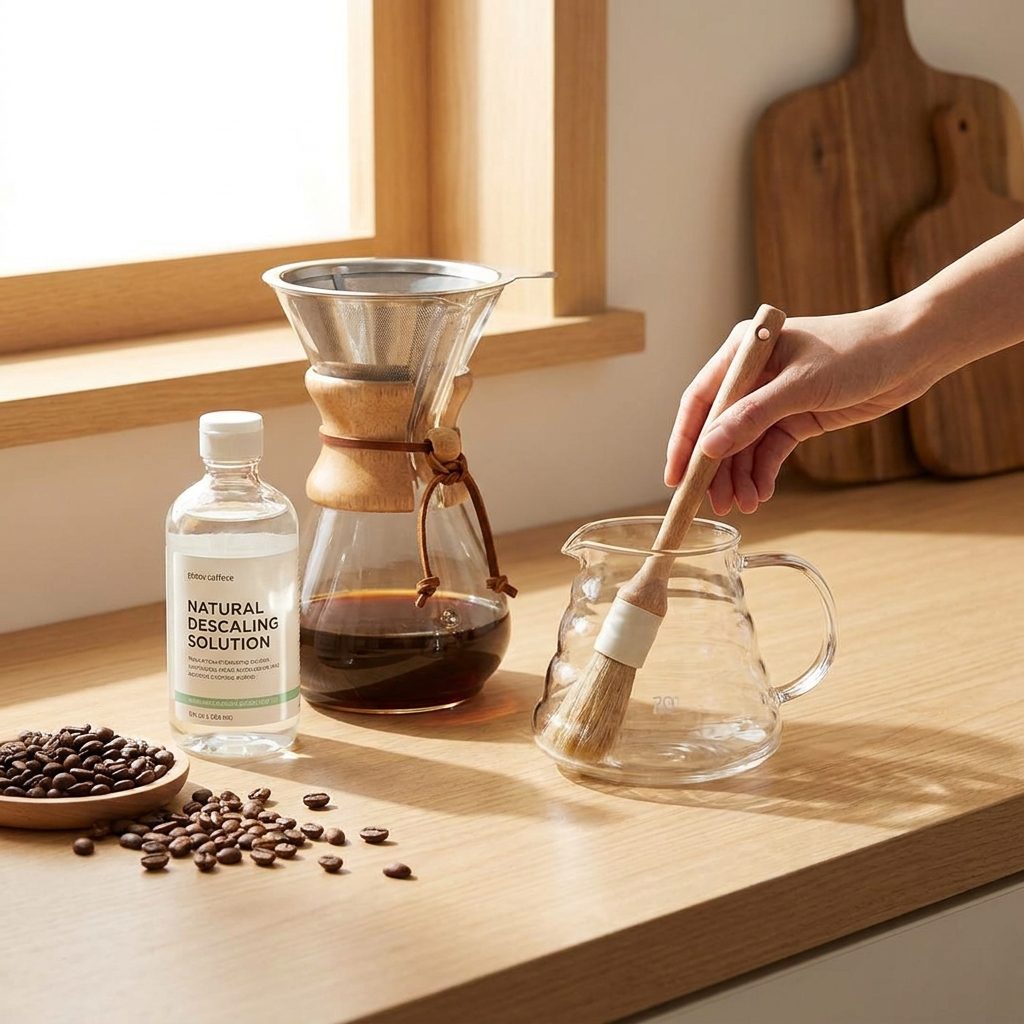
"Limescale and mineral buildup can ruin the flavor of your coffee and shorten the lifespan of your machine. This guide teaches you the best methods for descaling your coffee maker to ensure every cup is as fresh and flavorful as possible."
Ingredients
| Qty | Item |
|---|---|
| Ingredient list coming soon. | |
How to Make How to Descale Your Coffee Maker for Better Tasting Coffee
Understanding Mineral Buildup
Every time you brew coffee, water passes through your machine’s heating element. Over time, the minerals found in water—specifically calcium and magnesium—solidify and create a hard white crust known as scale. This scale insulates the water from the heating element, leading to lower brewing temperatures and bitter, under-extracted coffee. Regular descaling is the only way to remove these deposits and keep your machine running efficiently.
Choosing Your Descaling Agent
You have two primary options: commercial descaling solutions or household white vinegar. Commercial descalers are often formulated with citric, sulfamic, or lactic acids that are highly effective and odorless. White vinegar is a cost-effective alternative that works well, though it requires more thorough rinsing to remove its pungent scent. For high-end espresso machines, always check the manual, as some manufacturers specify that only certain chemicals should be used to protect internal components.
The Descaling Process Step-by-Step
First, empty the water reservoir and remove any charcoal filters or coffee grounds. Fill the reservoir with your chosen descaling solution mixed with water according to the package instructions (or a 1:1 ratio if using vinegar). Place a large carafe or mug under the brew head. Start a brew cycle and stop it halfway through, allowing the solution to sit inside the machine for 20 to 30 minutes. This 'soak time' allows the acid to break down stubborn mineral deposits. Finish the brew cycle, discard the solution, and then run at least two full cycles of clean, filtered water through the machine to ensure no residual cleaner remains.
Natural Alternatives
If you prefer to avoid vinegar or commercial chemicals, citric acid powder is an excellent alternative. Mix two tablespoons of citric acid into a quart of warm water until dissolved. This method is highly effective at dissolving scale without the lingering smell of vinegar. Lemon juice can also work in a pinch, but it must be strained carefully to remove all pulp and seeds, which could clog the machine.
Regular Maintenance and Prevention
To reduce the frequency of descaling, use filtered or bottled water instead of hard tap water. While you shouldn't use distilled water (as it lacks the minerals needed for optimal coffee extraction), a simple carbon filter pitcher can significantly slow down scale accumulation. Aim to descale your machine every three to six months, or more frequently if you live in an area with particularly hard water.
Tips for Best Results
-
·
<ul><li><strong>Use Filtered Water:</strong> Using a water filter pitcher reduces the mineral content that leads to scale buildup.</li><li><strong>Set a Calendar Reminder:</strong> Descale every 90 days to keep your machine in top shape before you notice a change in flavor.</li><li><strong>The Vinegar Rinse:</strong> If using vinegar, run three rinse cycles instead of two to ensure no sour taste lingers in your next pot.</li><li><strong>Check Your Warranty:</strong> Some high-end brands require specific descaling brands to keep your warranty valid.</li></ul>
Frequently Asked Questions
How often should I descale my coffee maker?
What is the difference between cleaning and descaling?
Can I use apple cider vinegar instead of white vinegar?
Why does my coffee taste bitter even after cleaning?
What to Cook Next


Next Recipe
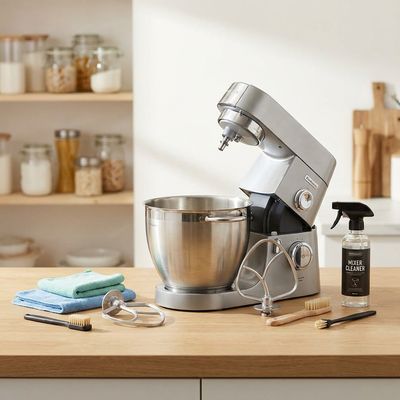
A Guide to Deep Cleaning Your Stand Mixer
Your stand mixer is the workhorse of your kitchen, but flour dust and butter splatters can quickly lead to mechanical issues. This guide covers everything from daily maintenance to the deep-cleaning steps required to keep your machine running smoothly for decades.
Similar Recipes to Try

How to Substitute Greek Yogurt and Sour Cream in Any Recipe

How To Make Gravy

A Beginner's Guide to Cooking Oils and Smoke Points
How to Saute Onions

How to Blanch Vegetables for Longer Freezer Life

The Science of Brining: Why Salt Makes Meat More Tender and Flavorful

Why Are My Cookies Flat? How to Prevent Cookie Spreading

Celery: Uses, Substitutes, and How to Store It

How To Fry Bacon
The Beginner's Guide to Using a Mandoline Slicer Safely
Comments
(0)Sign in to leave a comment.
You Might Like




Ad Space Available
Be the first to leave a comment.