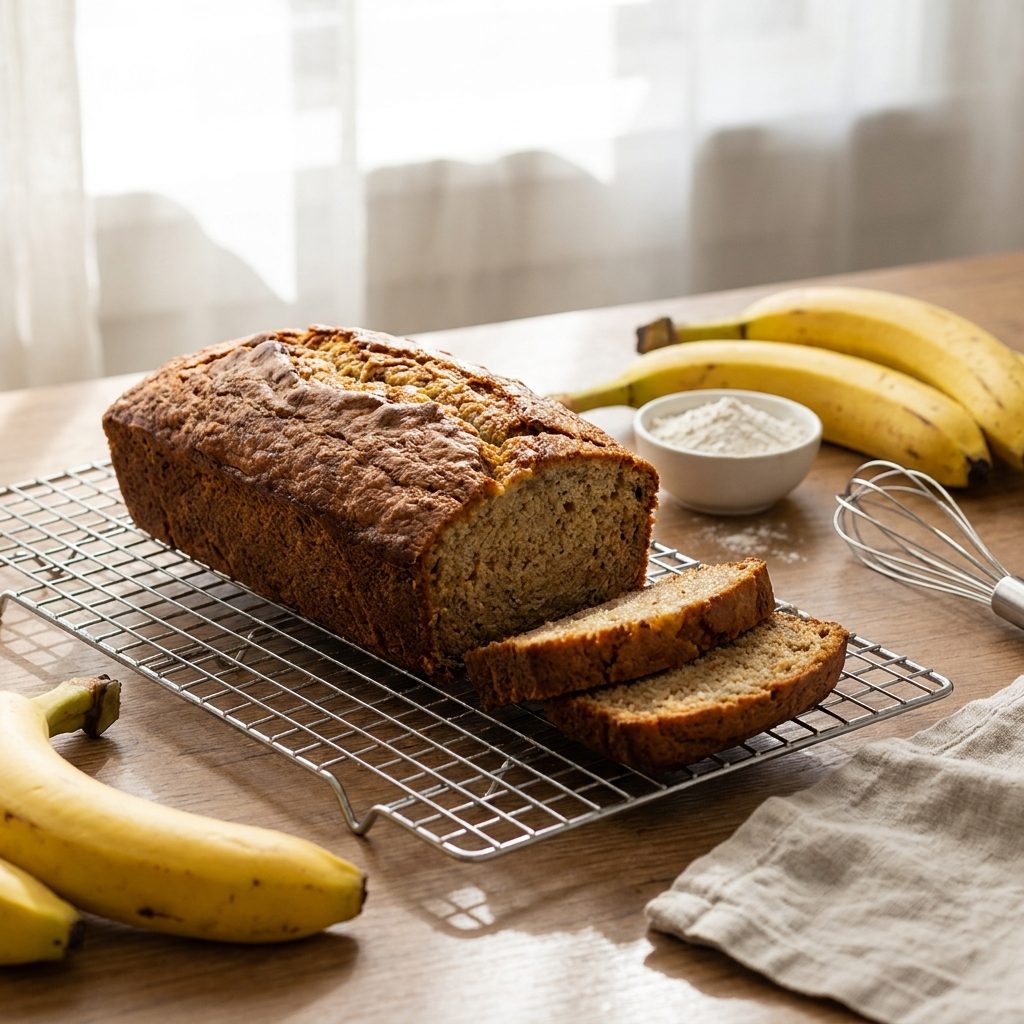
Recipe Details
"Banana bread is a staple of home baking, yet achieving the perfect balance of moisture and structure requires specific culinary techniques. This guide breaks down the science of ripening, mixing, and baking to ensure your loaves are consistently delicious and moist."
Ingredients
| Qty | Item |
|---|---|
| Ingredient list coming soon. | |
How to Make How To Make Banana Bread
Step 1: Selecting and Preparing the Bananas
The secret to exceptional banana bread lies in the ripeness of the fruit. You should use bananas that are heavily speckled with black spots or are almost entirely black. At this stage, the starches have converted to sugars, and the moisture content is at its peak. Peel the bananas and mash them in a bowl using a fork or potato masher until they reach a smooth consistency with only a few small lumps remaining.
Step 2: Preparing the Fat and Sugar Base
To ensure a tender crumb, decide between using melted butter for flavor or oil for long-lasting moisture. In a large mixing bowl, whisk together your melted fat and sugar (a mix of white and brown sugar provides the best balance of sweetness and moisture). Add eggs and vanilla extract, whisking vigorously until the mixture is emulsified and slightly aerated. This creates the structural foundation of your bread.
Step 3: Sifting and Incorporating Dry Ingredients
In a separate bowl, whisk together your all-purpose flour, baking soda, and salt. Sifting these ingredients ensures that the leavening agent is evenly distributed, preventing tunnels or uneven rising. Gently fold the dry ingredients into the wet banana mixture using a rubber spatula. It is critical to stop mixing as soon as no more streaks of flour are visible. Overmixing develops gluten, which will make the bread tough and rubbery.
Step 4: The Proper Bake
Pour the batter into a greased and floured 9x5-inch loaf pan. Smooth the top with a spatula. Bake in a preheated oven at 350°F (175°C) for 50 to 60 minutes. Because banana bread is dense, it requires a long bake time. The bread is done when a skewer inserted into the center comes out clean or with just a few moist crumbs attached.
Step 5: The Cooling Process
Resistance is key here. Allow the bread to cool in the pan for at least 10 minutes to let the structure set. Then, transfer it to a wire rack to cool completely. Slicing into hot banana bread allows steam to escape, which can lead to a dry loaf later on. For the best flavor, let it sit for a few hours as the sugars continue to settle and deepen.
Tips for Best Results
-
·
<ul><li>Use extra-ripe bananas: The blacker the skin, the sweeter the bread.</li><li>Do not overmix: Use a folding motion with a spatula rather than a whisk for the final stage.</li><li>Add a pinch of cinnamon: A small amount of spice enhances the natural aroma of the bananas.</li><li>Check for doneness early: Start checking at 50 minutes to avoid drying out the edges.</li><li>Store properly: Wrap the cooled loaf in plastic wrap; it often tastes even better the second day.</li></ul>
Frequently Asked Questions
Can I use frozen bananas for banana bread?
Why did my banana bread sink in the middle?
How can I ripen bananas quickly?
Can I add mix-ins like nuts or chocolate chips?
What to Cook Next
Next Recipe
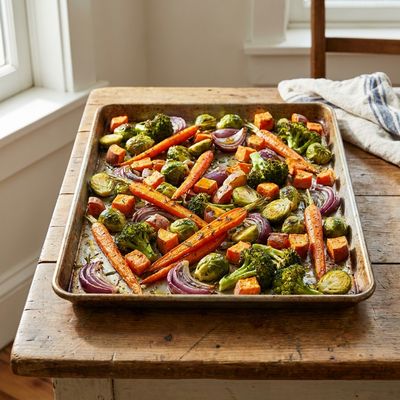
How to Roast Any Vegetable: Temperature, Oil, and Timing
Roasting is the single best way to transform humble vegetables into caramelized, flavor-packed side dishes. This guide breaks down the essential science of heat, fat, and timing to ensure success regardless of what is in your crisper drawer.
Similar Recipes to Try
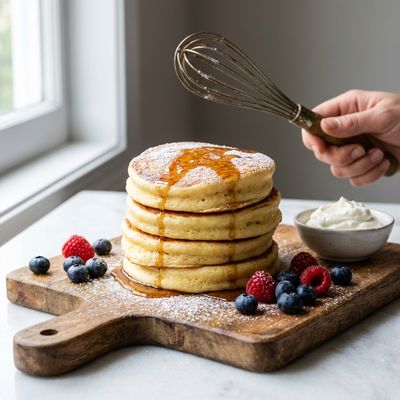
How To Make Pancakes
45 min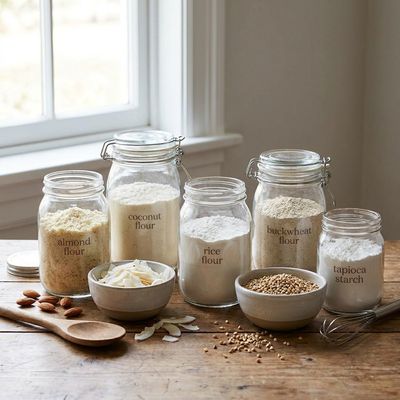
The Best Gluten-Free Flour Substitutes for Every Type of Recipe
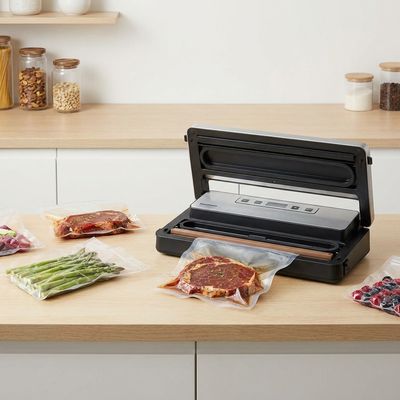
A Guide to Vacuum Sealing Food for Long-Term Storage

A Taste of Brussels: 8 Classic Belgian Dishes to Cook at Home

The Science of the Maillard Reaction: How to Get Perfect Searing and Browning
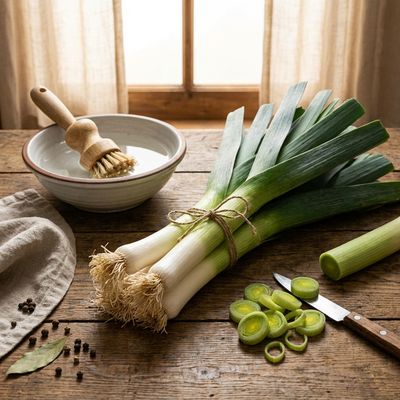
Why You Should Wash Your Leeks and How to Do It Properly
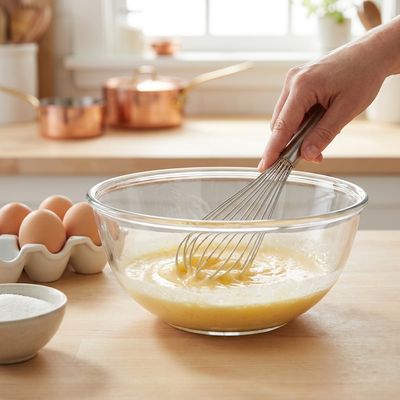
How to Whisk Egg Yolks
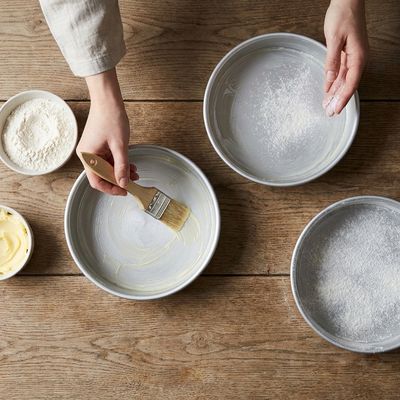
How to Properly Grease and Flour a Cake Pan
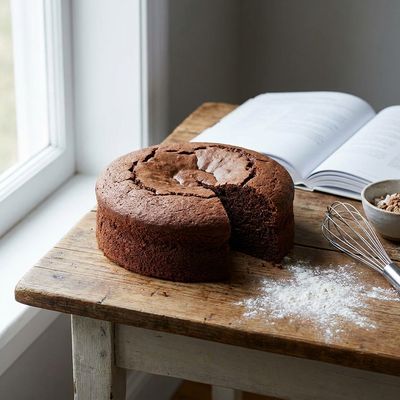
Why Did My Cake Sink in the Middle? Troubleshooting and Fixes

The Best Way to Saute Vegetables Without Making Them Mushy
Comments
(0)Sign in to leave a comment.
You Might Like

Ad Space Available
Be the first to leave a comment.