Recipe Details
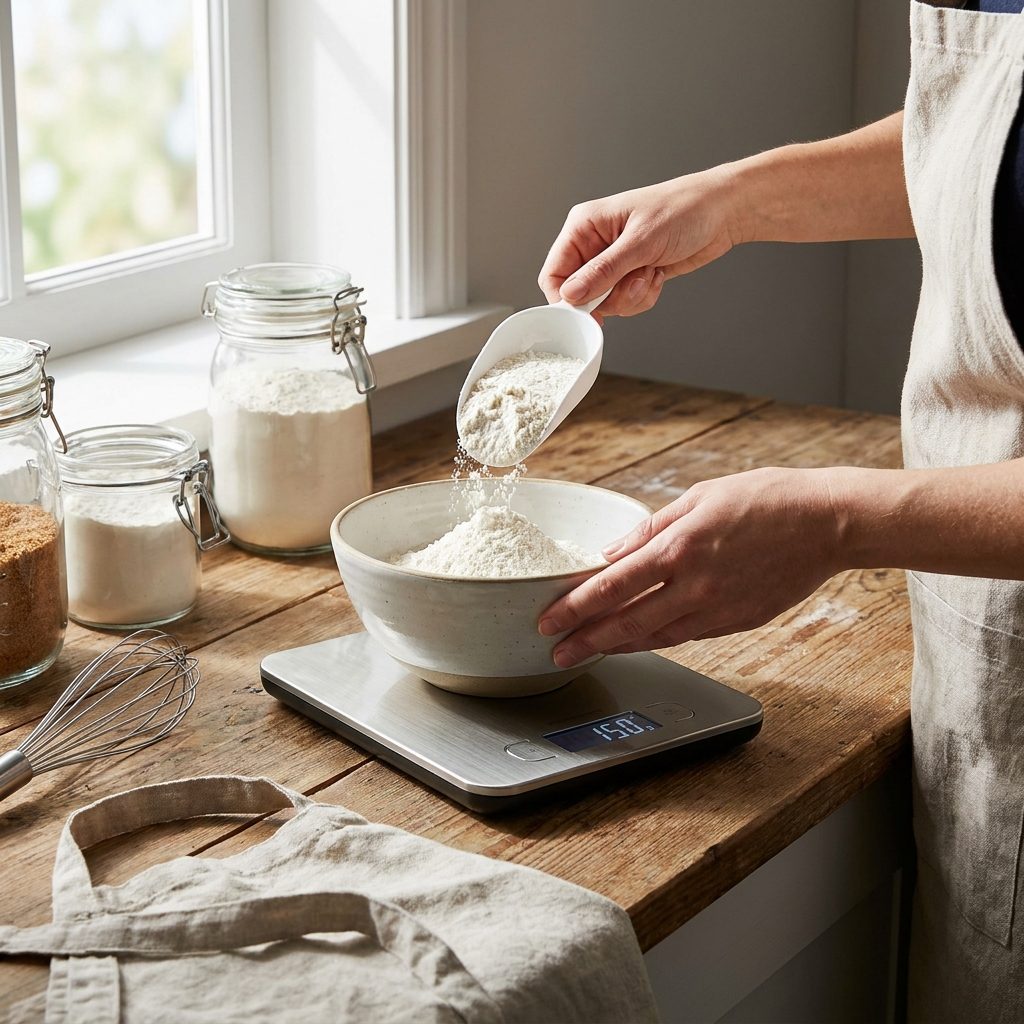
"Baking is a science where precision is the difference between a sunken cake and a masterpiece. This guide explains why traditional measuring cups often lead to failure and how a digital scale provides the accuracy needed for perfect results every time."
Ingredients
| Qty | Item |
|---|---|
| Ingredient list coming soon. | |
How to Make How to Use a Kitchen Scale for More Accurate Baking
The Hidden Failure of Measuring Cups
The most common reason for baking failures—like dry cookies or dense bread—is inaccurate measurement of dry ingredients. Flour is highly compressible; a cup of flour can weigh anywhere from 120 to 160 grams depending on how it was scooped or how long it has sat in the bag. Using a scale eliminates this variables entirely by measuring mass rather than volume.
Setting Up Your Scale
Place your digital scale on a flat, hard surface. Avoid using it on a towel or a silicone mat, as these can absorb some of the weight and cause inaccurate readings. Turn the scale on and ensure it is set to the correct unit of measurement. For most baking recipes, grams (g) are preferred over ounces (oz) because they offer a higher level of precision without decimals.
Mastering the Tare Function
The 'Tare' or 'Zero' button is your most important tool. Place your empty mixing bowl on the scale and press 'Tare' to reset the display to zero. This subtracts the weight of the bowl. Pour your first ingredient directly into the bowl until you reach the desired weight. Press 'Tare' again to reset to zero before adding the next ingredient. This allows you to build an entire recipe in one bowl, reducing cleanup and error.
Troubleshooting Common Scale Issues
If your scale is giving erratic readings, first check the batteries; low power is the primary cause of 'drifting' numbers. Ensure there are no air drafts from nearby windows or cooling fans, as sensitive scales can actually weigh the air movement. If the scale displays an error, make sure you haven't exceeded its maximum weight capacity by using a heavy ceramic or glass bowl.
Tips for Best Results
-
·
<html><ul><li>Always measure in grams for the highest level of accuracy in pastry and bread recipes.</li><li>Check your scale's calibration occasionally by weighing a standard nickel, which weighs exactly 5 grams.</li><li>Avoid weighing ingredients while your mixer is running on the same countertop, as vibrations can disrupt the sensor.</li><li>Keep a conversion chart handy for older recipes that only list cups and tablespoons.</li></ul></html>
Frequently Asked Questions
Why does my scale show a different weight every time I move it?
Can I measure liquids like milk and water on a scale?
What should I do if my recipe only lists volume measurements?
Does the temperature of the room affect the scale?
What to Cook Next
The Science of Thickening: How Starch Gelatinization Works in Gravies and Sauces
How to Soften Butter Quickly Without Melting It
The Ultimate Guide to Choosing the Right Kitchen Knife Set
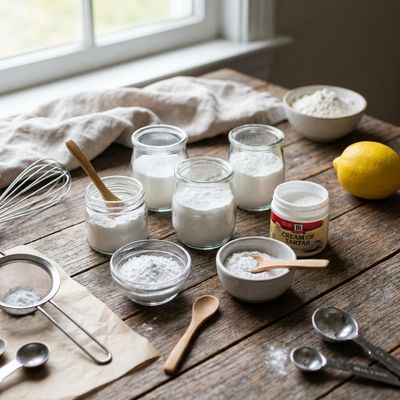
Emergency Baking Swaps: What to Use When You Are Out of Baking Powder or Soda
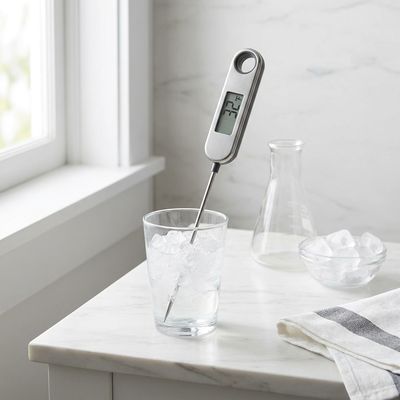
How to Calibrate an Instant-Read Meat Thermometer
Next Recipe
The Science of Thickening: How Starch Gelatinization Works in Gravies and Sauces
Delve into the molecular world of cooking to understand how heat and liquid transform tiny starch granules into the smooth, velvety textures we love in gravies and sauces. This guide explains the step-by-step process of starch gelatinization and why it is the foundation of sauce-making.
Similar Recipes to Try
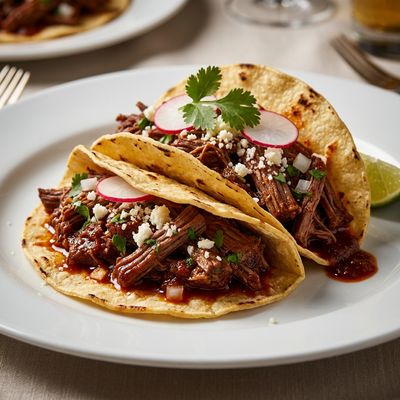
Slow Cooker Mexican Shredded Beef Tacos
495 min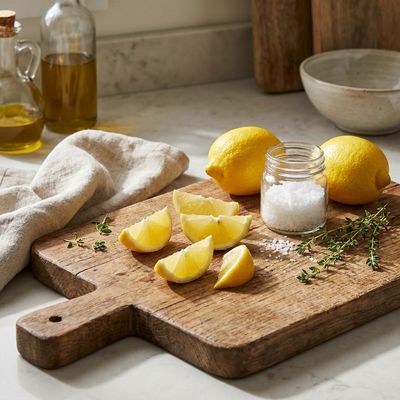
Lemon Wedges: Uses, Substitutes, and How to Store It
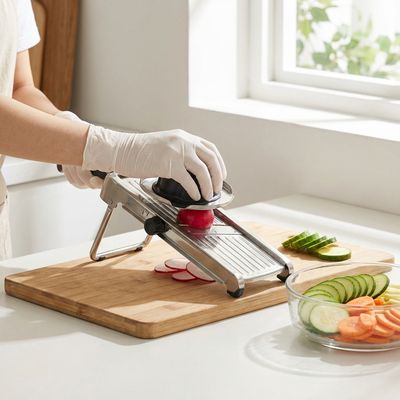
The Beginner's Guide to Using a Mandoline Slicer Safely
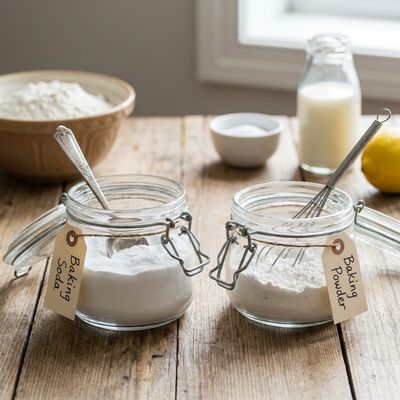
Baking Soda vs. Baking Powder: A Guide to How Leavening Agents Work
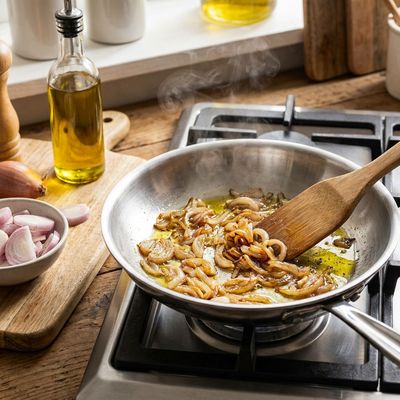
How to Saute Shallots
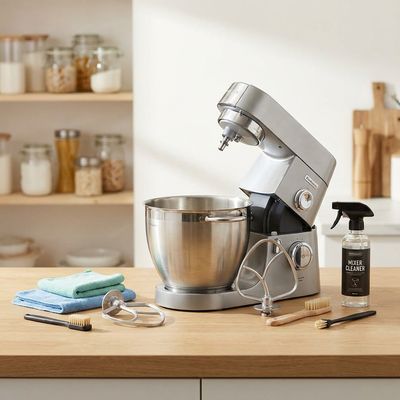
A Guide to Deep Cleaning Your Stand Mixer
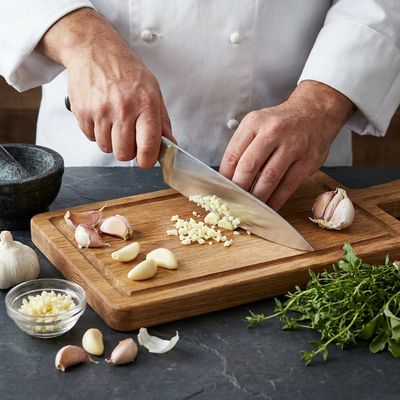
How to Mince Garlic
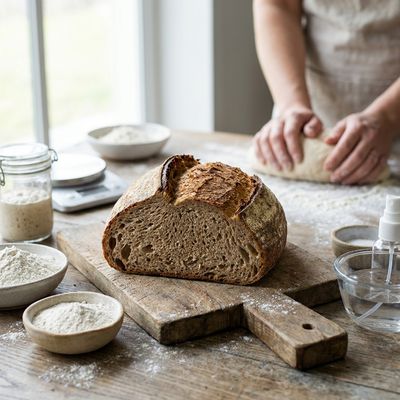
Why is My Bread Dense? 5 Common Troubleshooting Tips
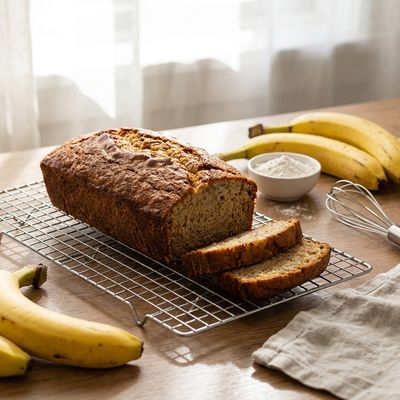
How To Make Banana Bread
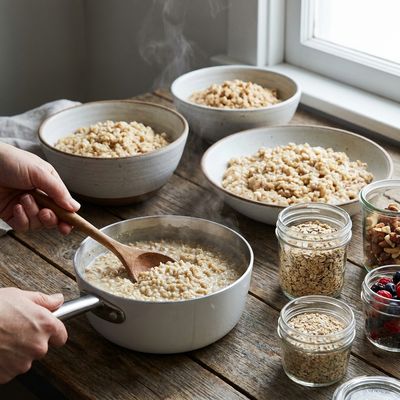
How To Make Oatmeal
Comments
(0)Sign in to leave a comment.
You Might Like

Ad Space Available
Be the first to leave a comment.