Recipe Details
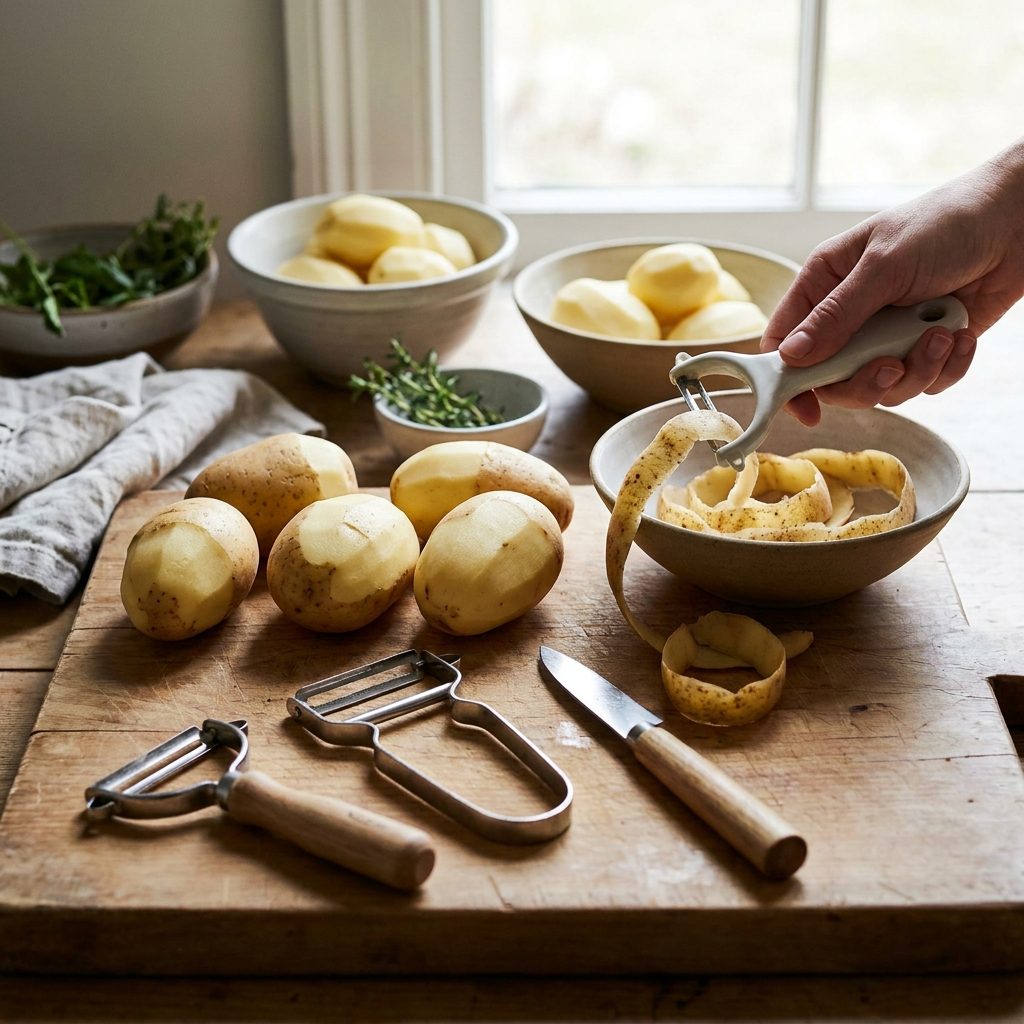
"Peeling potatoes is a fundamental culinary skill that serves as the starting point for countless classic dishes. This guide covers the most efficient methods to remove potato skins while minimizing waste and ensuring safety in the kitchen."
Ingredients
| Qty | Item |
|---|---|
| Ingredient list coming soon. | |
How to Make How to Peel Potatoes
Step 1: Select and Clean Your Potatoes
Before you begin peeling, it is essential to wash your potatoes under cold running water. Use a vegetable brush to scrub away any stubborn dirt or grit. This prevents bacteria or soil from being transferred from the skin to the flesh during the peeling process. Pat the potatoes dry with a clean kitchen towel to ensure a firm grip. For best results, choose potatoes that are firm and free of soft spots or green patches—green indicates solanine, a bitter toxin that should be cut out entirely. If you are peeling a large batch, say 2 kg (4.4 lbs) for mashed potatoes, wash them in batches to avoid overcrowding the sink. The water should run clear before you stop scrubbing; if it remains murky, continue rinsing. Dry each potato thoroughly—a wet potato can slip from your hand, leading to uneven peels or accidental cuts.
Step 2: Choose Your Peeling Tool
Most home cooks prefer a swivel peeler or a Y-peeler. A swivel peeler is excellent for long, narrow potatoes like russets, as its straight blade glides along the length. A Y-peeler offers more leverage for rounder, larger varieties like Yukon Golds, thanks to its horizontal blade that can pivot over curves. If you do not have a peeler, a sharp paring knife can be used, though it requires more precision to avoid removing too much of the potato's flesh—aim for a 2 mm (1/16 inch) thick strip. Test your tool’s sharpness on a single potato: if it tears the skin rather than slicing it cleanly, sharpen or replace it. A dull peeler increases the risk of gouging the flesh, wasting up to 10% of the potato. For safety, always peel away from your body, and keep your thumb tucked behind the potato to avoid nicking it.
Step 3: The Peeling Technique
Hold the potato firmly in one hand and the peeler in the dominant hand. Starting from the top of the potato, glide the peeler down the length of the vegetable in a steady, fluid motion away from your body. Rotate the potato slightly after each stroke until all the skin is removed. For the ends, use the tip of the peeler or the blade to shave off the remaining small patches of skin. Apply gentle, even pressure—about the force you’d use to butter a slice of bread—to remove only the thin outer layer (1-2 mm thick). You should see a clean, pale surface without deep gouges; if you hit a soft spot, the potato may be rotting inside. For a 200 g (7 oz) potato, expect 5-7 strokes to cover it fully. If the skin sticks or tears, your peeler angle is too steep; adjust to a 30-degree angle relative to the potato’s surface. For irregular shapes, like knobby fingerlings, use short, sawing motions rather than long sweeps to avoid wasting flesh.
Step 4: Remove 'Eyes' and Blemishes
Once the bulk of the skin is gone, check the potato for 'eyes' (the small indentations where sprouts form) or dark spots. Use the pointed tip found on the side of most vegetable peelers to scoop these out. If using a knife, use the tip of the blade to carefully carve out the blemish. Dig no deeper than 5 mm (1/4 inch) into the flesh—eyes are shallow, and over-cutting creates holes that trap water during boiling. For a cluster of eyes, as often seen on russets, make a V-shaped cut around them with the peeler tip. If you encounter a green patch, cut it out entirely, plus 1 cm (1/2 inch) of surrounding flesh, as the bitterness spreads. After removing all blemishes, run your finger over the potato’s surface; it should feel smooth, with no rough patches or pits. Discard any potato with more than three deep eyes or extensive greening—it’s not worth salvaging.
Step 5: Immediate Storage
Potatoes begin to oxidize and turn brown or gray as soon as their flesh is exposed to air. To prevent this, immediately place your peeled potatoes into a bowl of cold water. This keeps them fresh and crisp until you are ready to chop and cook them. Use enough water to fully submerge the potatoes—about 1 liter (4 cups) per 500 g (1.1 lbs) of potatoes. Add 1 tablespoon of lemon juice or 1 teaspoon of white vinegar per liter of water to slow oxidation further; the acid lowers the pH, delaying enzymatic browning by up to 2 hours. If you see bubbles forming on the surface, the water is too warm—use ice water instead to keep the potatoes firm. Store the bowl in the refrigerator if you’re not cooking within 30 minutes; chilled water extends freshness for up to 4 hours. Do not leave them soaking overnight, as they will absorb water and become waterlogged, leading to a gluey texture when boiled. When ready to cook, drain and pat dry with a towel to remove excess moisture, which prevents oil splatter during frying or roasting.
Tips for Best Results
-
·
<html><ul><li>Always peel away from your body to prevent accidental cuts or nicks.</li><li>Keep your peeler blades sharp; a dull blade is more likely to slip and cause injury.</li><li>Save your potato skins! You can toss them with oil and salt and bake them until crispy for a delicious snack.</li><li>If peeling a large batch, keep a 'waste' bowl on the counter to easily collect skins for composting.</li><li>Use a Y-peeler for better ergonomic support if you have a lot of potatoes to process.</li></ul></html>
Frequently Asked Questions
Should I peel potatoes before or after boiling?
How do I keep peeled potatoes from turning brown?
Can I peel potatoes the night before?
Is it necessary to remove the green parts of a potato skin?
What to Cook Next

Next Recipe
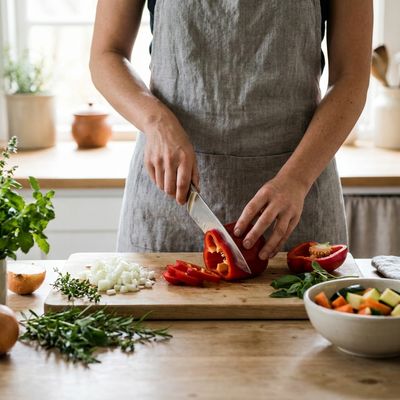
The Ultimate Guide to Essential Knife Skills for Beginners
Mastering knife skills is the single most important step in becoming a faster, safer, and more confident cook. This guide covers everything from the proper grip to perfecting uniform cuts that ensure even cooking.
Similar Recipes to Try
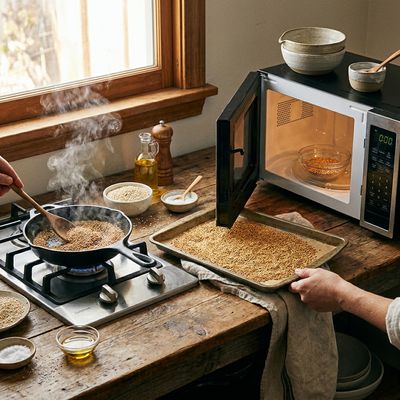
How to Toast Sesame Seeds
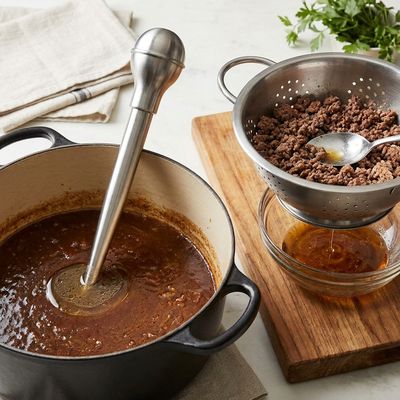
How to Drain Excess Fat

Crispy Smashed Potatoes with Rosemary and Sea Salt
60 min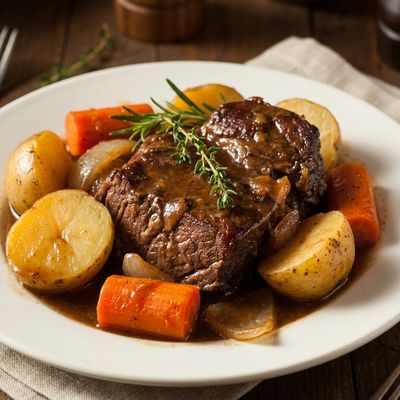
Slow Cooker Pot Roast with Carrots and Potatoes
500 min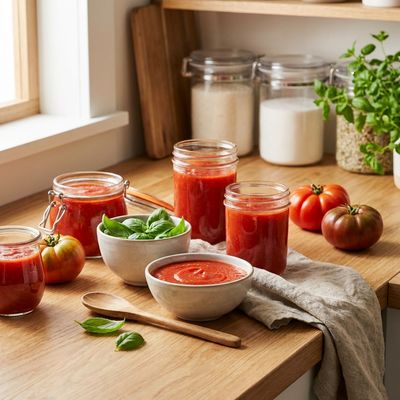
Tomato Puree: Uses, Substitutes, and How to Store It
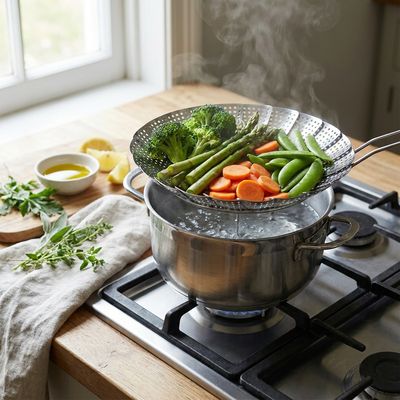
How To Steam Vegetables
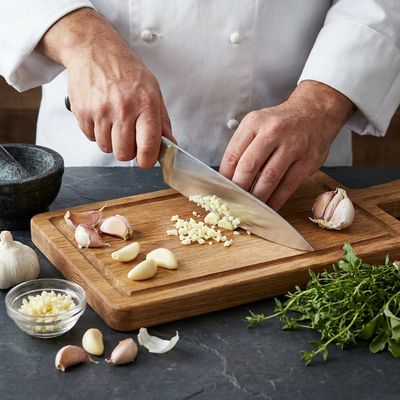
How to Mince Garlic

A Taste of Brussels: 8 Classic Belgian Dishes to Cook at Home

Stoemp Belgian Mashed Potatoes with Vegetables
40 min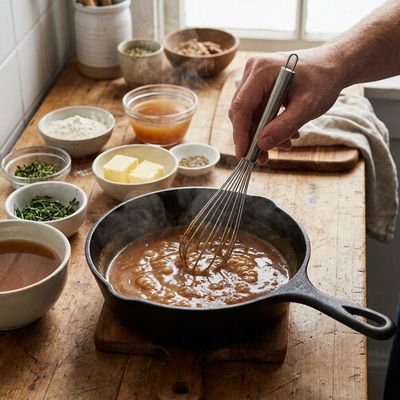
How To Make Gravy
Comments
(0)Sign in to leave a comment.
You Might Like
Ad Space Available
Be the first to leave a comment.