Recipe Details
"Measuring flour incorrectly is the single most common cause of baking failure. This guide explains why traditional scooping leads to dry, dense results and how to fix your technique using simple kitchen tools."
Ingredients
| Qty | Item |
|---|---|
| Ingredient list coming soon. | |
How to Make How to Measure Flour Correctly for Perfect Baking Results
The Problem: The Compressed Flour Trap
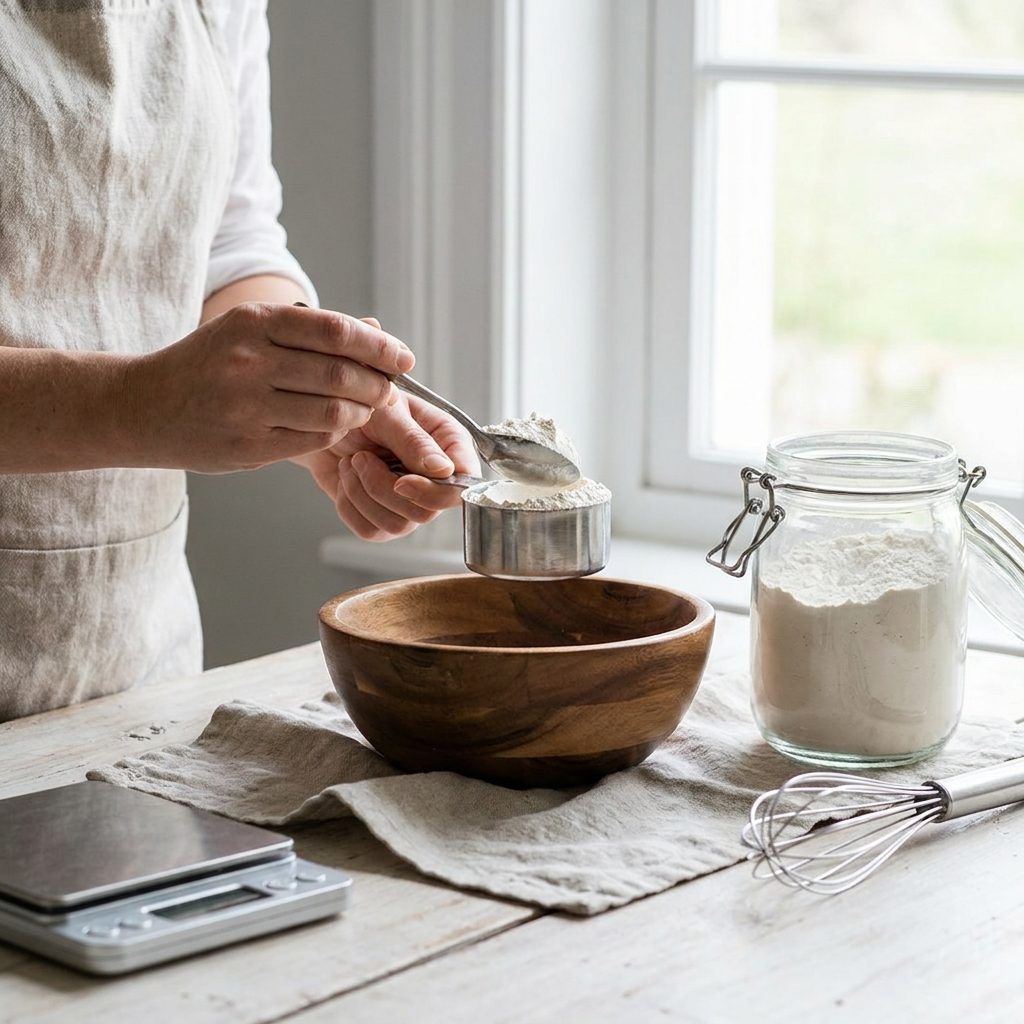
Flour is highly compressible. When you dip a measuring cup directly into the bag, you are effectively packing the flour down. This 'scoop' method can result in up to 25% more flour than a recipe intends, leading to cookies that don't spread and cakes that are unpleasantly dry and dense.
The Solution: The Spoon-and-Level Method
If you are using volume measurements, the 'spoon-and-level' technique is the only way to ensure accuracy. First, use a spoon to fluff the flour in its container or bag. Gently spoon the floured into your dry measuring cup until it heaps over the top. Finally, take the flat back of a knife and sweep it across the rim of the cup to level it off. Never tap the side of the cup or shake it down, as this will settle the flour and ruin the measurement.
The Professional Fix: Weighing Your Ingredients
The most reliable way to troubleshoot inconsistent baking is to switch from volume (cups) to mass (grams). A digital kitchen scale eliminates the variables of humidity and packing. Most professional bakers define one cup of all-purpose flour as 120 to 125 grams. By placing your bowl on a scale and taring it to zero, you can pour the exact amount needed without the mess of multiple measuring cups.
Identifying Sifted Flour Requirements
Pay close attention to the wording in your recipe. '1 cup flour, sifted' means you should measure the flour first and then sift it. However, '1 cup sifted flour' means you must sift a pile of flour first and then gently measure it. Because sifting aerates the flour, these two instructions result in significantly different amounts of ingredient.
Tips for Best Results
-
·
<html><ul><li>Always use 'dry' measuring cups (the ones you can level off) rather than glass liquid measuring pitchers.</li><li>Store your flour in an airtight container to prevent it from absorbing moisture, which changes its weight.</li><li>If your dough feels too sticky even after correct measuring, remember that humidity can affect flour; add only one tablespoon of extra flour at a time.</li><li>Never pack flour into the cup like you would with brown sugar unless the recipe specifically says 'packed'.</li></ul></html>
Frequently Asked Questions
Why does my recipe call for cups instead of grams?
Can I use a coffee mug to measure flour?
Is it okay to tap the measuring cup to level the flour?
What is the weight of one cup of bread flour vs all-purpose?
What to Cook Next
Next Recipe
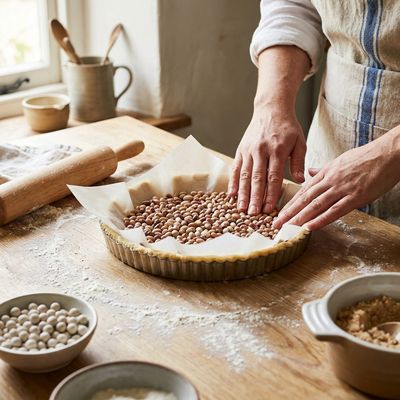
The Ultimate Guide to Blind Baking Pie Crust
Blind baking is the essential technique for achieving a crisp, golden crust in pies with liquid or no-bake fillings. This guide identifies why common crust failures happen and provides professional solutions to ensure your pastry stays perfectly shaped and flaky.
Similar Recipes to Try
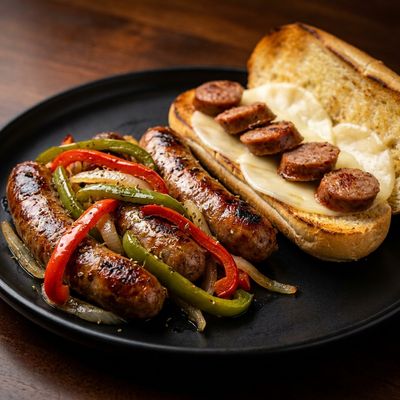
Sheet Pan Sausage and Pepper Hoagies
40 min
Mediterranean Baked Cod with Cherry Tomatoes and Olives
35 min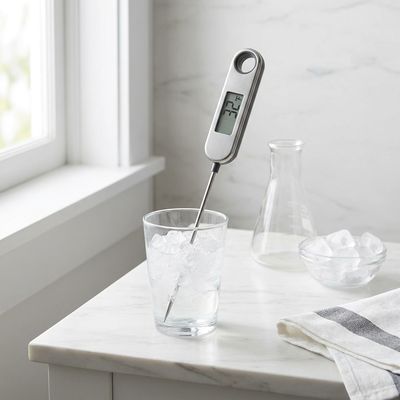
How to Calibrate an Instant-Read Meat Thermometer

Why Do Sauces Break? A Guide to Mastering Emulsification in the Kitchen
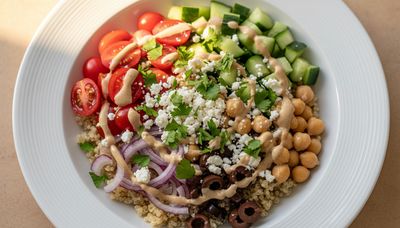
Mediterranean Quinoa Bowl
30 min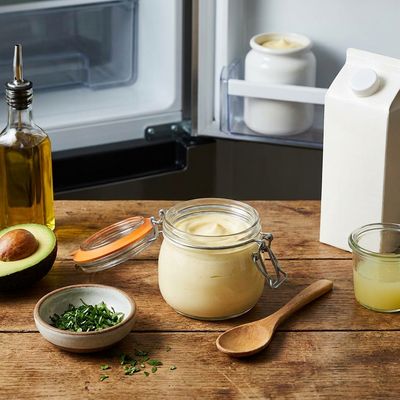
Mayonnaise: Uses, Substitutes, and How to Store It
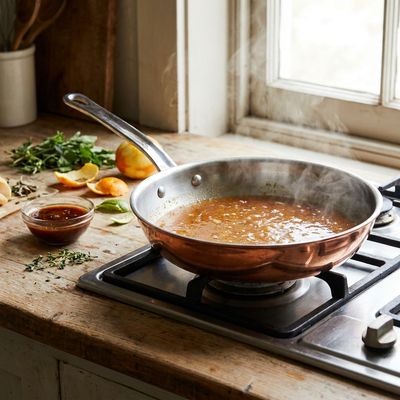
A Complete Guide to Reducing Liquids for Intense Flavor
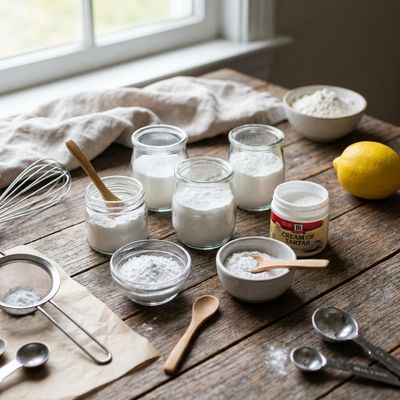
Emergency Baking Swaps: What to Use When You Are Out of Baking Powder or Soda
How to Slice Mushrooms
How to Roast Any Vegetable: Temperature, Oil, and Timing
Comments
(0)Sign in to leave a comment.
You Might Like
Ad Space Available
Be the first to leave a comment.