Recipe Details
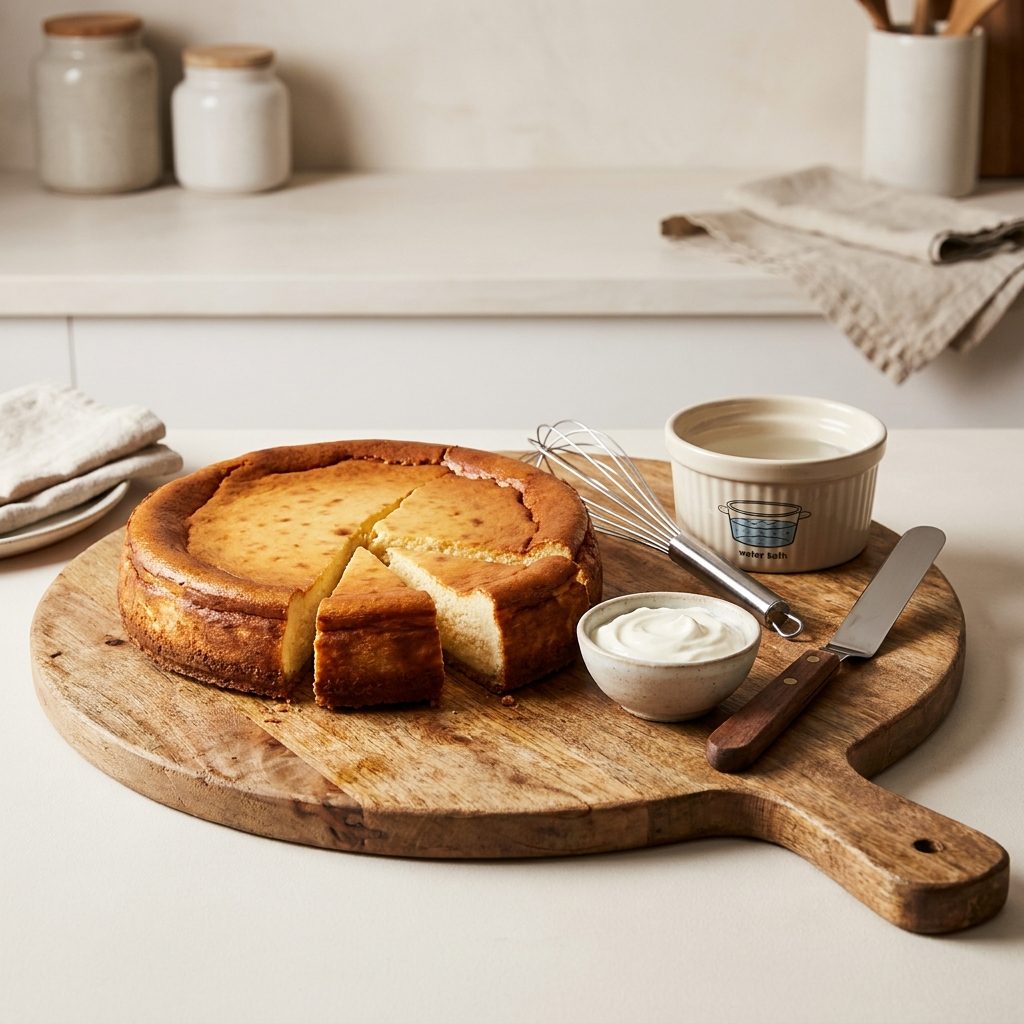
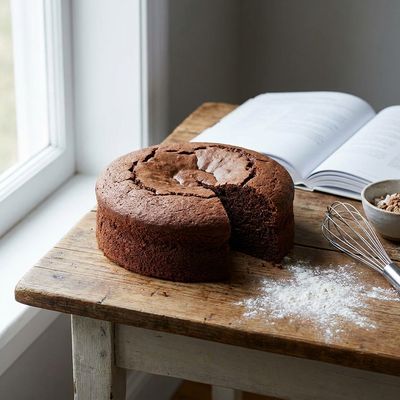
"A cracked cheesecake is a common frustration for bakers, but it is usually the result of simple environmental factors. Understanding the science of heat and moisture will help you achieve a smooth, professional-grade surface every time you bake."
Ingredients
| Qty | Item |
|---|---|
| Ingredient list coming soon. | |
How to Make Why Did My Cheesecake Crack? Prevention and Fixes
1. Temperature Shocks and Over-Baking
The most common cause of cracking is a sudden change in temperature or over-cooking the proteins in the eggs. When a cheesecake gets too hot, the egg proteins tighten and pull the cake apart. Similarly, if a hot cheesecake is moved immediately to a cold fridge, the rapid contraction causes the surface to split. Always aim for a final internal temperature of 145°F to 150°F (63°C-66°C).
2. Incorporating Too Much Air
When you beat cheesecake batter at high speeds, you incorporate air bubbles. While air is good for sponge cakes, it is the enemy of a dense cheesecake. As the cake bakes, those air bubbles rise and expand; when the cake cools, the air escapes and the structure collapses, leading to deep fissures. Always mix on low speed and stop as soon as the ingredients are combined.
3. The Importance of Room Temperature Ingredients
Using cold cream cheese or eggs leads to a lumpy batter. To get rid of those lumps, most bakers over-mix the batter, which—as mentioned above—introduces too much air. Ensure your cream cheese, eggs, and sour cream are at room temperature for at least two hours before mixing to ensure a silky smooth consistency with minimal effort.
4. Using a Water Bath (Bain-Marie)
A water bath provides a buffer against the intense, dry heat of the oven. The steam created by the hot water keeps the oven environment moist, which prevents the surface of the cheesecake from drying out and becoming brittle. Wrap your springform pan in several layers of heavy-duty aluminum foil to prevent leaks, and place it in a larger roasting pan filled halfway with hot water.
5. How to Fix a Cracked Cheesecake
If your cake still cracks, don't despair. If the crack is small, you can use a warm metal spatula or a spoon to gently 'bridge' the gap once the cake has reached room temperature. For larger cracks, the best solution is a decorative 'mask.' A thin layer of sour cream sweetened with sugar, a vibrant fruit compote, or a layer of chocolate ganache will hide the imperfections and add an extra dimension of flavor.
Tips for Best Results
-
·
<html><ul><li>Grease the sides of the springform pan well; as the cake cools and shrinks, it needs to pull away from the sides rather than sticking and tearing.</li><li>Turn off the oven when the cake is still slightly jiggly in the center and crack the door open for one hour before removing it.</li><li>Avoid opening the oven door during the first 45 minutes of baking to maintain a stable temperature.</li><li>Use a digital thermometer to pull the cake at exactly 150°F to prevent the protein bonds from over-tightening.</li></ul></html>
Frequently Asked Questions
Is a cracked cheesecake still safe to eat?
Can I fix a crack after the cheesecake has fully chilled?
What is the 'jiggle test' for doneness?
Does the type of cream cheese matter?
What to Cook Next


Next Recipe
How Smoke Points Affect Your Cooking: A Guide to Choosing the Right Oil
Choosing the right fat is about more than just flavor; it is a matter of chemistry. This guide explains the science of smoke points to help you achieve better textures and safer results in your kitchen.
Similar Recipes to Try
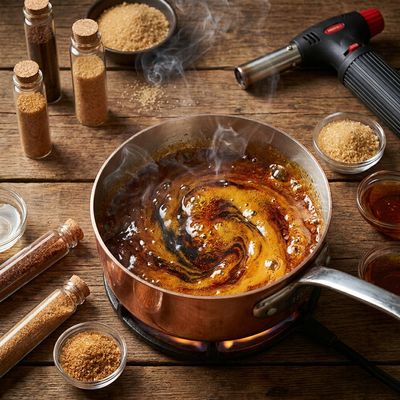
How Caramelization Works: The Science of Cooking Sugar for Flavor and Color

How to Deglaze a Pan to Make Professional Pan Sauces
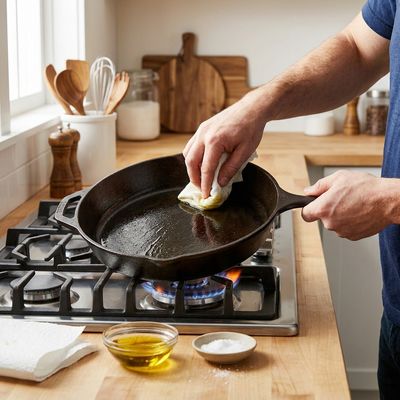
How to Season a Cast Iron Skillet for a Non-Stick Finish
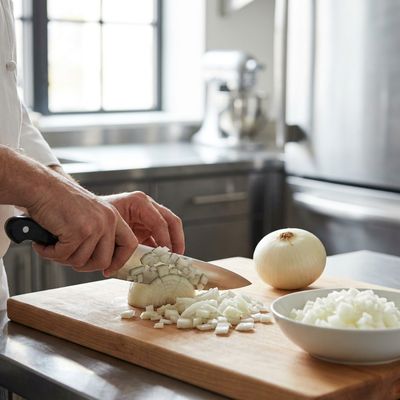
How to Dice Onions
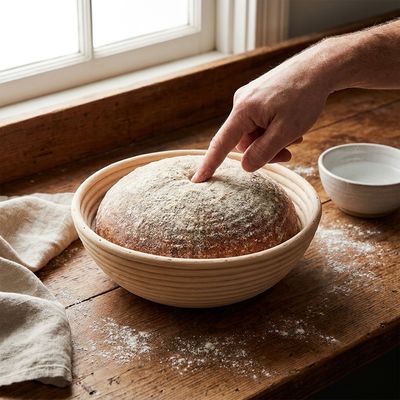
How to Tell if Your Bread Dough Has Proofed Enough
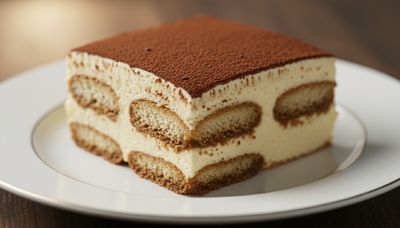
Classic Tiramisu
40 min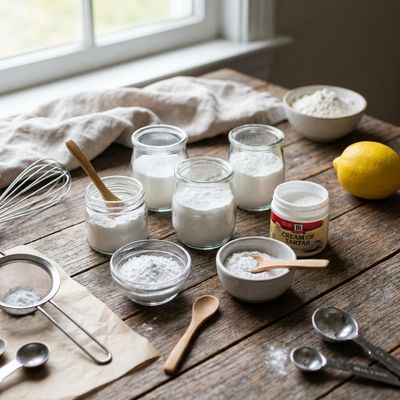
Emergency Baking Swaps: What to Use When You Are Out of Baking Powder or Soda
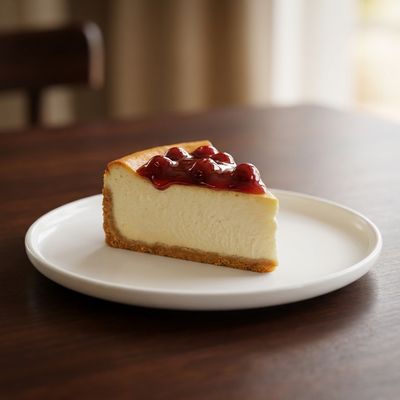
New York Cheesecake
120 min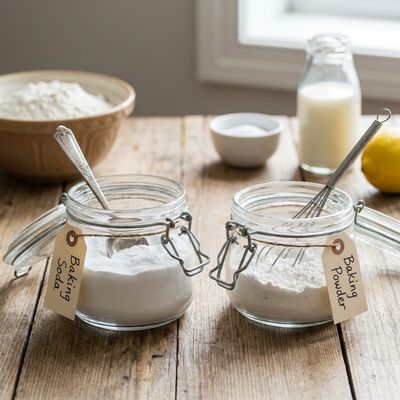
Baking Soda vs. Baking Powder: A Guide to How Leavening Agents Work

How To Grill Steak
Comments
(0)Sign in to leave a comment.
You Might Like

Ad Space Available
Be the first to leave a comment.