Recipe Details
"Proofing is the critical final rise where yeast ferments and creates the internal structure of your bread. Mastering the timing is the difference between a dense, heavy loaf and a light, airy crumb."
Ingredients
| Qty | Item |
|---|---|
| Ingredient list coming soon. | |
How to Make How to Tell if Your Bread Dough Has Proofed Enough
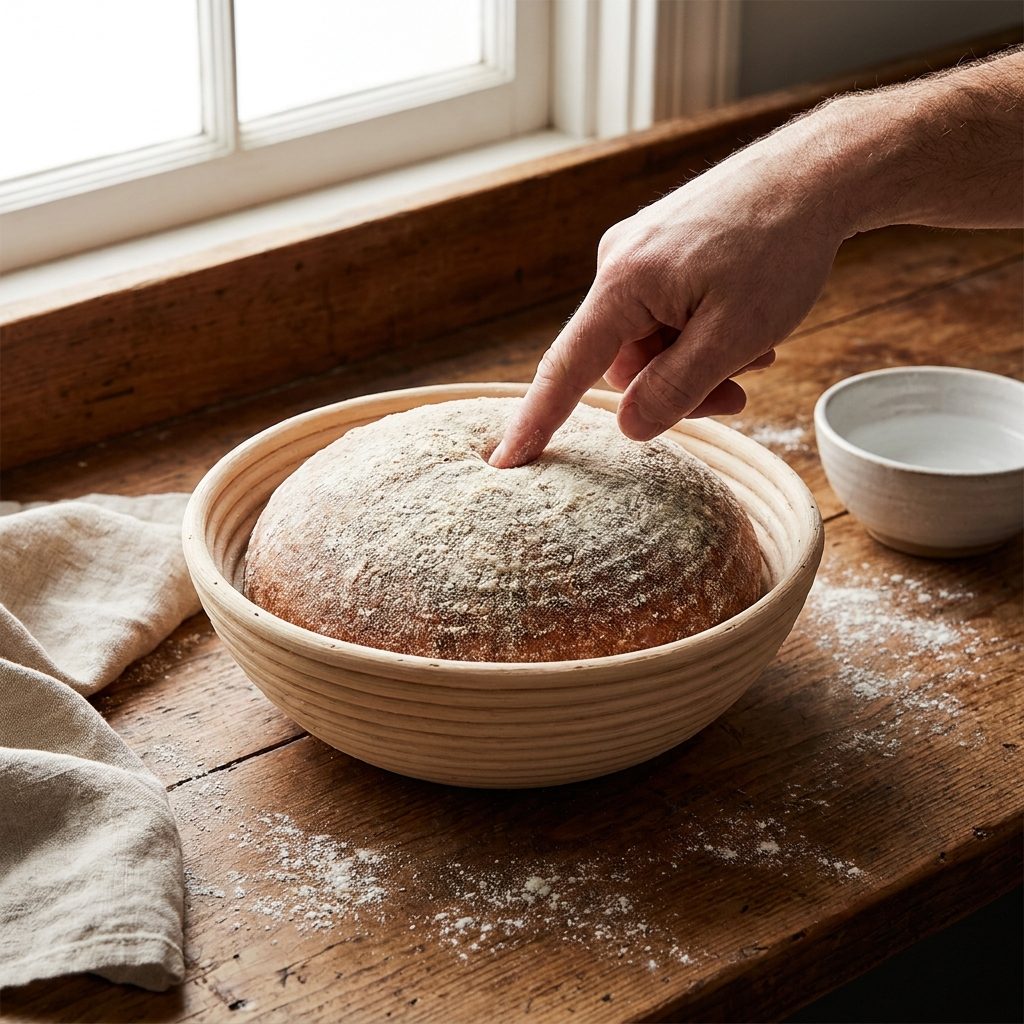
The Poke Test: The Gold Standard
The most reliable way to check proofing is the 'poke test.' Gently press your finger about half an inch into the surface of the dough. If the indentation springs back immediately and completely, it is under-proofed. If the indentation stays exactly where it is and the dough feels fragile or deflates, it is over-proofed. The 'sweet spot' is when the dough springs back slowly and leaves a slight, visible dimple.
Visual Cues and Size Changes
While many recipes suggest waiting for the dough to 'double in size,' this is an approximation. Look for dough that appears pillowy, soft, and full of air. For shaped loaves in tins, the dough should generally reach about one inch above the rim of the pan. If you see large, translucent bubbles on the surface, the dough is likely reaching the limit of its strength and should be baked immediately.
Troubleshooting Under-Proofed Dough
Under-proofed dough is characterized by too much internal tension. If baked too early, the bread often suffers from 'oven spring' that is too violent, leading to side-splitting or a dense bottom layer. To fix this, simply provide more time. If your kitchen is cold, move the dough to a warmer spot like the inside of an oven (turned off) with the light on to gently encourage yeast activity.
Troubleshooting Over-Proofed Dough
Over-proofing occurs when the yeast has consumed most of its food and the gluten structure begins to weaken under the weight of the CO2. This often results in a loaf that collapses in the oven. If you realize your dough is over-proofed before baking, do not despair. You can gently degas the dough, reshape it, and let it proof again. However, this second proof will likely be faster and the final flavor may be more acidic due to prolonged fermentation.
Tips for Best Results
-
·
<html><ul><li>Temperature is the biggest variable; dough proofs much faster at 80°F than at 65°F.</li><li>Use a clear, straight-sided container for the first rise to track volume increase accurately.</li><li>Always flour your finger before performing the poke test to prevent sticking and false readings.</li><li>Humidity matters—keep your dough covered with a damp cloth or plastic wrap to prevent a dry skin from forming.</li></ul></html>
Frequently Asked Questions
Why did my bread deflate when I scored it?
Can I proof my dough in the refrigerator?
How long does the final proof usually take?
What happens if I bake under-proofed dough?
What to Cook Next


Next Recipe
How to Tell if Fish is Fresh: A Seafood Buying Guide
Selecting high-quality seafood is an essential skill for any home cook, impacting both the flavor and safety of your meal. This guide covers everything from sensory checks to proper storage, ensuring your next seafood dish is professional-grade.
Similar Recipes to Try

Paneer Bhurji with Onions and Tomatoes
25 min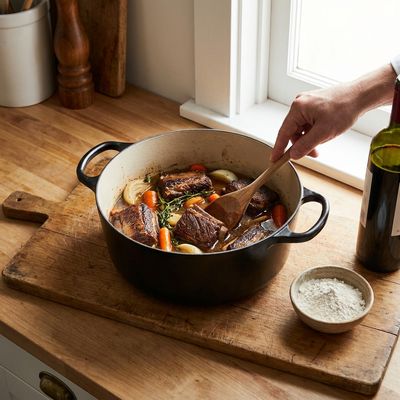
A Beginner's Guide to Braising: How to Make Tough Cuts Tender
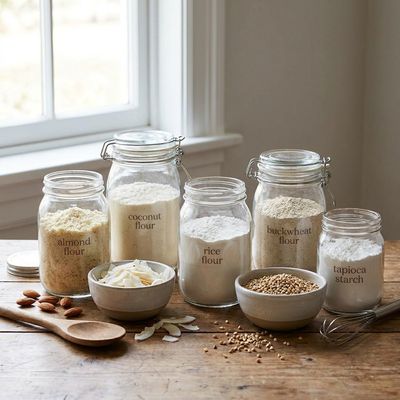
The Best Gluten-Free Flour Substitutes for Every Type of Recipe
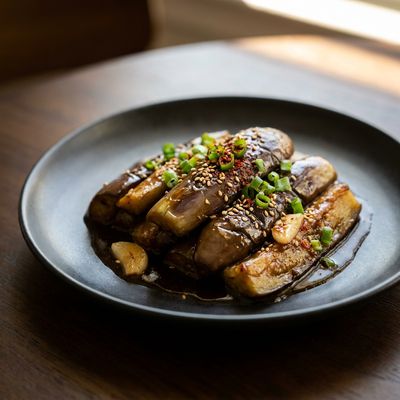
Gaji Namul Seasoned Aubergine
15 min
Homemade Pasta Dough
25 min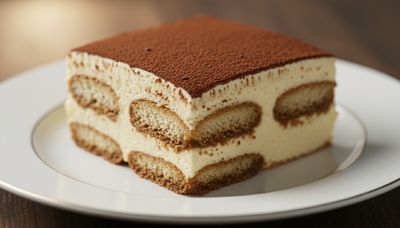
Classic Tiramisu
40 min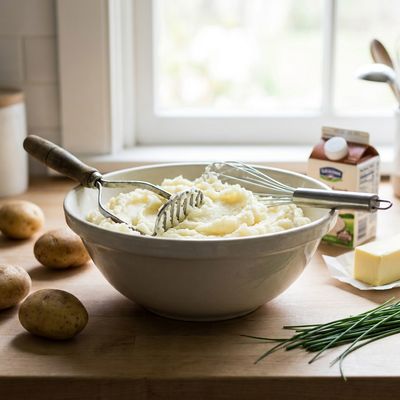
How to Mash Potatoes
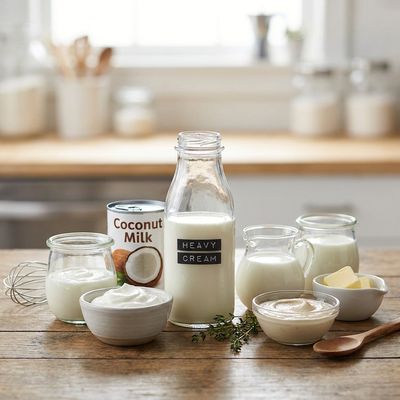
Best Heavy Cream Substitutes for Sauces, Soups, and Baking
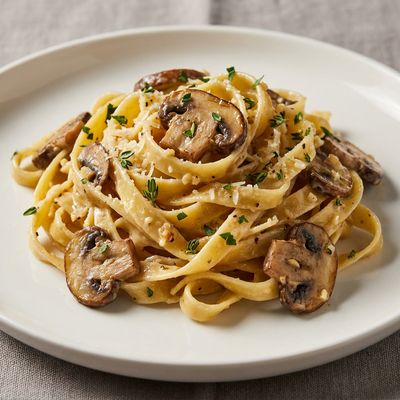
One-Pot Creamy Garlic Mushroom Pasta
30 min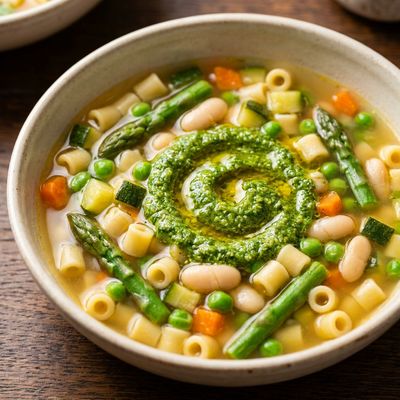
Spring Vegetable Minestrone with Basil Pesto
45 minComments
(0)Sign in to leave a comment.
You Might Like
Ad Space Available
Be the first to leave a comment.