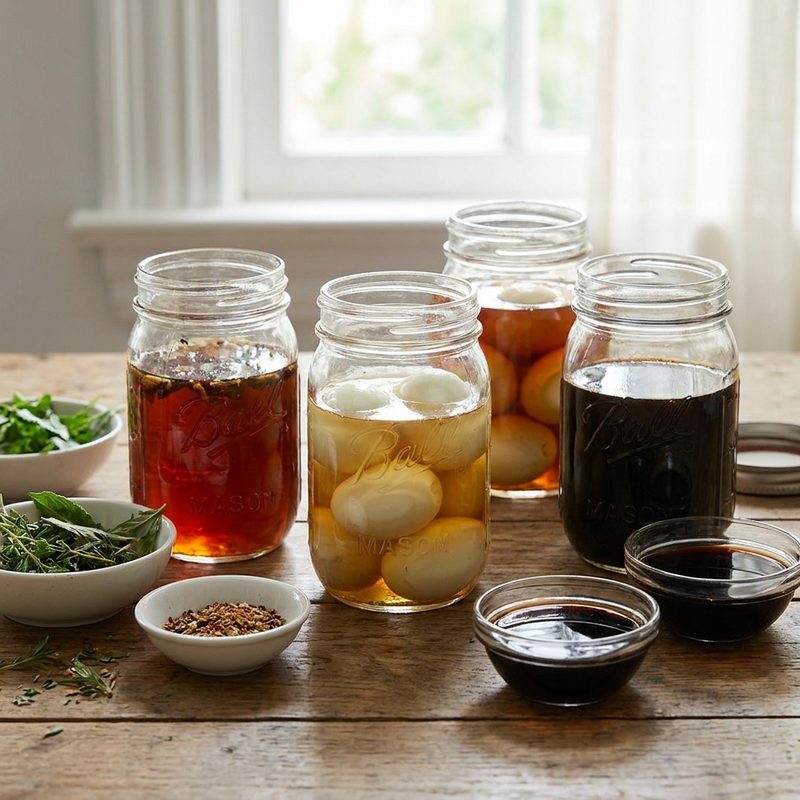
Step 1: The Perfect Soft-Boil
To achieve the signature jammy center, bring a pot of water to a rolling boil. The water should be at least 3 inches deep to allow the eggs to move freely. Carefully lower room-temperature eggs into the water using a slotted spoon, lowering them one at a time to avoid cracking. Reduce heat to a simmer (small, steady bubbles, not a violent boil) and cook for exactly six minutes and thirty seconds. This timing ensures the whites are set while the yolk remains liquid gold. For large eggs, 6:30 is ideal; extra-large eggs need 7:00, and jumbo eggs need 7:30. If the eggs are straight from the fridge, add 15 seconds to the timing. You should see the whites firm up around the 4-minute mark; if any white leaks from a crack, remove that egg immediately and discard. When the timer goes off, the yolk should still jiggle slightly if you gently shake the pot.
Step 2: The Shock and Peel
Immediately transfer the eggs to an ice bath (equal parts ice and cold water, enough to fully submerge the eggs) for at least 10 minutes. This stops the cooking process and creates a steam gap between the membrane and the shell. If you skip the ice bath, the yolk will continue to cook and become hard. After 10 minutes, gently crack the shell all over by tapping the egg on a hard surface, rolling it between your palms to create a fine web of cracks. Peel under cold running water or submerged in the ice bath to keep the whites smooth and intact. Start peeling at the wider end where the air pocket is; the membrane there is loosest. If the shell sticks, it means the egg was too fresh (less than 5 days old) or the ice bath was too short. In that case, peel under a thin stream of running water to help flush away stubborn fragments. The finished egg should feel smooth and bouncy, with no dimples or torn whites.
Step 3: Crafting the Infusion Brine
The classic marinade consists of four parts: soy sauce for salt and color, mirin for sweetness and shine, water or dashi to dilute, and aromatics. In a small saucepan, combine 1/2 cup soy sauce (use usukuchi for a lighter color or koikuchi for deeper amber), 1/2 cup mirin (or substitute 1/2 cup sake plus 2 tablespoons sugar), 1 cup water (or cold dashi for umami), a crushed garlic clove, and a slice of ginger (about 1/4 inch thick, peeled). Simmer over medium heat for 3 minutes, stirring occasionally, until the sugar dissolves and the aromatics release fragrance. Do not boil vigorously or the mirin's alcohol will evaporate too quickly, making the brine harsh. Remove from heat and allow the mixture to cool completely to room temperature (about 20 minutes). If you add hot brine to the eggs, the yolks will cook further and become chalky. For a spicy variation, add 1/2 teaspoon red pepper flakes or a small dried chile. For a smoky note, add 1 teaspoon toasted sesame oil after cooling.
Step 4: The Marination Process
Place the peeled eggs in a narrow container (a 4-cup glass measuring cup works well) or a zip-top bag to ensure they are fully submerged in the cooled brine. If using a bag, squeeze out as much air as possible before sealing. To avoid a white spot where the egg floats, place a paper towel directly on the surface of the liquid to wick the marinade over the top of the eggs. Alternatively, use a small plate or a second zip-top bag filled with brine to weigh the eggs down. Refrigerate for at least 4 hours, though 12 to 24 hours provides the best balance of flavor and texture. After 4 hours, the yolk will be lightly seasoned at the edges; after 12 hours, the flavor penetrates about 2mm into the white; after 24 hours, the entire white is infused and the yolk begins to take on a darker, richer color. Do not exceed 48 hours, or the soy sauce will start to break down the egg white, making it rubbery and overly salty. If you want to reuse the brine, strain out the aromatics and bring it to a boil before using again; it can be used once more for a second batch, but the flavor will be weaker.
Key Takeaways
- ✓ <html><ul><li>Always use eggs that are a few days old; fresh eggs are significantly harder to peel.</li><li>Do not marinate for longer than 24 hours, as the salt in the soy sauce will begin to cure the yolk, making it tough and overly salty.</li><li>Add a splash of vinegar to the boiling water to help coagulate the whites if a shell happens to crack.</li><li>For a smoky twist, add a drop of liquid smoke or a tablespoon of smoked paprika to the brine.</li></ul></html>