Recipe Details
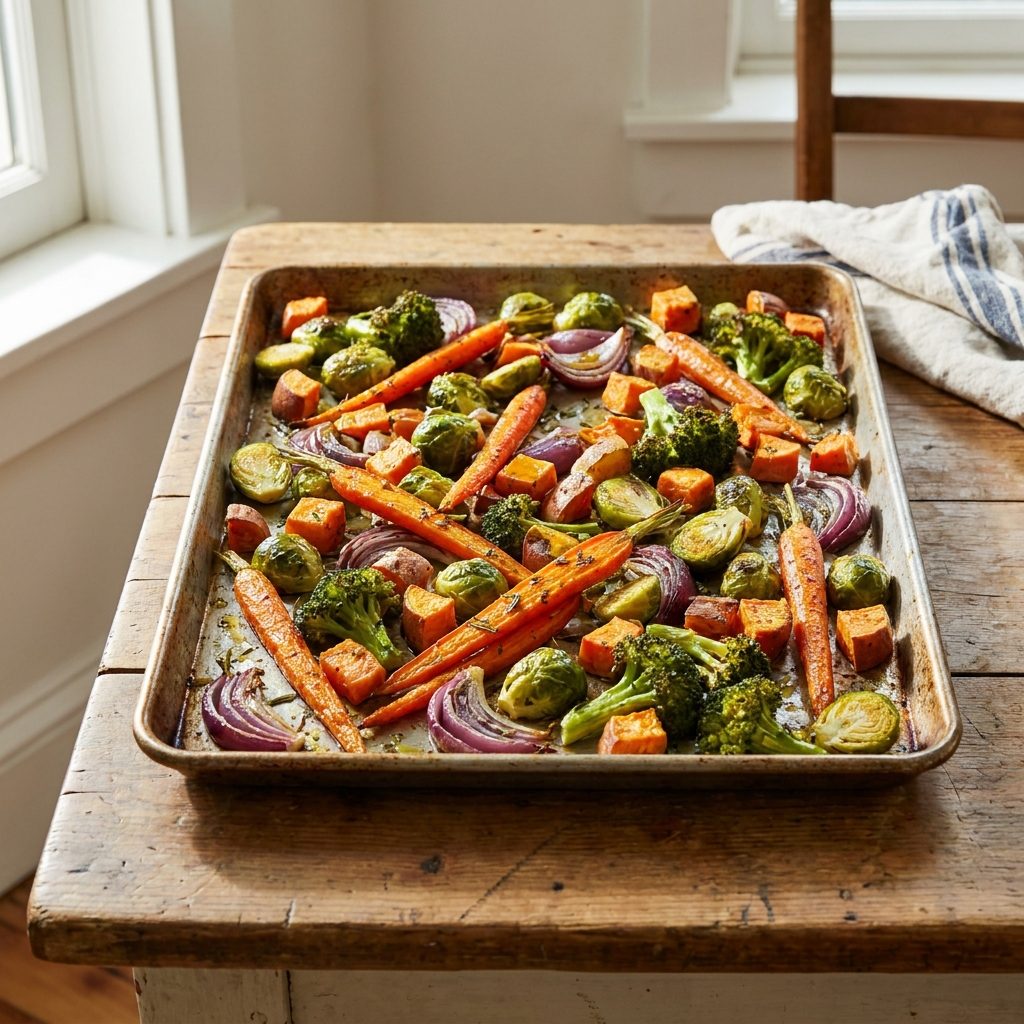
"Roasting is the single best way to transform humble vegetables into caramelized, flavor-packed side dishes. This guide breaks down the essential science of heat, fat, and timing to ensure success regardless of what is in your crisper drawer."
Ingredients
| Qty | Item |
|---|---|
| Ingredient list coming soon. | |
How to Make How to Roast Any Vegetable: Temperature, Oil, and Timing
Step 1: Prep and Cut for Consistency
The key to even roasting is uniformity. Cut denser vegetables like carrots and potatoes into smaller pieces than faster-cooking ones like broccoli or asparagus. Ensure all pieces are thoroughly dried after washing, as surface moisture creates steam, which prevents the crispy browning you desire.
Step 2: Choosing the Right Oil and Seasoning
Fat acts as the heat conductor that browns the vegetable. Use an oil with a high smoke point, such as avocado, grapeseed, or refined olive oil. Toss the vegetables in a large bowl with enough oil to coat every surface lightly—usually 1 to 2 tablespoons per sheet pan. Season generously with kosher salt and black pepper at this stage so the seasoning adheres to the oil.
Step 3: The Golden Temperature Rule
For most vegetables, 400°F to 425°F (200°C to 220°C) is the sweet spot. This range is hot enough to trigger the Maillard reaction (caramelization) before the interior becomes mushy. High heat is essential; anything lower than 375°F will likely result in soft, steamed vegetables rather than roasted ones.
Step 4: Give Them Space
Never crowd the pan. If vegetables are touching or overlapping, they will release moisture and steam each other. Spread them out in a single layer with visible space between pieces. If you are cooking a large batch, use two sheet pans on different racks and swap their positions halfway through.
Step 5: Timing and Tossing
Roasting times vary by density: 10–15 minutes for thin greens (asparagus, snap peas), 20–25 minutes for cruciferous (broccoli, cauliflower), and 35–45 minutes for root vegetables (potatoes, beets). Flip or toss the vegetables halfway through the cooking time to ensure even browning on all sides.
Tips for Best Results
-
·
<html><ul><li>Preheat your baking sheet in the oven before adding the vegetables for an extra-crispy bottom crust.</li><li>Add hardy fresh herbs like rosemary or thyme at the start, but save delicate herbs like parsley or cilantro for a garnish after roasting.</li><li>Avoid using parchment paper if you want maximum browning; roasting directly on a dark metal pan produces the best char.</li><li>Always finish with a splash of acid, such as lemon juice or balsamic vinegar, immediately after removing from the oven to brighten the flavors.</li></ul></html>
Frequently Asked Questions
Why are my roasted vegetables soggy?
Can I roast frozen vegetables?
Which oil is best for high-heat roasting?
When should I add garlic to the pan?
What to Cook Next
Next Recipe
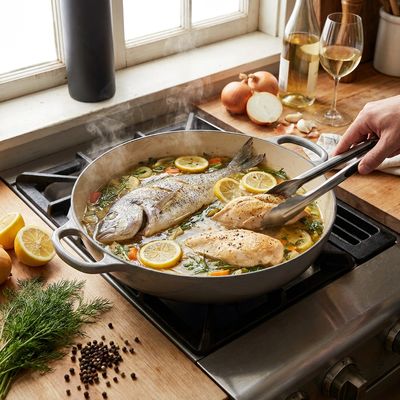
The Secret to Poaching Fish and Poultry in Flavorful Liquids
Poaching is a gentle cooking technique that relies on low heat and aromatic liquids to produce incredibly tender proteins. This guide reveals the secrets to mastering 'the shiver' for restaurant-quality fish and poultry at home.
Similar Recipes to Try
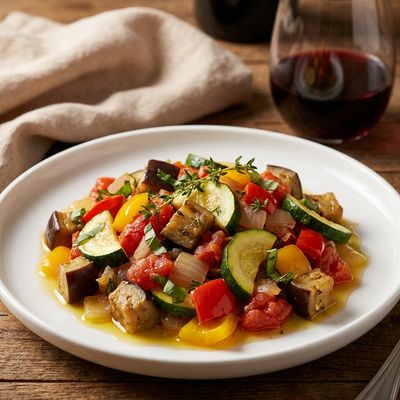
Provençal Vegetable Ratatouille
65 min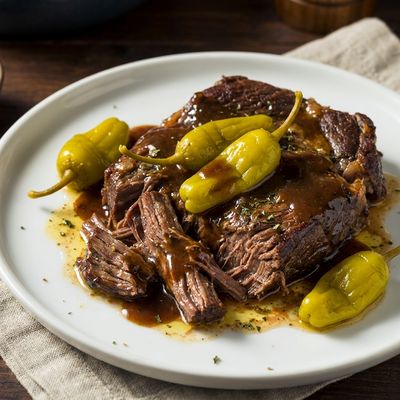
Mississippi Pot Roast
490 min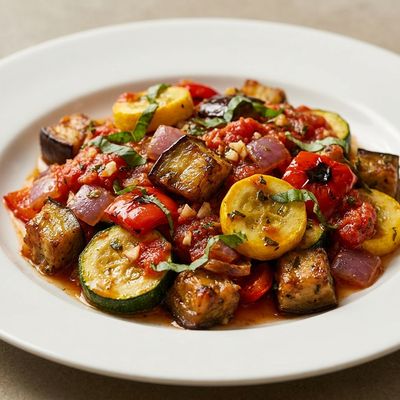
Roasted Vegetable Ratatouille
65 min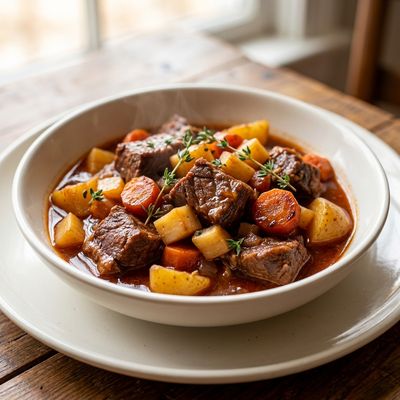
Slow Cooker Beef and Root Vegetable Stew
500 min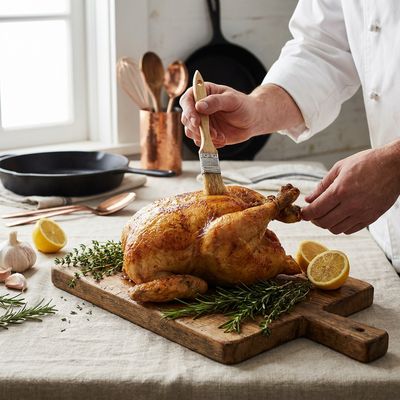
How To Roast Chicken
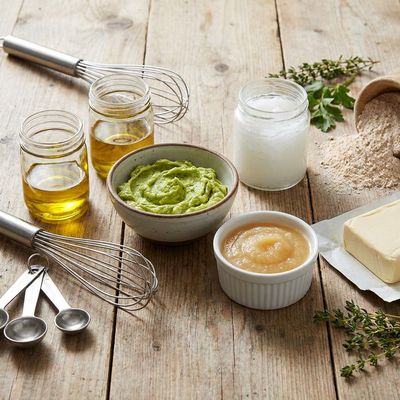
Healthy Butter Substitutes: Best Swaps for Baking and Cooking
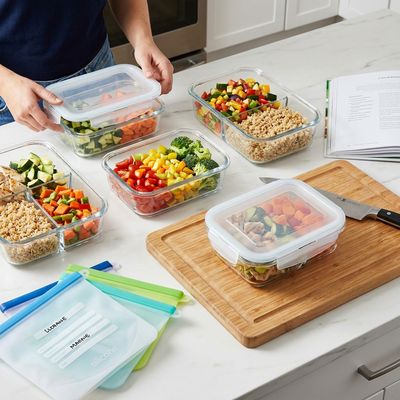
The Ultimate Guide to Meal Prepping for Beginners
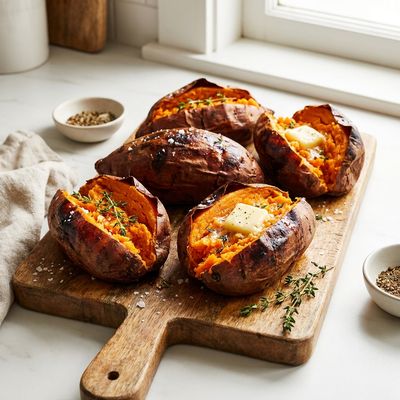
How To Bake Sweet Potatoes

Vegetable Samosa with Spiced Potato Filling
75 min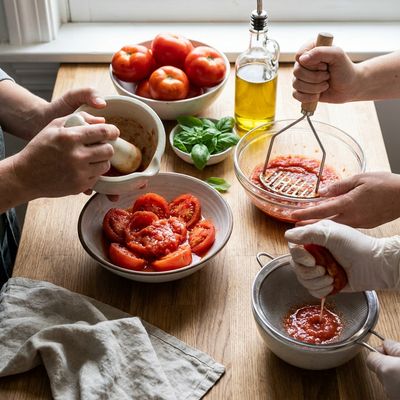
How to Crush Tomatoes
Comments
(0)Sign in to leave a comment.
You Might Like
Ad Space Available
Be the first to leave a comment.