Recipe Details
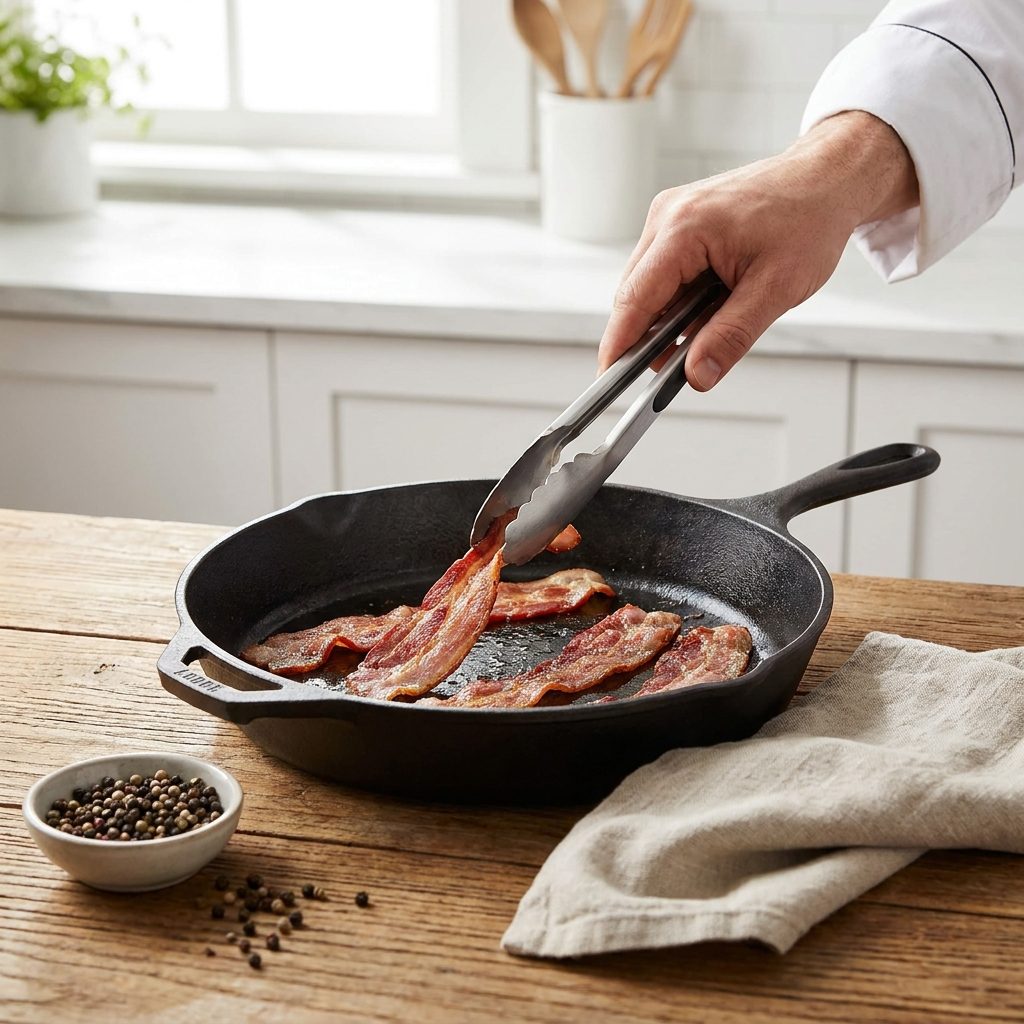
"Frying bacon may seem simple, but achieving the perfect balance of rendered fat and crispy texture requires specific techniques. This guide covers the best methods for stovetop and oven-frying to ensure your breakfast protein is never burnt or soggy."
Ingredients
| Qty | Item |
|---|---|
| Ingredient list coming soon. | |
How to Make How To Fry Bacon
The Cold-Pan Method
For the best stovetop results, always start with a cold pan. Lay your bacon strips in a heavy-bottomed skillet (cast iron is ideal) before turning on the heat. This allows the fat to render slowly as the pan warms up, resulting in more even cooking and less shriveling. Set the burner to medium-low and flip the bacon occasionally once it begins to release its fat.
The Water Technique
To prevent splattering and ensure a tender interior with a crispy exterior, add just enough water to the pan to cover the bottom. Cook over medium-high heat until the water evaporates. Once the water is gone, the bacon will start to fry in its own rendered fat. This method prevents the protein from toughening before the fat has fully rendered.
Oven-Frying for Large Batches
If you are cooking for a crowd, the oven is your best friend. Preheat your oven to 400°F (200°C). Line a large rimmed baking sheet with aluminum foil or parchment paper. Place a wire cooling rack on top and arrange the bacon in a single layer. Bake for 15 to 20 minutes depending on thickness. This method provides perfectly straight, uniform strips with minimal cleanup.
Draining and Resting
Regardless of the method used, the final step is crucial. Transfer the cooked bacon immediately to a plate lined with paper towels. Let it rest for 1 to 2 minutes; this allows the residual heat to finish the crisping process and removes excess grease that can make the bacon feel heavy or soggy.
Tips for Best Results
-
·
<html><ul><li>Avoid overcrowding the pan to ensure even heat distribution and airflow.</li><li>Save your rendered bacon grease in a glass jar for sautéing vegetables or frying eggs.</li><li>Thick-cut bacon requires lower heat and longer cooking times to prevent the outside from burning before the fat renders.</li><li>For perfectly flat strips, use a bacon press or a second heavy skillet on top of the bacon while frying.</li></ul></html>
Frequently Asked Questions
Why is my bacon curling so much?
What is the best type of pan for frying bacon?
How do I know when the bacon is done?
Can I fry bacon that is frozen?
What to Cook Next


Next Recipe
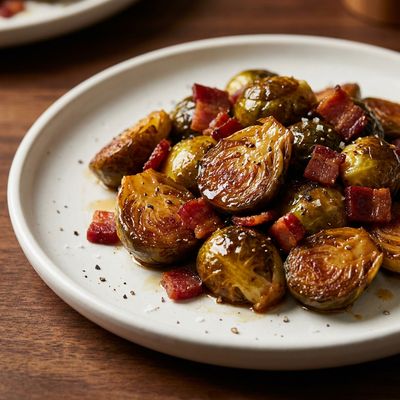
Maple Glazed Brussels Sprouts with Crispy Bacon
Experience the perfect balance of salty and sweet with these oven-roasted Brussels sprouts, featuring caramelized edges and a sticky maple glaze. The addition of thick-cut crispy bacon makes this side dish an absolute showstopper for any holiday meal or weeknight dinner.
Similar Recipes to Try
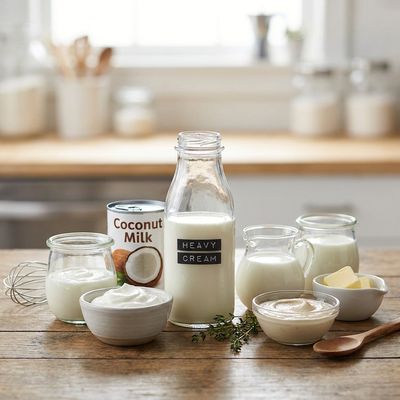
Best Heavy Cream Substitutes for Sauces, Soups, and Baking
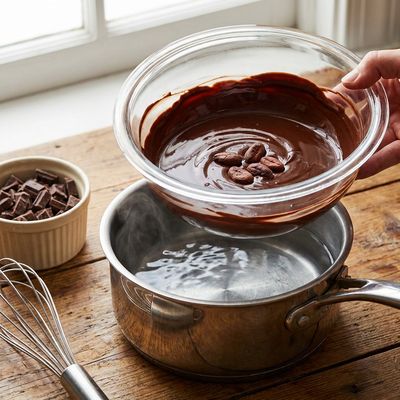
How To Melt Chocolate
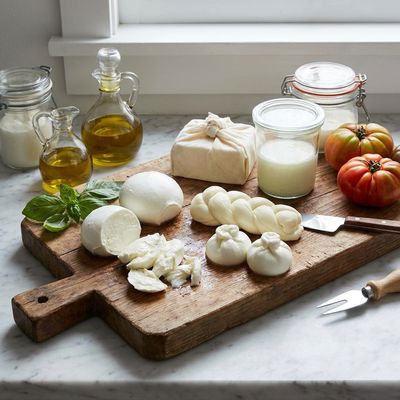
Mozzarella: Uses, Substitutes, and How to Store It
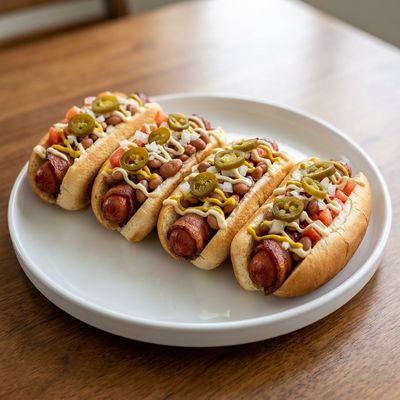
Sonoran Hot Dogs with Pinto Beans and Bacon
30 min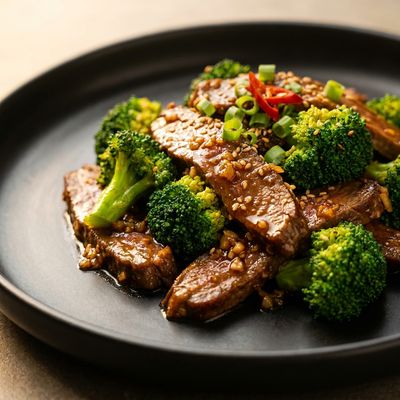
Skillet Beef and Broccoli with Ginger
30 min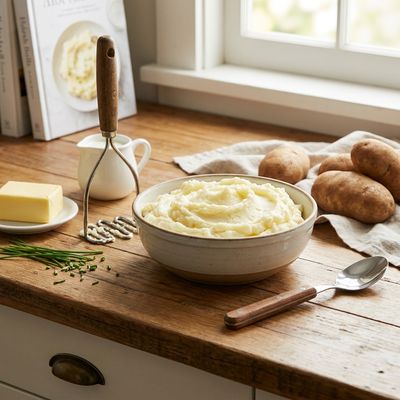
How To Make Mashed Potatoes
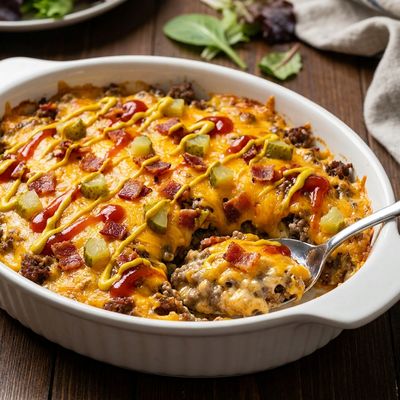
Low-Carb Bacon Cheeseburger Casserole
45 min
New England Clam Chowder with Smoked Bacon
45 min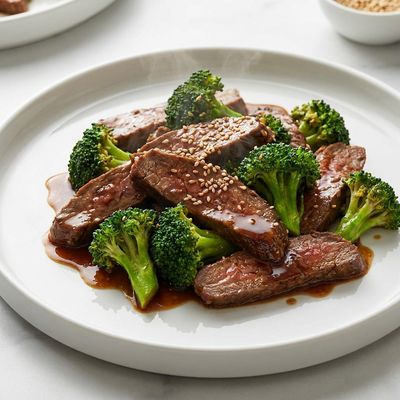
Beef and Broccoli Stir-Fry with Tamari Sauce
30 min
A Complete Guide to Reducing Liquids for Intense Flavor
Comments
(0)Sign in to leave a comment.

Ad Space Available
Be the first to leave a comment.