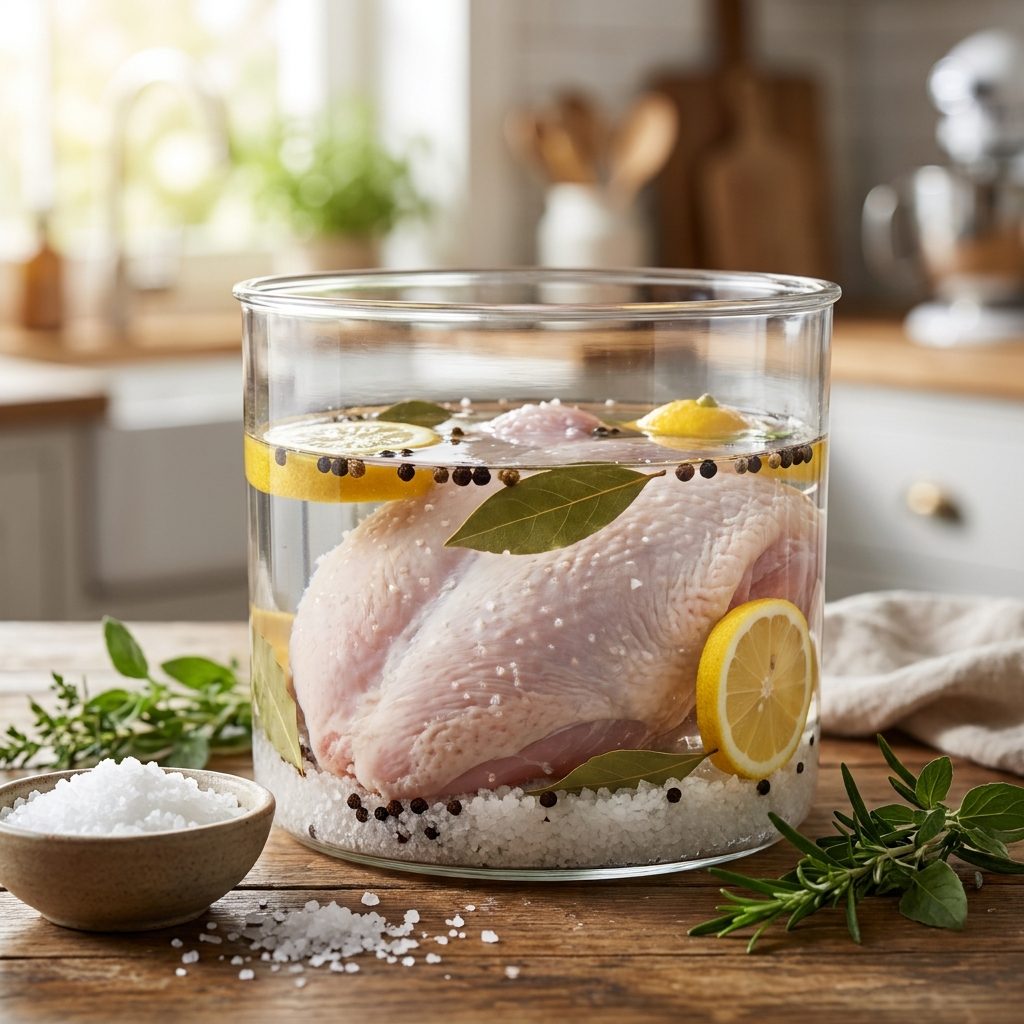
Recipe Details
"Brining is a fundamental culinary technique that relies on chemical reactions to transform the texture and flavor of meat. By understanding the physics of osmosis and protein denaturation, home cooks can master the art of succulent, well-seasoned poultry and pork."
Ingredients
| Qty | Item |
|---|---|
| Ingredient list coming soon. | |
How to Make The Science of Brining: Why Salt Makes Meat More Tender and Flavorful
The Chemical Mechanics: Diffusion and Osmosis
At its core, brining works through two primary processes: diffusion and osmosis. When you submerge meat in a salt-water solution (a wet brine), the salt concentration is higher in the water than in the meat cells. Through diffusion, salt ions migrate from the brine into the meat. Once inside, these ions increase the salinity of the muscle cells. Osmosis then draws water into the cells to balance the salt concentration, effectively hydrating the meat from the inside out.
The Power of Protein Denaturation
The most critical scientific shift happens when salt interacts with muscle proteins, specifically myosin. Salt causes these tightly wound protein filaments to unwind or 'denature.' As the proteins relax, they create a molecular matrix that traps and holds onto moisture. This prevents the muscle fibers from tightening too much during the cooking process, which is why brined meat retains about 10-15% more water weight than un-brined meat after cooking.
Wet Brining vs. Dry Brining
While wet brining relies on a liquid solution to add moisture, dry brining (salting the meat well in advance) uses the meat's own juices. The salt draws moisture out of the meat, dissolves into a concentrated brine on the surface, and is then reabsorbed back into the muscle fibers. Dry brining is often preferred by chefs for poultry because it allows the skin to stay dry, leading to a much crispier finish while still achieving the deep-tissue seasoning and protein relaxation of a wet brine.
The Role of Sugar and Aromatics
Though salt does the heavy lifting, sugar is often added to brines for two scientific reasons: flavor balance and the Maillard reaction. Sugar doesn't penetrate the meat as deeply as salt does, but it sits on the surface to promote better browning when heat is applied. Aromatics like garlic, peppercorns, and herbs provide fat-soluble and water-soluble flavor compounds that season the exterior layers of the meat during the soaking period.
Tips for Best Results
-
·
<ul><li><strong>Ratio is Key:</strong> For a standard wet brine, use a 6% salt-to-water ratio (approximately 1 tablespoon of Diamond Crystal Kosher salt per cup of water).</li><li><strong>Air-Dry for Skin:</strong> If wet brining poultry, remove the bird from the liquid and let it sit uncovered in the fridge for 4-12 hours before roasting to ensure crispy skin.</li><li><strong>Avoid Over-Brining:</strong> Leaving meat in a brine for too long can result in a mushy, ham-like texture as the proteins break down excessively.</li><li><strong>Temperature Matters:</strong> Always ensure your brine is completely chilled before adding raw meat to prevent bacterial growth.</li></ul>
Frequently Asked Questions
Does brining make meat taste overly salty?
Can I brine meat that has already been injected with salt?
How long should I brine different types of meat?
Does the type of salt matter?
What to Cook Next
Next Recipe
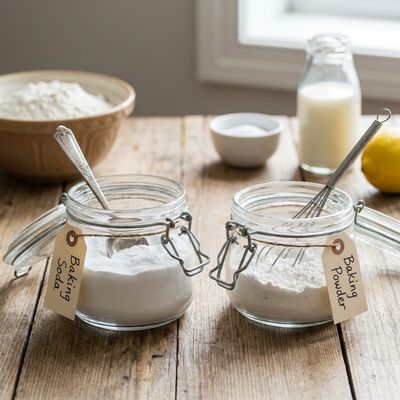
Baking Soda vs. Baking Powder: A Guide to How Leavening Agents Work
Understanding the chemical reactions behind baking soda and baking powder is essential for any home baker. This guide explores the science of carbon dioxide production and how these leavening agents create the light, airy textures in your favorite recipes.
Similar Recipes to Try
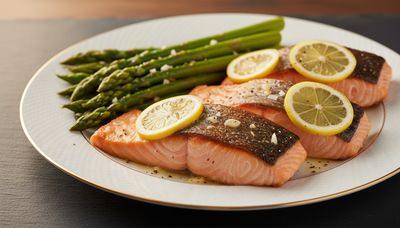
Pan Seared Salmon With Asparagus
25 min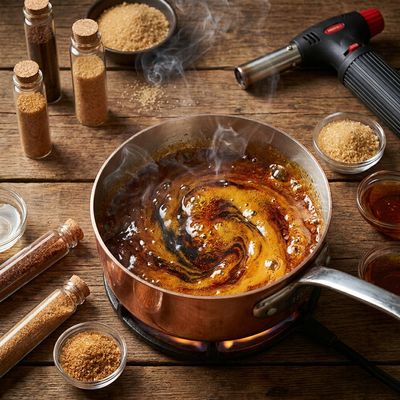
How Caramelization Works: The Science of Cooking Sugar for Flavor and Color

Why Are My Cookies Flat? How to Prevent Cookie Spreading

Homemade Pan-Seared Pork Potstickers
60 min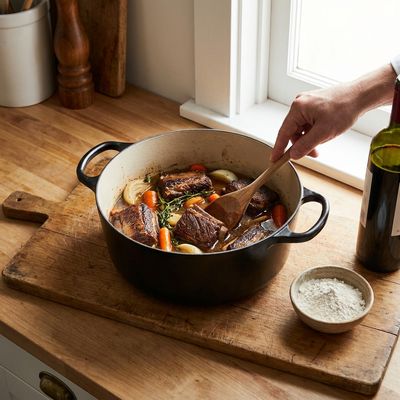
A Beginner's Guide to Braising: How to Make Tough Cuts Tender
How to Drain Noodles
How To Make Oatmeal
How to Balance Flavors in Cooking: Salt, Fat, Acid, and Heat
How to Saute Onions
Cauliflower Crust Pizza
45 minComments
(0)Sign in to leave a comment.
You Might Like

Ad Space Available
Be the first to leave a comment.