Recipe Details
"Keeping your air fryer clean is vital for flavor and longevity, but the non-stick coating is easily damaged by improper tools. This guide provides a gentle, effective cleaning regimen to keep your appliance in pristine condition."
Ingredients
| Qty | Item |
|---|---|
| Ingredient list coming soon. | |
How to Make Best Way to Clean an Air Fryer Without Damaging the Coating
Step 1: The Essential Cool-Down and Soak
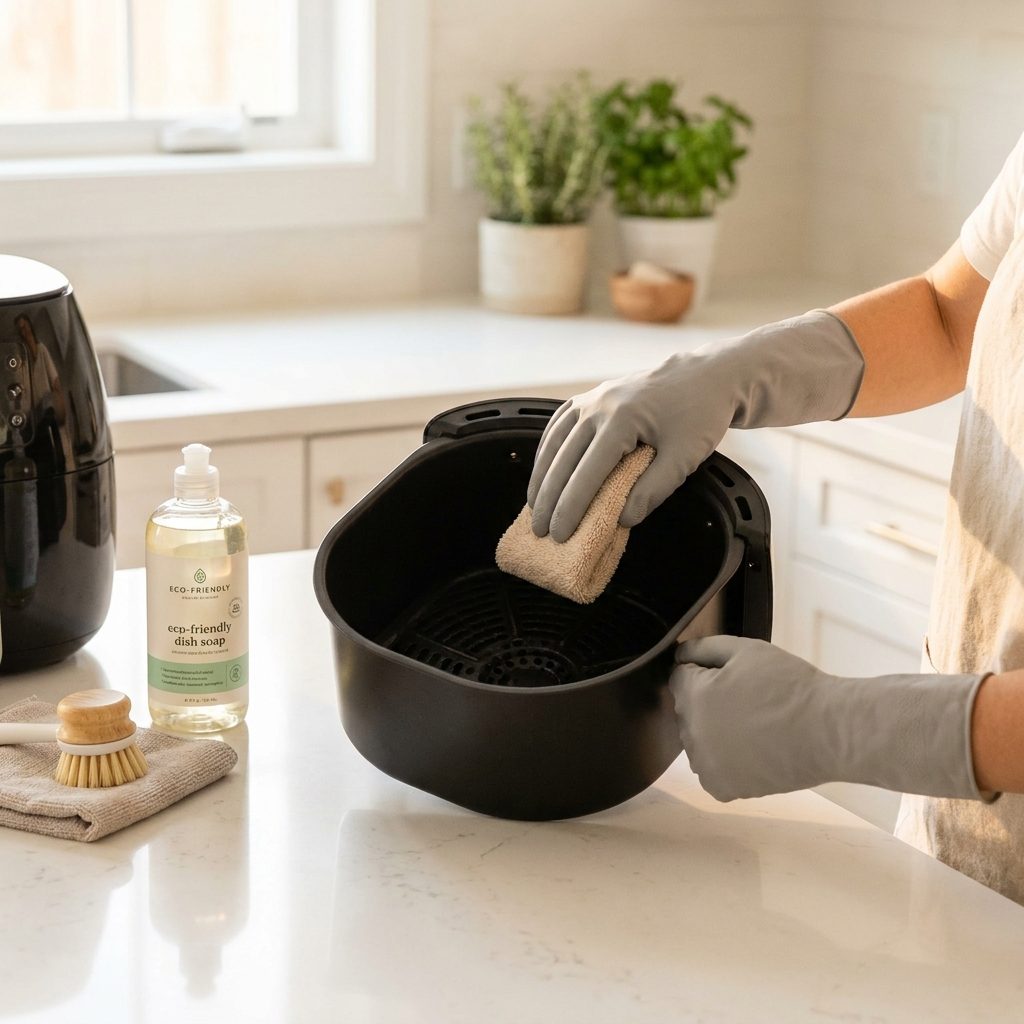
Never submerge a hot air fryer basket in cold water, as thermal shock can cause the coating to warp or crack. Once the unit is cool enough to handle, remove the basket and tray. If there is stubborn residue, fill the basket with warm, soapy water and let it sit for 15 minutes. This naturally loosens carbonized grease without the need for force.
Step 2: Choosing Non-Abrasive Tools
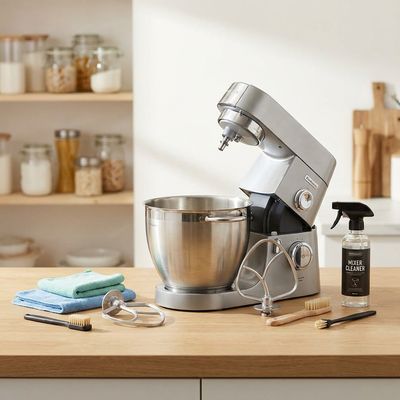
The golden rule for air fryers is to never use steel wool or metal scouring pads. Instead, use a soft nylon sponge or a microfiber cloth. For the mesh parts of the basket where food gets trapped, a soft-bristled toothbrush is the perfect tool to gently dislodge particles without scratching the surrounding surface.
Step 3: Creating a Gentle Degreaser
If simple dish soap isn't enough, create a paste using baking soda and a small amount of water. Apply this paste to greasy spots and let it sit for several minutes. Baking soda is mildly abrasive enough to lift grease but soft enough not to damage the polymer coating of the basket. Wipe away with a damp cloth.
Step 4: Cleaning the Heating Element and Interior
Unplug the unit and turn it upside down to easily see the heating element. Use a damp cloth or a soft brush to wipe away oil splatter from the coil. For the interior walls of the machine, a simple wipe with a damp cloth and a drop of dish soap is sufficient. Ensure everything is completely dry before reassembling. For more detail, see our guide to descale a coffee maker.
Tips for Best Results
-
·
<html><ul><li>Avoid aerosol cooking sprays containing soy lecithin, as they leave a gummy residue that requires heavy scrubbing to remove.</li><li>Use silicone liners or perforated parchment paper to prevent food from sticking to the basket in the first place.</li><li>Always dry the basket and tray thoroughly after washing to prevent rust on the underlying metal components.</li><li>Perform a 'steam clean' by placing a bowl of water and lemon slices in the basket and running the air fryer at 400°F for 5 minutes to loosen grease.</li></ul></html>
Frequently Asked Questions
Can I put my air fryer basket in the dishwasher?
What should I do if my air fryer is smoking?
Is it safe to use vinegar on the non-stick coating?
How often should I clean the entire unit?
What to Cook Next

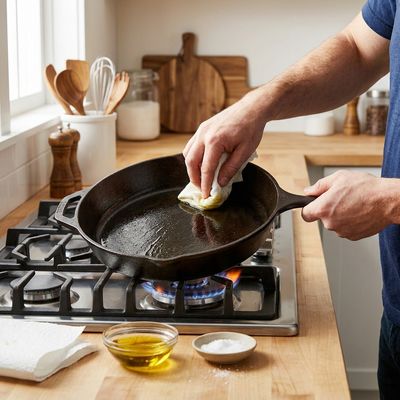
Next Recipe
How to Season a Cast Iron Skillet for a Non-Stick Finish
Seasoning a cast iron skillet is the essential process of creating a naturally non-stick surface through the science of polymerization. This guide walks you through selecting the right tools, the best oils to use, and how to maintain your cookware for generations to come.
Similar Recipes to Try
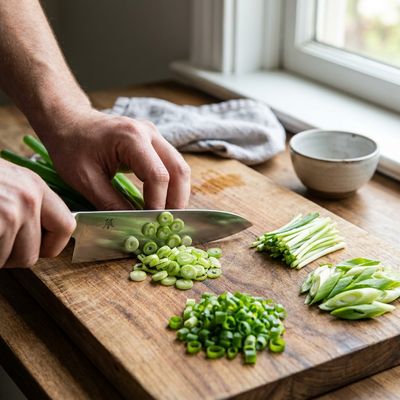
How to Slice Scallions
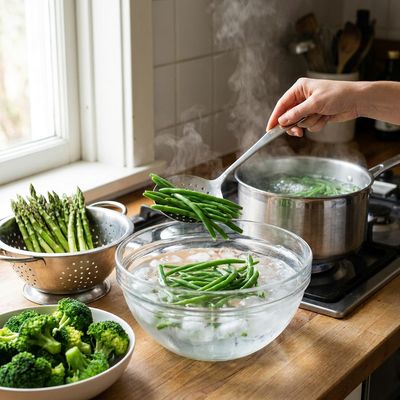
How to Blanch and Shock Vegetables to Keep Them Crisp and Green

Arancini with Mozzarella Centres
50 min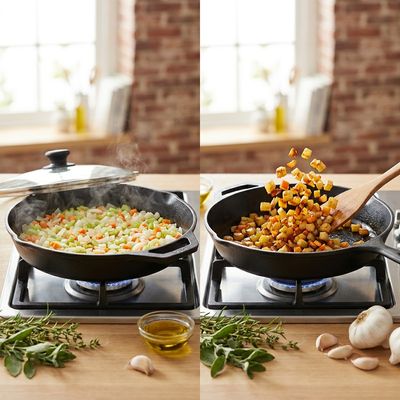
Why You Should Be Sweating Your Aromatics Instead of Sauteing

How to Substitute Sugar: A Guide to Natural and Low-Calorie Sweeteners

Internal Meat Temperature Guide: How to Tell When Food is Done
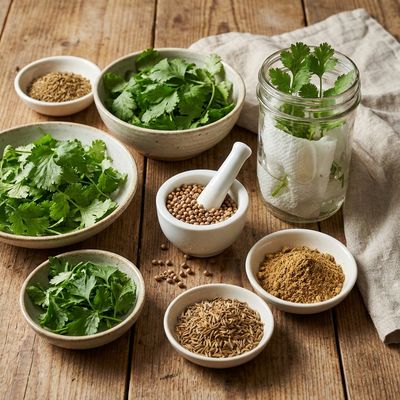
Coriander: How to Choose, Use and Store It

The Best Cooking Oil Substitutes for High-Heat vs. Cold Dishes

Air Fryer Roasted Garlic Herb Potatoes
30 min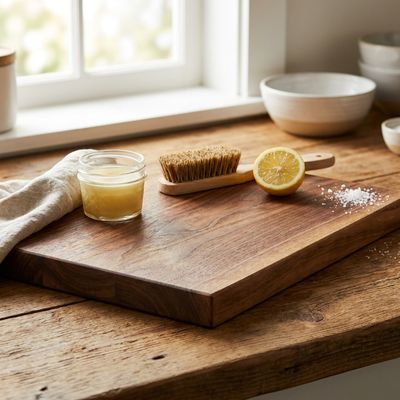
How to Clean and Maintain a Wooden Cutting Board
Comments
(0)Sign in to leave a comment.
You Might Like
Ad Space Available
Be the first to leave a comment.