What Espresso Is
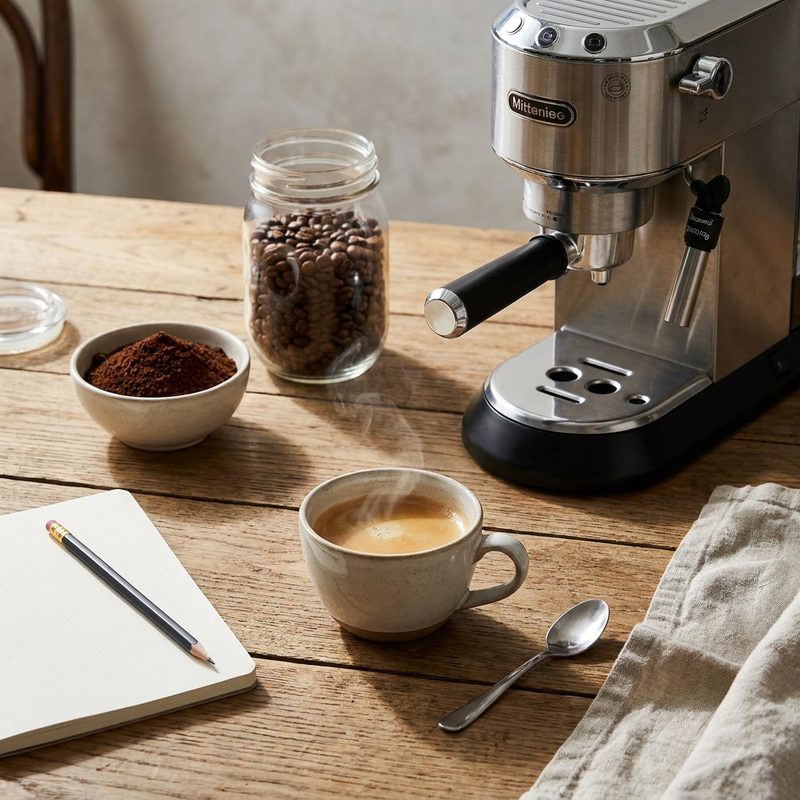
Espresso is a small, concentrated serving of coffee made by forcing near-boiling water (around 90–96°C) under high pressure (9 bars) through finely-ground coffee beans. Originating in Italy in the early 20th century, espresso is not a specific bean or roast but a brewing method. The result is a thick, dark liquid topped with a layer of crema—a golden-brown foam of emulsified oils and air bubbles. Espresso forms the base for many coffee drinks like lattes, cappuccinos, and americanos, and is also used extensively in cooking for its intense flavour.
How to Choose Espresso
When buying espresso for home use, look for whole beans labelled as 'espresso roast' or 'dark roast'—these are typically roasted longer to bring out oils and reduce acidity. Check the roast date on the bag; ideally, use beans within 2–4 weeks of roasting for peak freshness. For pre-ground espresso, choose a fine, powdery grind (similar to table salt) and avoid stale, pre-ground supermarket blends. If possible, buy from a local roaster and store beans in an airtight container away from light, heat, and moisture. For cooking, a medium-dark roast with chocolate or nutty notes works well.
How to Use Espresso in Cooking
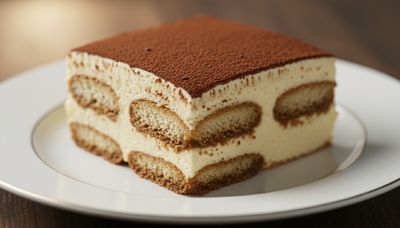
Espresso adds depth and bitterness to both sweet and savoury dishes. For baking, substitute brewed espresso for water or milk in recipes like chocolate cake, brownies, or tiramisu—use 1–2 tablespoons of freshly brewed espresso per cup of liquid. In savoury cooking, add 1–2 teaspoons of espresso powder to marinades for beef or pork to enhance umami, or stir 1 tablespoon into chili or braised short ribs for complexity. For sauces, whisk 1–2 tablespoons of espresso into a pan sauce after deglazing with wine or stock. Always brew espresso fresh just before using; leftover espresso can be refrigerated for up to 24 hours but loses aroma quickly.
Substitutes for Espresso
If you don't have espresso, three common swaps work well. 1. Strong brewed coffee: Use 2–3 times the amount of strong drip coffee (e.g., 3 tablespoons of coffee per 180ml water) to match espresso's intensity. This works in baking but lacks crema. 2. Instant espresso powder: Dissolve 1 teaspoon of instant espresso powder in 2 tablespoons of hot water to replace 1 shot of espresso. This is the closest substitute for flavour. 3. Cold brew concentrate: Mix 1 part cold brew concentrate with 1 part water to mimic espresso's strength. Use equal volume as espresso in drinks or cooking; cold brew is less acidic but slightly sweeter.
How to Store Espresso
Store whole espresso beans in an airtight container in a cool, dark pantry (18–22°C) for up to 2 weeks. For longer storage, freeze beans in a vacuum-sealed bag for up to 3 months—grind directly from frozen without thawing. Pre-ground espresso should be used within 1 week if kept in an airtight container in the pantry; refrigerate for up to 2 weeks, but let it come to room temperature before opening to avoid condensation. Brewed espresso keeps in the fridge for up to 24 hours in a sealed jar, but flavour degrades after 2 hours at room temperature. Never store coffee in the fridge long-term as it absorbs odours.
Common Mistakes
1. Using stale coffee: Old beans or pre-ground coffee produce flat, bitter espresso. Fix: always check the roast date and buy whole beans in small batches. 2. Over-extracting the shot: Brewing espresso for too long (over 30 seconds) pulls bitter compounds. Fix: aim for a 25–30 second extraction with 18–20 grams of coffee for a double shot. 3. Storing coffee in the freezer without sealing: Freezer burn and moisture ruin flavour. Fix: use a vacuum-sealed bag or airtight container, and only freeze whole beans, not ground coffee.
Key Takeaways
- ✓ <ul><li>For baking, use freshly brewed espresso within 30 minutes for the best flavour.</li><li>Add a pinch of salt to brewed espresso to reduce bitterness without changing taste.</li><li>To revive stale espresso beans, roast them in a dry pan over medium heat for 2–3 minutes, then cool before grinding.</li><li>Use espresso powder as a dry rub for steaks—mix 1 teaspoon with salt, pepper, and garlic powder.</li></ul>