Recipe Details
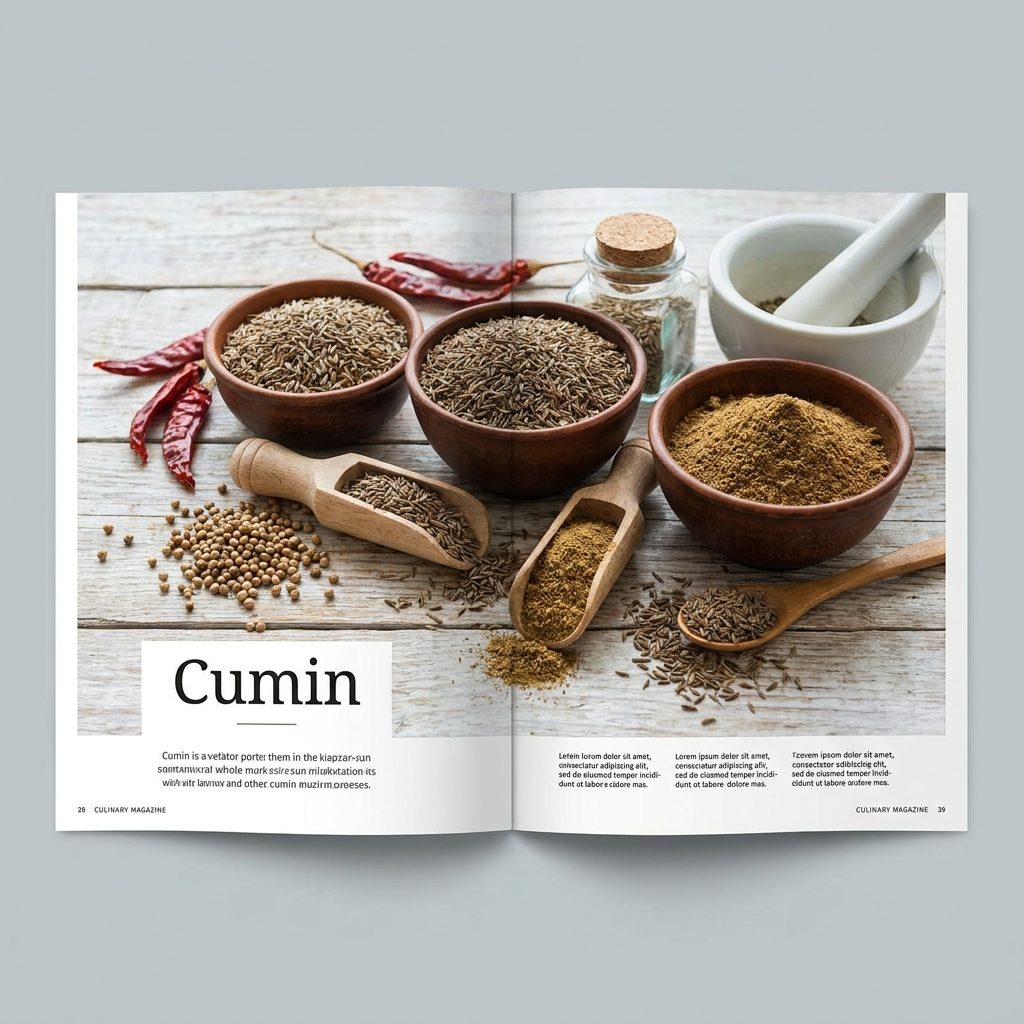
"Cumin seeds are a warm, earthy spice essential to cuisines from India to Mexico. This guide covers how to choose them, how to toast and grind them, and how to store them for maximum freshness. You'll also find three reliable substitutes and common mistakes to avoid."
Ingredients
| Qty | Item |
|---|---|
| Ingredient list coming soon. | |
How to Make Cumin Seeds: Uses, Substitutes, and How to Store It
What Cumin Seeds Are
Cumin seeds are the dried fruits of the plant Cuminum cyminum, a member of the parsley family (Apiaceae). Native to the eastern Mediterranean and South Asia, cumin has been cultivated for thousands of years. The seeds are small, boat-shaped, and brownish-amber, with a distinctive warm, slightly bitter, and earthy aroma. They are a cornerstone of many spice blends, including garam masala, curry powder, and chili powder.
How to Choose Cumin Seeds
When buying whole cumin seeds, look for seeds that are uniform in color—medium brown with no greenish tint (which indicates they were harvested too early). They should be dry, not clumped together, and free of debris. A fresh batch will have a strong, pungent smell when you crush a seed between your fingers. Avoid seeds that look shriveled or have a dull, dusty appearance. For the best flavour, buy from a store with high turnover, and use them within six months of purchase.
How to Use Cumin Seeds in Cooking
To toast, heat a dry skillet over medium heat, add the seeds, and stir constantly for 30–45 seconds until they darken slightly and become fragrant. Remove immediately to a plate to cool. Once cool, you can grind them in a spice grinder or mortar and pestle. Use 1 tablespoon of whole seeds to yield about 2½ teaspoons of ground cumin. Add whole seeds to hot oil at the start of cooking for curries, stews, or rice dishes—allow them to sizzle for 10 seconds before adding other ingredients. Ground cumin should be added later in cooking, as it can burn easily. Use 1 teaspoon of ground cumin per serving for a moderate flavour.
Substitutes for Cumin Seeds
If you run out of cumin seeds, three good substitutes exist. Ground cumin is the simplest swap: use 1 teaspoon ground for every 1 teaspoon of whole seeds called for. Because ground cumin is more concentrated, start with ¾ teaspoon and adjust. Caraway seeds are the closest in appearance and flavour, though slightly sweeter and more anise-like. Substitute 1:1, but note the dish will lack cumin's warm bitterness. Coriander seeds offer a citrusy, floral note that works in many spice blends. Use 1½ teaspoons crushed coriander seeds for every 1 teaspoon of cumin seeds, and expect a lighter, brighter taste. For a blend, combine ½ teaspoon caraway seeds with ½ teaspoon coriander seeds to approximate cumin's complexity.
How to Store Cumin Seeds
Whole cumin seeds keep best in an airtight container in a cool, dark pantry, where they will maintain good quality for up to 3 years. Ground cumin loses potency faster; store it in a sealed jar in the pantry for 6–12 months. For longer storage, freeze whole or ground cumin in a freezer-safe bag with the air pressed out—it will last for 5 years without significant flavour loss. Do not refrigerate cumin, as moisture can cause clumping and mould. Always smell before using; if the aroma is faint, it's time to replace them.
Common Mistakes
1. Burning the seeds during toasting. Cumin seeds go from fragrant to burnt in seconds. Toast over medium heat, shake the pan constantly, and remove them as soon as they darken and smell nutty. Burnt cumin tastes acrid and bitter. 2. Using old, stale seeds. Cumin that has sat in the pantry for years will be dusty and flavourless. Always check the harvest date if possible, and replace any seeds that smell like hay. 3. Adding ground cumin too early. Ground cumin burns quickly in hot oil. Add it near the end of cooking, or stir it into a liquid (like yogurt or stock) before adding to the pan. This prevents scorching and preserves its subtle notes.
Tips for Best Results
-
·
<ul><li>Toast cumin seeds in a dry pan for 30–45 seconds until fragrant and slightly darkened; cool before grinding.</li><li>For maximum flavour, crack whole seeds with a mortar and pestle just before adding to a dish.</li><li>Store whole cumin seeds in an airtight jar away from light and heat; they stay fresh for up to 3 years.</li><li>If substituting ground cumin for whole, use ¾ teaspoon ground per 1 teaspoon whole, then adjust to taste.</li></ul>
Frequently Asked Questions
Can I use ground cumin instead of whole cumin seeds?
What is the best way to toast cumin seeds?
How long do cumin seeds last in the pantry?
What is a good substitute for cumin seeds in curry?
What to Cook Next
Next Recipe
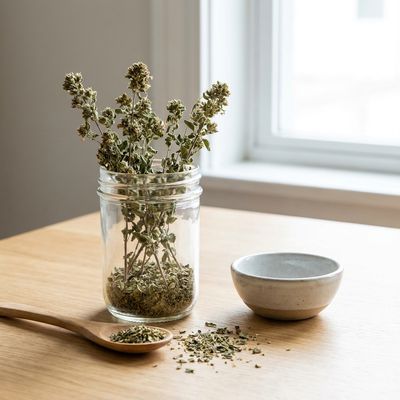
Dried Oregano: Uses, Substitutes, and How to Store It
Dried oregano is a staple herb in Mediterranean cooking, prized for its robust, slightly peppery flavour. This guide explains what it is, how to select quality jars, and how to cook with it, plus the best substitutes and proper storage methods.
Similar Recipes to Try
Mayonnaise: Uses, Substitutes, and How to Store It
How to Clean and Store Fresh Mushrooms Without Making Them Slimy
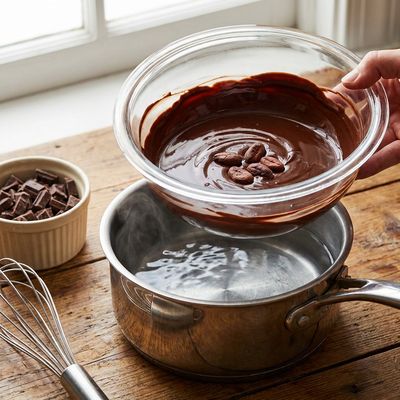
How To Melt Chocolate

Dal Fry with Cumin and Curry Leaves
45 min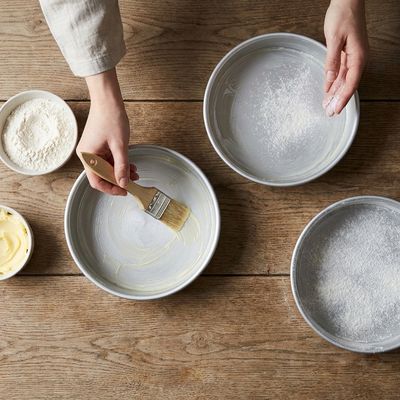
How to Properly Grease and Flour a Cake Pan
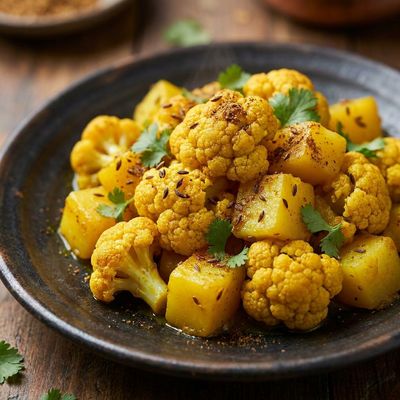
Aloo Gobi with Turmeric and Cumin
40 min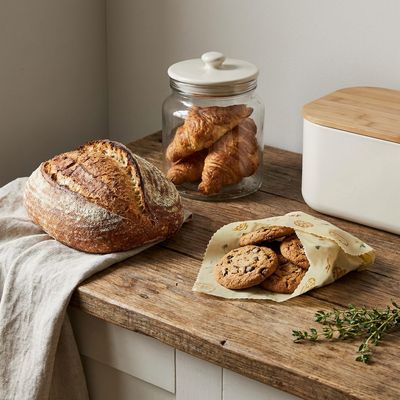
The Best Way to Store Different Types of Baked Goods
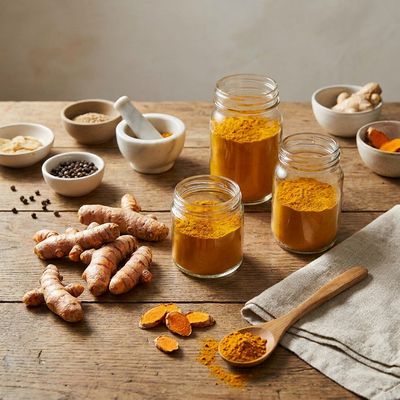
Turmeric: Uses, Substitutes, and How to Store It
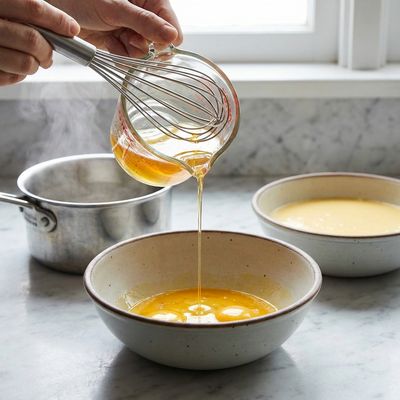
The Science of Tempering Eggs: How to Prevent Curdling in Custards and Sauces

A Beginner's Guide to Buying and Using Different Types of Cooking Oils
Comments
(0)Sign in to leave a comment.
You Might Like

Ad Space Available
Be the first to leave a comment.