Recipe Details
"Active dry yeast is a dependable leavener for breads, rolls and pizza, but its handling depends on the recipe and the product. This guide explains when to test it, how to judge a rise, when instant yeast can stand in, and how to protect an opened supply from air, moisture and heat."
Ingredients
| Qty | Item |
|---|---|
| Ingredient list coming soon. | |
How to Make Active Dry Yeast Guide: How to Choose, Use and Store It
What It Is and Which Form You Have
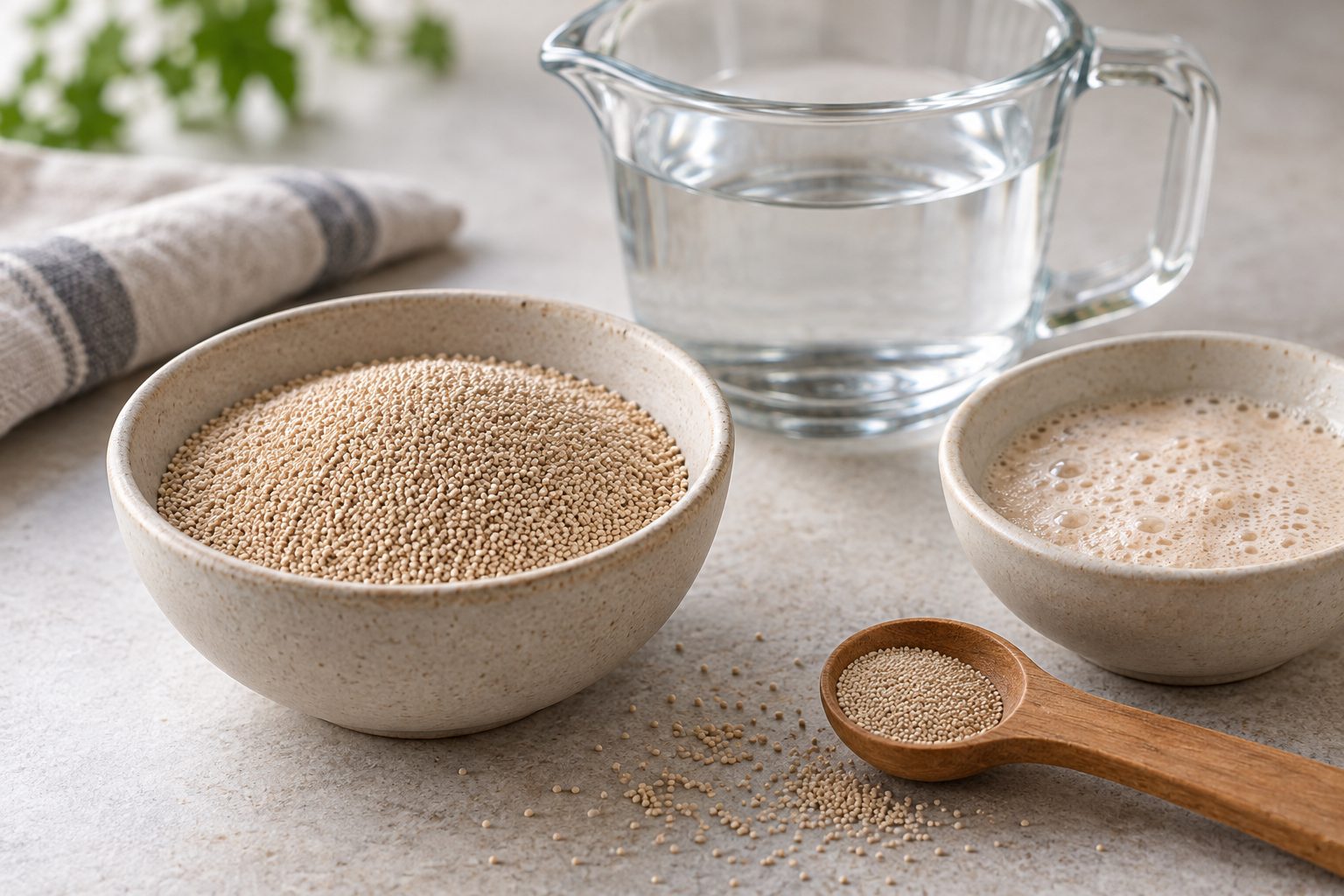
Active dry yeast is the moderate-working dry yeast named in many bread, roll and pizza recipes. Modern manufacturing means it can often be mixed directly with the flour, but that does not cancel a recipe or package direction that specifically asks you to dissolve it first. Dissolving prepares yeast for a formula; proofing is an activity test used when you are unsure whether the yeast is still alive. For more detail, see our guide to test whether yeast is active.
Do not confuse active dry yeast with instant or rapid-rise yeast just because all three are sold dry. Instant yeast starts faster. Active dry yeast is slower at first but can catch up during a longer fermentation, which is why the visual condition of the dough matters more than a rigid timer.
How to Choose It
Start with the exact yeast type named in the recipe and check the package date and condition. Choose sealed packets or a tightly closed jar that has been kept away from heat and moisture. Once air reaches dry yeast, its leavening power declines faster, so an unknown open date is a practical reason to test it before committing the rest of your ingredients.
To test one 7-gram packet, Red Star specifies 1/2 cup of 110°F to 115°F water with 1 teaspoon of sugar. Stir in the yeast and check it after 10 minutes: an active batch should form a rounded, foamy rise. Count that test water as part of the recipe's liquid rather than adding it on top of the stated amount.
How to Use It in Recipes
Follow the recipe's mixing order. If it calls for active dry yeast with the dry ingredients, add it there. If it calls for dissolving or proofing, use the stated liquid temperature and deduct that liquid from the recipe total. A standard packet is 0.25 ounce, or 7 grams, and contains approximately 2 1/4 teaspoons.
During fermentation, use the dough's size and texture as the deciding cues. Room temperature and dough composition can make the same yeast work faster or slower from one bake to the next. When a recipe says to rise until doubled or visibly puffy, wait for that condition instead of stopping simply because the suggested number of minutes has elapsed.
Use the method in Garlic Naan with Coriander Butter to see active dry yeast in a soft skillet flatbread. Homemade English Muffins demonstrate a griddled dough, while Honey Whole Wheat Sandwich Bread shows a shaped pan loaf. All three recipes explicitly use active dry yeast, giving you different ways to practice proofing and reading the rise.
How to Choose a Substitute
For most hand-mixed or mixer-kneaded doughs, King Arthur and Red Star both support replacing active dry yeast with the same amount of instant yeast. Mix instant yeast with the dry ingredients; it generally begins working sooner, so check the dough earlier and let the rise cue—not the original clock time—decide when to move on.
Bread machines are a documented exception. Their warmer, fixed cycles can make a straight swap over-rise and collapse, so follow the machine manual or a formula written for that yeast type. This guide does not give a fresh-yeast conversion because the reviewed evidence and the intended home-baking use are focused on active dry and instant yeast.
How to Store It
Keep unopened packets at a comfortable room temperature away from heat, or refrigerate or freeze them for longer storage. After opening a packet, press out excess air, fold the opening down to the yeast level, secure it, label the open date, and refrigerate or freeze it. Red Star advises using yeast left in an opened packet within four weeks.
For a larger supply, move the yeast to an airtight container and keep it in the freezer; King Arthur gives a storage window of up to one year. Remove only what you need and return the container promptly so repeated exposure to warm, humid air does not shorten its useful life.
Common Mistakes to Avoid
Do not assume every slow rise means the yeast has failed; active dry yeast starts more slowly than instant, and cool dough needs more time. Do not compensate by pouring in extra yeast without changing the formula, because yeast quantity changes fermentation speed. Read the dough and follow the recipe's target volume.
Avoid hot liquid and hot storage areas, both of which reduce yeast activity. If you proof yeast, do not forget to subtract the test water from the recipe. Finally, do not treat a best-by date as an activity test: when storage history is uncertain, a 10-minute warm-water-and-sugar test gives more useful evidence before you mix the dough.
Sources
- The Comprehensive Guide to Baking with Yeast (King Arthur Baking Company)
- Red Star All-Natural Active Dry Yeast: How to Use and Store (Red Star Yeast)
- Active Dry Yeast: Do You Really Need to Dissolve It First? (King Arthur Baking Company)
Tips for Best Results
-
·
Use the exact yeast type named in the recipe on your first bake; once you know the dough's normal rise, substitutions are easier to judge.
-
·
Write the open date on a packet or container before refrigerating or freezing it so an old supply is easy to identify.
-
·
When you test yeast in water, subtract that water from the recipe total to keep the dough hydration unchanged.
Frequently Asked Questions
Does active dry yeast always need to be dissolved first?
How much active dry yeast is in one packet?
Can I replace active dry yeast with instant yeast?
How should I store opened active dry yeast?
What to Cook Next
Next Recipe
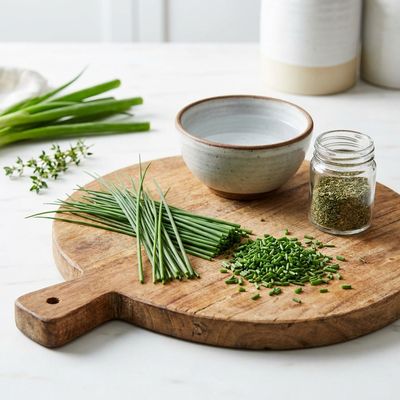
Chives: Uses, Substitutes, and How to Store It
Chives are a delicate, onion-flavored herb that adds a mild kick to countless dishes. This guide covers how to select, use, and store fresh chives, along with the best substitutes for when you run out.
Similar Recipes to Try
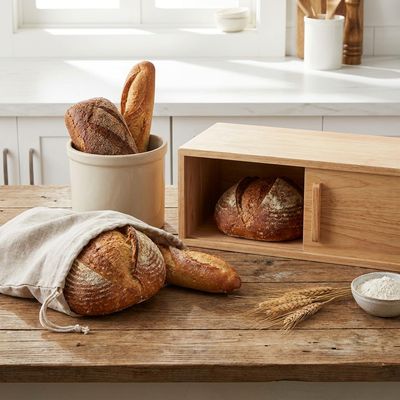
How to Store Bread to Keep It Fresh and Crusty
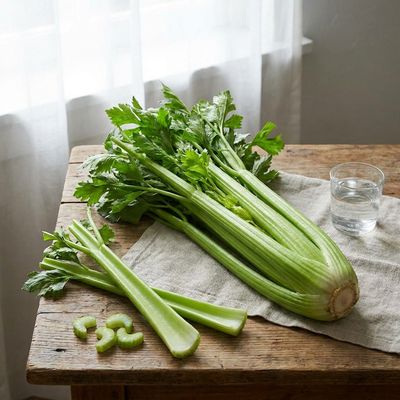
Celery: Uses, Substitutes, and How to Store It
White Wine: Uses, Substitutes, and How to Store It
How to Cut a Pineapple: A Step-by-Step Guide
Tortillas: Uses, Substitutes, and How to Store It
Sesame oil: How to Choose, Use and Store It
Coconut: Uses, Substitutes, and How to Store It
Apple Cider Vinegar: Uses, Substitutes, and How to Store It
Coriander: How to Choose, Use and Store It
Mushrooms: How to Choose, Use and Store It
Comments
(0)Sign in to leave a comment.
You Might Like

Ad Space Available
Be the first to leave a comment.