Recipe Details
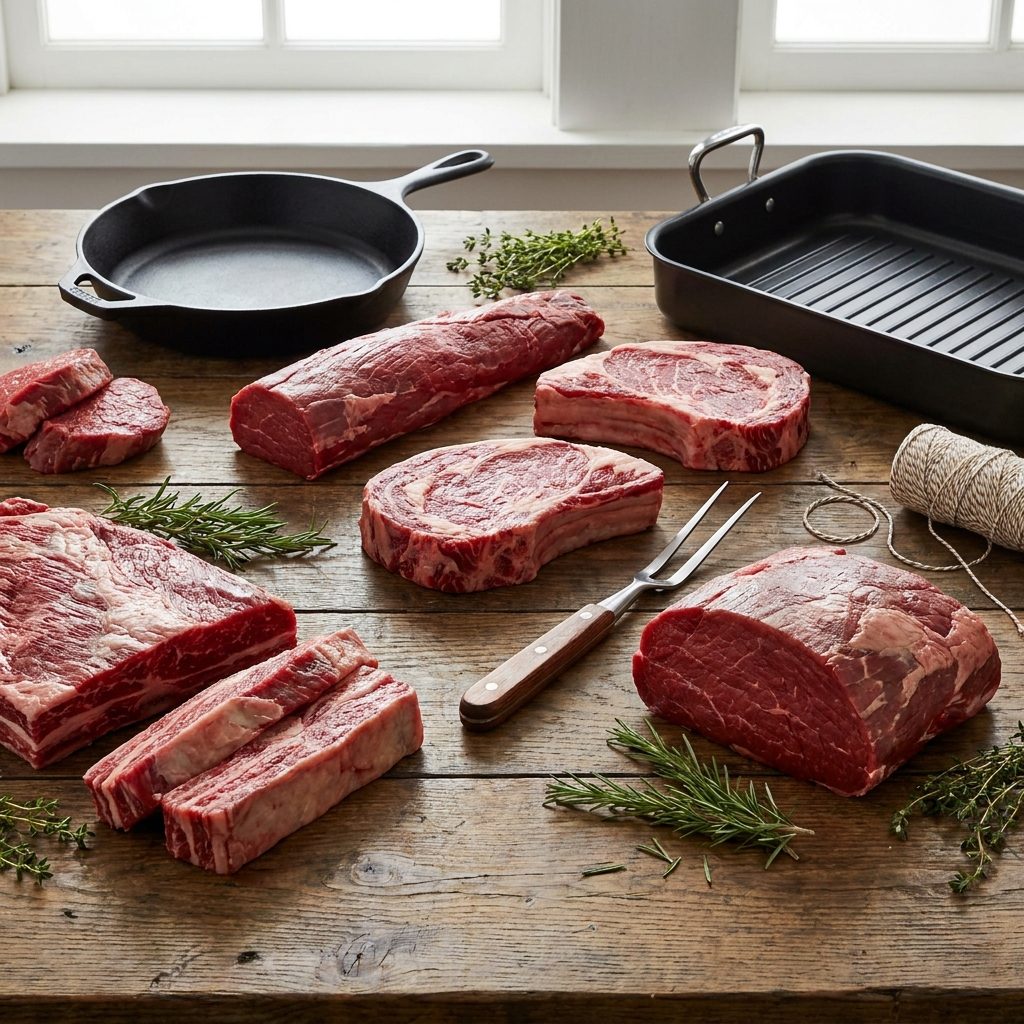
"Navigating the butcher counter can be intimidating given the variety of steaks, roasts, and ribs available. This guide decodes the anatomy of beef to ensure you select the right texture and flavor profile for your specific cooking technique, from quick searing to low-and-slow braising."
Ingredients
| Qty | Item |
|---|---|
| Ingredient list coming soon. | |
How to Make A Guide to Choosing the Best Cuts of Beef for Every Cooking Method
Understanding Beef Origin and Grading
Quality beef starts with its origin and how it is graded. In the United States, the USDA grades beef based on tenderness, juiciness, and flavor. 'Prime' has the most marbling (intramuscular fat) and is usually found in high-end restaurants. 'Choice' is high quality with less marbling than Prime, while 'Select' is leaner and often less tender. When choosing, look for meat that is bright cherry-red and firm to the touch; avoid anything that appears grey or sits in excessive liquid.
High-Heat Cooking: Grilling and Searing
For methods like grilling, pan-searing, or broiling, you want cuts that are naturally tender and cook quickly. These come from the parts of the cow that do the least work, such as the rib and loin. The Ribeye, New York Strip, and Filet Mignon are the gold standards here. These cuts benefit from high heat to develop a crust while maintaining a juicy interior. If you are looking for more flavor at a lower price point, consider 'flat' cuts like Flank steak or Skirt steak, which handle high heat well but must be sliced thinly against the grain.
Low and Slow: Braising and Stewing
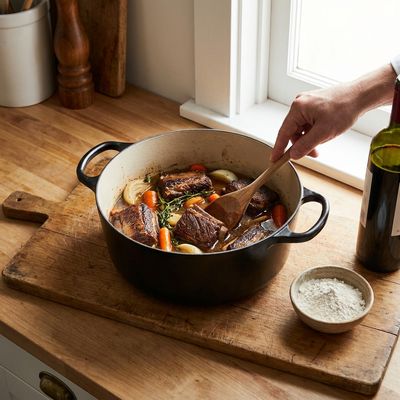
Cuts from the more active muscles, like the shoulder (Chuck) or the leg (Shank and Round), contain high amounts of connective tissue and collagen. When cooked quickly, these cuts are tough and chewy. However, when cooked slowly in liquid (braising), the collagen breaks down into gelatin, resulting in melt-in-your-mouth tenderness. Chuck roast is the ultimate choice for pot roasts, while Short Ribs offer a rich, fatty depth of flavor that is perfect for red wine braises.
Roasting: The Centerpiece Techniques
Roasting involves cooking meat uncovered in the oven. For a luxury roast, the Standing Rib Roast (Prime Rib) or Chateaubriand (Tenderloin) are unmatched. For a budget-friendly Sunday dinner, the Top Round or Tri-Tip offer great beefy flavor. When roasting, it is vital to use a meat thermometer to ensure the center reaches your desired doneness without overcooking the exterior.
Smart Substitutes and Swaps
If your recipe calls for a specific cut that isn't available, look for a substitute from the same primal area. If you can't find Filet Mignon, a T-bone contains a portion of the tenderloin and serves as a great alternative. Instead of Skirt steak for fajitas, Flank steak or even a thinly sliced Top Sirloin can work. For stews, if Chuck isn't available, look for Bottom Round or even Oxtail to provide that necessary body and richness.
Proper Storage and Handling
Beef should be stored in the coldest part of your refrigerator (usually the back of the bottom shelf). Steaks and roasts will stay fresh for 3 to 5 days, while ground beef should be used within 1 to 2 days. For long-term storage, wrap the beef tightly in plastic wrap followed by aluminum foil or a vacuum-sealed bag to prevent freezer burn; it can last 6 to 12 months in the freezer.
Common Mistakes to Avoid
The most common mistake is cooking meat straight from the fridge. For an even cook, let your beef sit at room temperature for 30-60 minutes before hitting the heat. Another error is slicing meat with the grain. Always look for the direction of the muscle fibers and cut perpendicular to them to shorten the fibers, making the meat easier to chew. Finally, never skip the resting phase; letting a steak rest for 5-10 minutes allows the juices to redistribute so they don't run out on the cutting board.
Tips for Best Results
-
·
<html><ul><li>Always pat your beef dry with paper towels before searing to ensure a golden-brown crust.</li><li>Salt your meat at least 45 minutes before cooking to allow the seasoning to penetrate the fibers.</li><li>Invest in an instant-read thermometer; color is an unreliable indicator of doneness.</li><li>Choose 'bone-in' cuts when possible for more flavor and moisture retention during long cooking processes.</li><li>Look for 'dry-aged' beef for a more concentrated, nutty flavor profile.</li></ul></html>
Frequently Asked Questions
What is the most tender cut of beef?
Why is my beef stew meat still tough after two hours?
What is the difference between Grass-Fed and Grain-Fed beef?
How can I tell if beef has gone bad?
What to Cook Next
Next Recipe
Cocoa Powder: Uses, Substitutes, and How to Store It
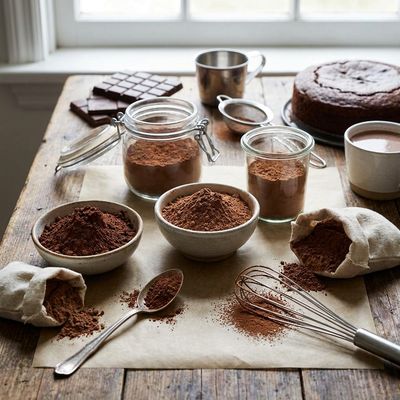
Cocoa powder is a pantry essential for chocolate flavour in baking, cooking, and drinks. This guide covers what it is, how to select the best type, how to use it effectively, reliable substitutes, and how to store it to maintain freshness.
Similar Recipes to Try
A Complete Guide to Reducing Liquids for Intense Flavor
Nutmeg: Uses, Substitutes, and How to Store It
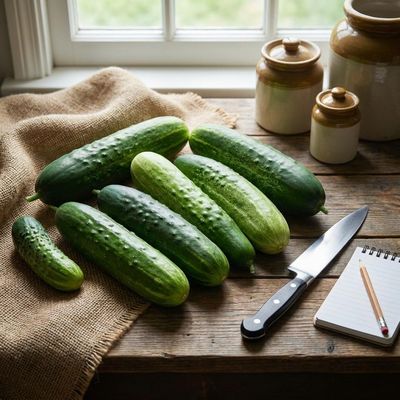
Cucumber: Uses, Substitutes, and How to Store It
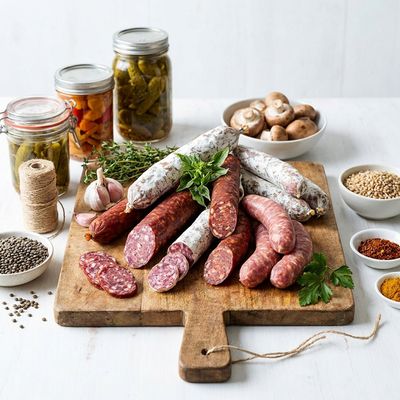
Sausage: Uses, Substitutes, and How to Store It

How to Tell if Fish is Fresh: A Seafood Buying Guide
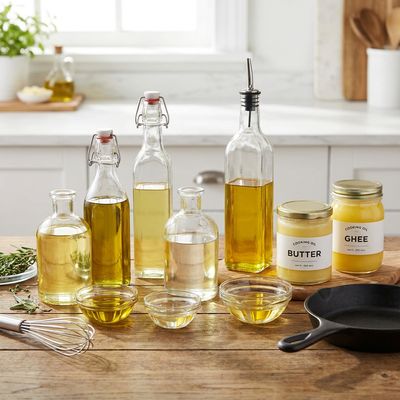
The Best Cooking Oil Substitutes for High-Heat vs. Cold Dishes

The Ultimate Guide to Essential Knife Skills for Beginners
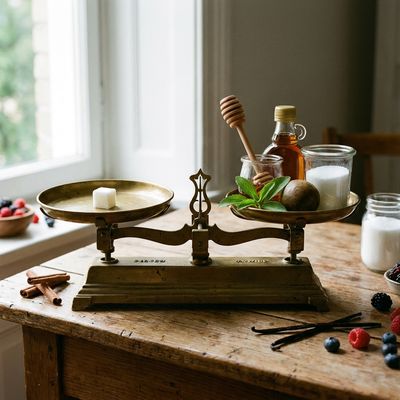
How to Substitute Sugar: A Guide to Natural and Low-Calorie Sweeteners
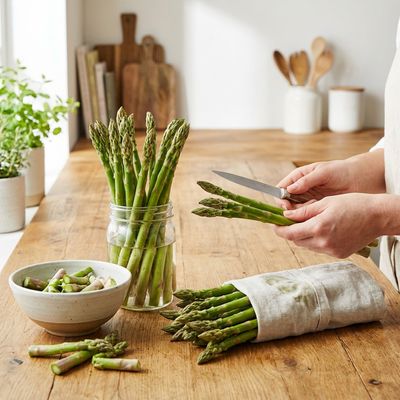
How to Prep and Store Asparagus to Keep It Crisp
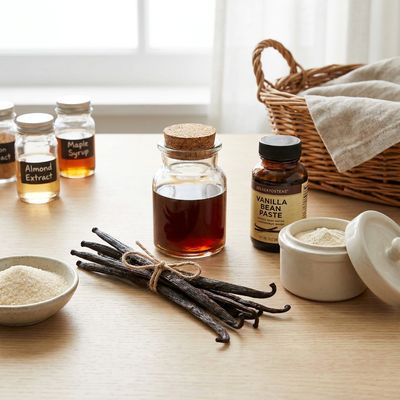
Vanilla: Uses, Substitutes, and How to Store It
Comments
(0)Sign in to leave a comment.
You Might Like

Ad Space Available
Be the first to leave a comment.