The Fifth Taste Explained
Umami, a Japanese word meaning "delicious savory taste," was identified in 1908 by chemist Kikunae Ikeda. Unlike sweet, sour, salty, and bitter, umami is the sensation of tasting glutamates—amino acids that occur naturally in many foods. When these amino acids hit specific receptors on your tongue, they signal to the brain that the food is protein-rich and satisfying.
The Power of Flavor Synergy
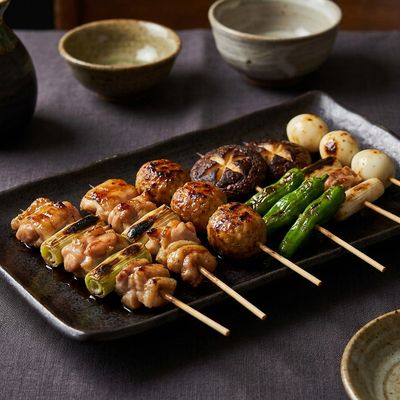
One of the most important concepts in food science is umami synergy. While glutamates provide the base savory note, two types of nucleotides—inosinate (found in meats) and guanylate (found in mushrooms)—act as amplifiers. When you combine an ingredient rich in glutamates with one rich in these nucleotides, the perceived intensity of the flavor is not just added together; it is multiplied exponentially. This is why meat and mushrooms or fish and seaweed taste so much better together.
Finding Umami in Nature
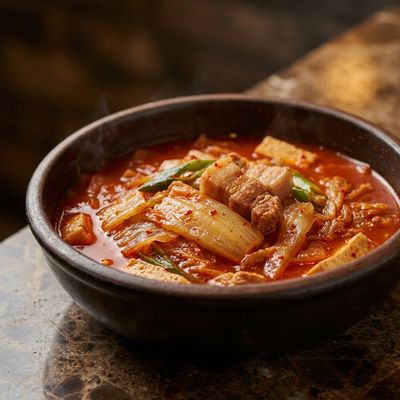
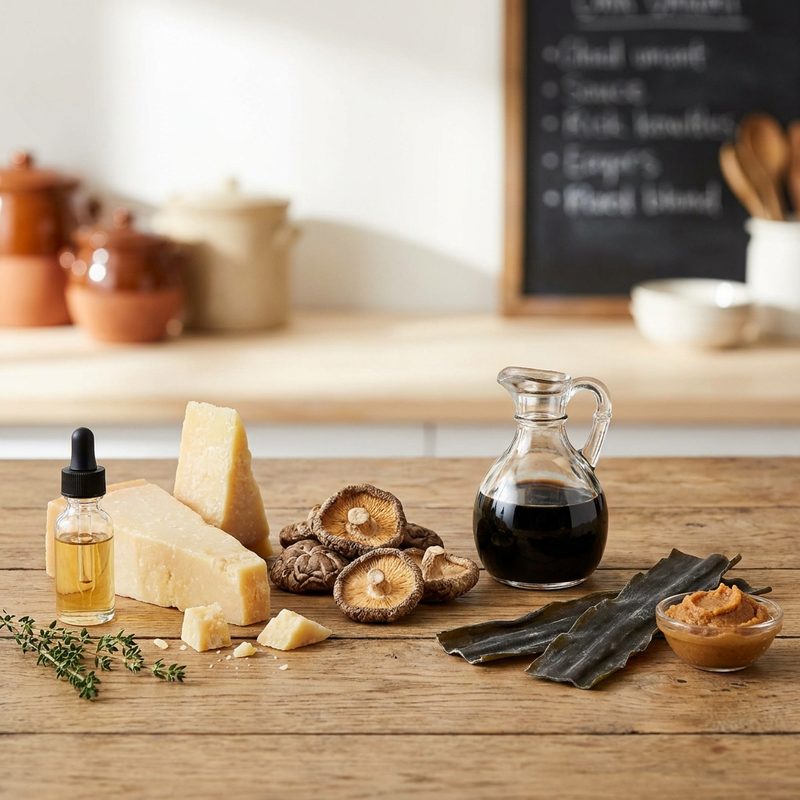
You don't need synthetic additives to boost umami. High concentrations of glutamates are found in sun-ripened tomatoes, dried shiitake mushrooms, kombu (seaweed), and aged cheeses like Parmigiano-Reggiano. Fermentation also unlocks umami, which is why soy sauce, miso paste, and fish sauce are such powerful tools for adding depth to a dish without adding weight.
Using the Maillard Reaction
Cooking techniques play a huge role in developing savory flavors. The Maillard reaction is a chemical reaction between amino acids and reducing sugars that gives browned food its distinctive flavor. By properly searing your meat or roasting vegetables until they are deeply caramelized, you are essentially creating complex umami compounds that didn't exist in the raw state. This is why a seared steak is more satisfying than a boiled one.
How to Layer Savory Flavors
To improve your cooking, start layering these elements from the beginning. Sauté tomato paste until it turns brick red to concentrate its glutamates. Add a splash of soy sauce or a small amount of anchovy paste to stews—not to make them taste like fish, but to provide a background hum of savoriness. Always finish with a sprinkle of aged cheese or a dash of toasted sesame oil to hit those final savory receptors.
Key Takeaways
- ✓ <html><ul><li>Save your Parmesan rinds and toss them into simmering stocks or bean soups for an instant savory boost.</li><li>Use a small amount of fish sauce in non-Asian dishes like beef stew or chili to enhance the meatiness.</li><li>Mushrooms are 'umami sponges'; sautéing them until all moisture is evaporated concentrates their savory compounds.</li><li>If a dish tastes flat but isn't lacking salt or acid, it likely needs a boost of umami via tomato paste or liquid aminos.</li></ul></html>