Step 1: Prep Your Cheese and Workspace
Start with a high-quality wedge of Parmigiano-Reggiano or a domestic Parmesan. Ensure the cheese is well-chilled; cold cheese is much firmer and resists clumping or melting under the friction of grating. Ideally, refrigerate the wedge for at least 30 minutes before grating. Set up your workspace with a clean cutting board or a wide bowl to catch the cheese, ensuring your tools are dry and stable. A damp paper towel placed under the cutting board prevents slipping. If the cheese feels tacky or soft, return it to the fridge for 10 more minutes. For a 1-cup yield, start with a 4-ounce wedge.
Step 2: Using a Microplane for Light Textures
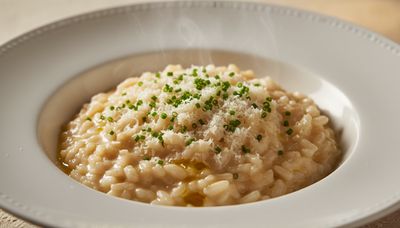
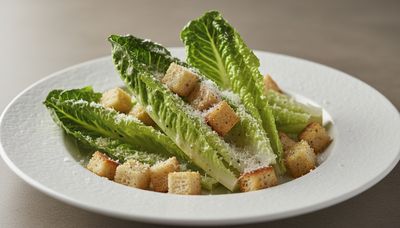
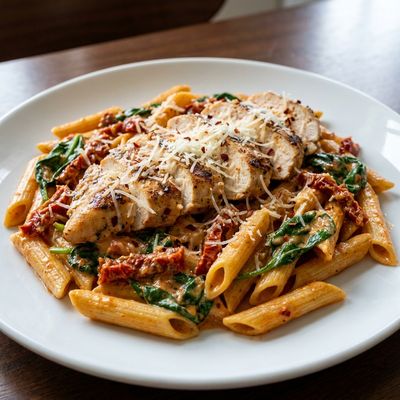
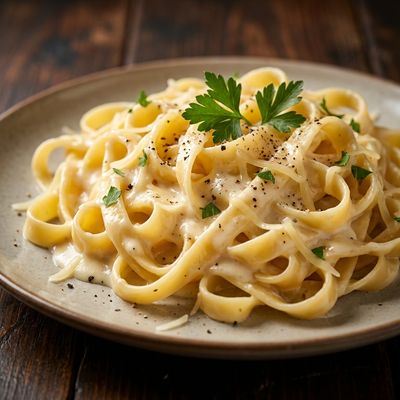
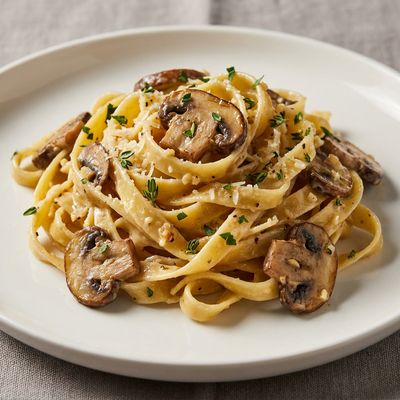
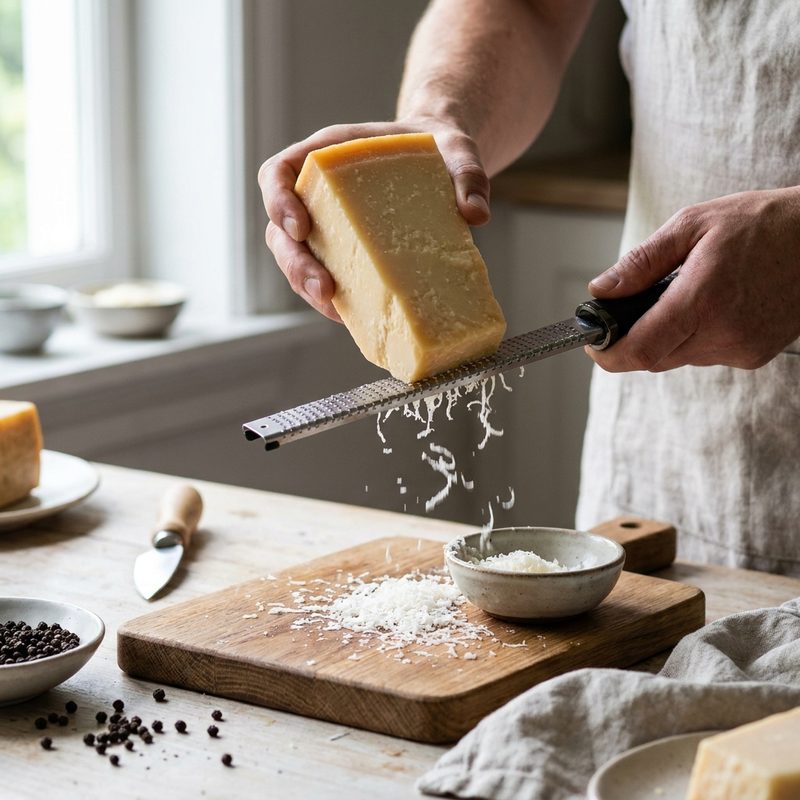
For delicate, snow-like wisps that melt instantly on hot pasta or salads, a Microplane zester is the gold standard. Hold the Microplane at a 45-degree angle or rest it flat over a bowl. Glide the cheese wedge across the blades in long, steady motions using light pressure. This method creates the most surface area, maximizing the cheese's aromatic qualities. You should hear a soft, consistent rasping sound; if it squeaks, the cheese is too warm. Aim for strokes that are 4–6 inches long, applying just enough pressure to feel the blades bite. The resulting texture should resemble fine, fluffy snow. If the cheese starts to clump on the blade, wipe it clean with a dry cloth. For a 1/2 cup of grated cheese, expect about 2–3 minutes of steady grating. This texture is ideal for tossing with hot pasta (1 tablespoon per serving) or sprinkling over a Caesar salad (2 tablespoons per salad).
Step 3: The Box Grater for Versatility
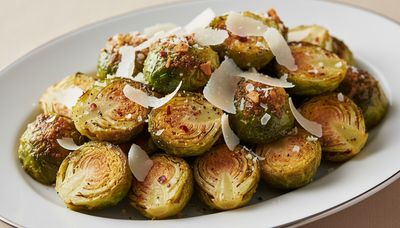
Use the small holes on a box grater for traditional shreds. Position the grater firmly on a flat surface, with a bowl underneath to catch the cheese. Hold the cheese wedge at the rind and use long, downward strokes, starting at the top of the grater and pulling all the way down. Apply firm, even pressure—about 5–7 pounds of force—to create uniform shreds about 1/8 inch thick. You should feel a slight resistance as the cheese passes through the holes; if it crumbles, the cheese is too cold or the blade is dull. For a 1-cup yield, grate for about 4–5 minutes. If you need larger flakes for a Caesar salad, use the 'slicing' side of the box grater, applying firm pressure to create thin, wide shards about 1/4 inch wide and 1–2 inches long. This side requires a more angled stroke—hold the cheese at a 30-degree angle to the blade. The resulting shards should be translucent and curl slightly. If they break, reduce pressure or chill the cheese further.
Step 4: Using a Food Processor for Bulk Prep
When prepping for a large gathering or making pesto, use a food processor. Cut the cold cheese into one-inch cubes, ensuring they are uniform in size for even grating. Use the grating disk attachment for uniform shreds, or use the standard 'S' blade and pulse the cubes until they reach a fine, sandy consistency. Be careful not to run the processor continuously, as the heat from the motor can soften the cheese. Pulse in 2-second bursts, pausing for 5 seconds between pulses. After 10–12 pulses, check the texture: it should resemble coarse sand, not paste. If you see clumps, the cheese is too warm; spread the grated cheese on a baking sheet and refrigerate for 5 minutes. For a 2-cup yield, process about 8 ounces of cubed cheese. This method is ideal for making pesto (use 1/2 cup grated cheese per 2 cups basil) or for topping a large lasagna (sprinkle 1/4 cup per layer).
Step 5: Hand-Grated Accents
If you don't have a grater, you can use a vegetable peeler to create elegant curls of Parmesan. Simply pull the peeler along the flat edge of the wedge, using a steady, even motion. Apply moderate pressure—about 3–5 pounds—to create curls that are 1/16 inch thick and 2–3 inches long. The peeler should glide smoothly; if it catches, the cheese is too soft or the blade is dull. These ribbons are perfect for garnishing carpaccio, arugula salads, or sophisticated appetizers. For a single serving, create 6–8 curls. If the curls break, try a different angle—hold the peeler at a 45-degree angle to the wedge. For a more dramatic presentation, use a mandoline set to 1/8 inch thickness, but be careful of the blade. These curls add a nutty, salty accent without overwhelming the dish.
Key Takeaways
- ✓ <html><ul><li>Always grate your cheese cold to ensure clean cuts and prevent sticking.</li><li>Do not toss the rind! Save Parmesan rinds in the freezer to add umami depth to soups, stews, and marinara sauces.</li><li>Grate only what you need for the meal; freshly grated cheese loses its moisture and aroma quickly compared to a solid wedge.</li><li>Use a pastry brush or a clean toothbrush to easily remove stubborn cheese particles from the teeth of your grater.</li></ul></html>