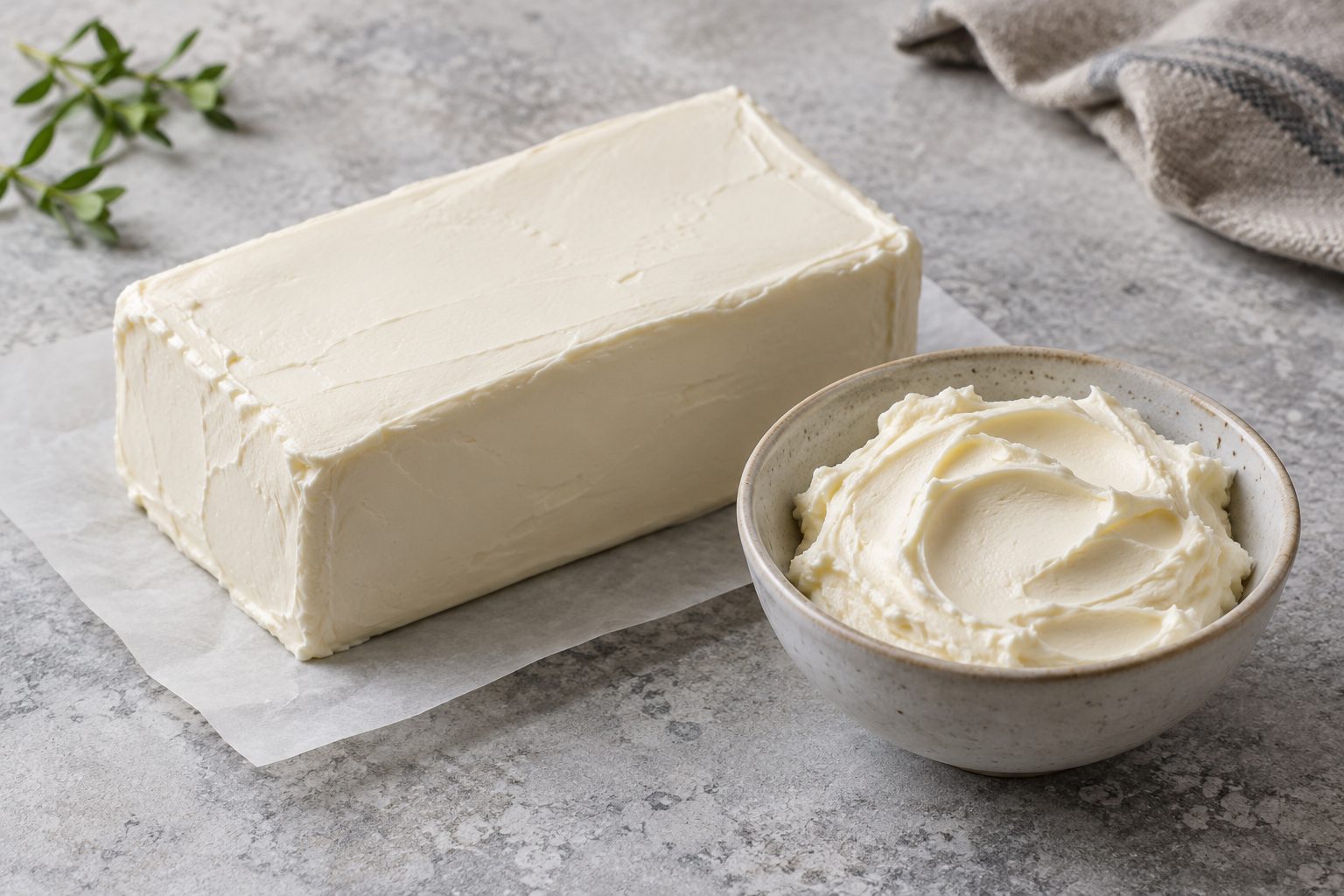
Recipe Details
"This cream cheese guide starts with the form you have. It explains how to choose the right option for a recipe, handle it safely and store it without sacrificing quality. The advice is limited to the distinctions, techniques and storage rules supported by the checked sources."
Ingredients
| Qty | Item |
|---|---|
| Ingredient list coming soon. | |
How to Make Cream cheese: How to Choose, Use and Store It
What It Is and Which Form You Have
Cream cheese is a soft cheese and requires refrigeration. Frozen cream cheese becomes crumbly and is better reserved for cooking than for a smooth spread. Identify the form before following a recipe: related forms can differ in texture, concentration, heat tolerance or the job they do in a dish.
How to Choose It
Use these concrete cues at the shop and again before preparation. If a sealed product has no source-backed visual test, follow its label and reject damaged packaging rather than guessing from appearance alone.
How to Use It in Recipes
Let the intended technique decide the form. A finishing ingredient, a blended ingredient and one expected to hold its shape are not always interchangeable, even when their names are similar.
See Turkey and Cheddar Tortilla Pinwheels for a concrete Recipe.net example. See Crock Pot Buffalo Chicken Dip for a concrete Recipe.net example. See Cucumber Bites with Herbed Cream Cheese for a concrete Recipe.net example. See Slow Cooker Buffalo Chicken Chili for a concrete Recipe.net example. These recipes contain an exact cream cheese match in their saved instructions, so they are practical next steps rather than loosely related recommendations.
How to Choose a Substitute
Choose a replacement by function, not by appearance alone. Unless the checked sources state a conversion, adjust cautiously and expect a change in flavour, texture or cooking behaviour instead of assuming a universal ratio.
How to Store It
The USDA storage guidance lists about two weeks in the refrigerator for cream cheese. Cream cheese does not freeze well because freezing damages its texture. The storage table lists cream cheese for two weeks refrigerated and one month frozen. Keep perishable dairy products refrigerated and follow package handling instructions. Apply the instruction to the exact form and condition you have—whole, cut, opened, cooked or frozen. A storage window describes quality under the stated conditions; it never overrides clear signs of deterioration.
Common Mistakes to Avoid
The checked guidance agrees that cream cheese needs cold storage and that freezing damages its smooth texture, even though one storage table gives a one-month frozen quality window. Do not present a thawed, crumbly block as if it will spread like a fresh one; reserve it for a cooked use and continue to follow the package handling instructions.
Sources
- Does All Cheese Need to Be Refrigerated? (USDA Food Safety and Inspection Service)
- Food Storage for Safety and Quality (Colorado State University Extension)
Tips for Best Results
-
·
Read the recipe's full ingredient line before swapping cream cheese; the form and intended job matter.
-
·
Store cream cheese according to its current condition—unopened, opened, cut or cooked—not by one blanket rule.
-
·
Treat a missing ratio, temperature or storage period as unresolved instead of turning an estimate into a rule.
Frequently Asked Questions
What counts as cream cheese in this guide?
How do I choose cream cheese?
Can I substitute something else for cream cheese?
How should I store cream cheese?
What to Cook Next

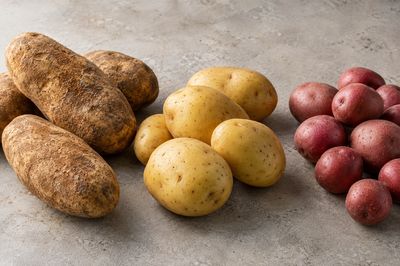
Next Recipe
Potatoes: How to Choose, Use and Store It
This potatoes guide starts with the form you have. It explains how to choose the right option for a recipe, handle it safely and store it without sacrificing quality. The advice is limited to the distinctions, techniques and storage rules supported by the checked sources.
Similar Recipes to Try
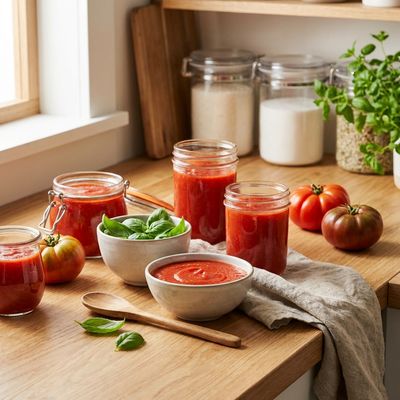
Tomato Puree: Uses, Substitutes, and How to Store It
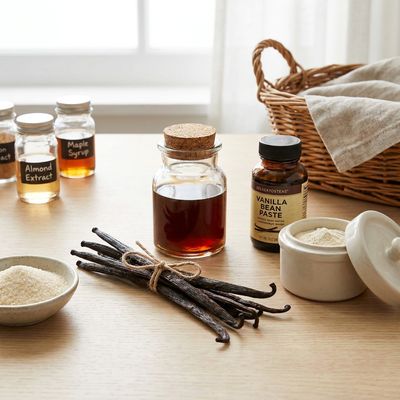
Vanilla: Uses, Substitutes, and How to Store It
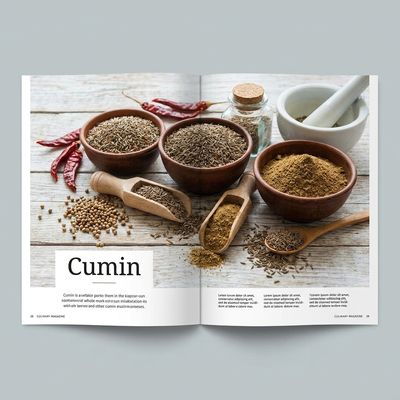
Cumin: How to Choose, Use and Store It
Lettuce: Uses, Substitutes, and How to Store It

Dried Oregano: Uses, Substitutes, and How to Store It
Gochujang: Uses, Substitutes, and How to Store It
The Best Way to Store Different Types of Baked Goods
Espresso: Uses, Substitutes, and How to Store It
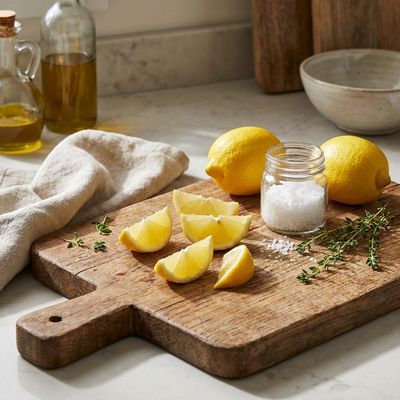
Lemon Wedges: Uses, Substitutes, and How to Store It
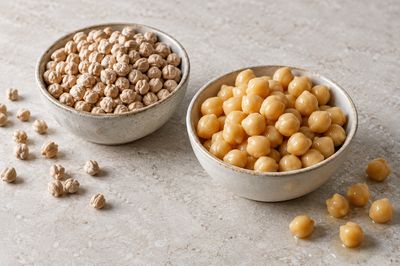
Chickpeas: How to Choose, Use and Store It
Comments
(0)Sign in to leave a comment.
You Might Like

Ad Space Available
Be the first to leave a comment.