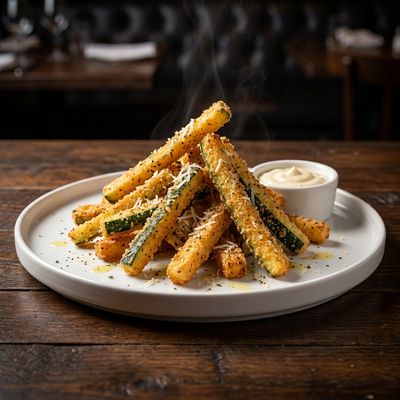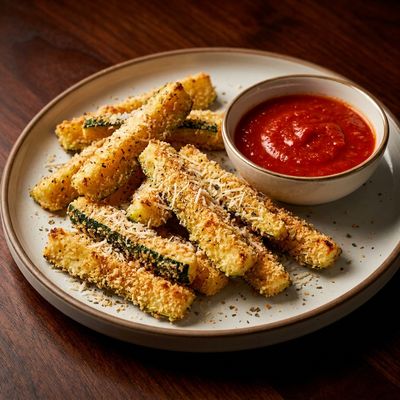
What Zucchini Is
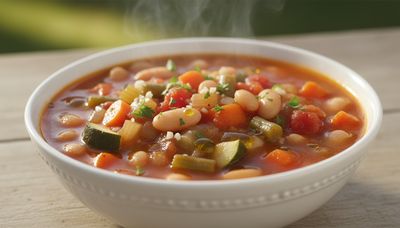
Zucchini is a type of summer squash (Cucurbita pepo) that originated in the Americas but was developed into its modern form in Italy. It is harvested while still immature, so its skin is tender and edible, and its seeds are small and soft. Zucchini has a mild, slightly sweet flavor and a high water content (about 95%), which affects how it behaves in cooking. For example, when sautéing, the water releases and steams the zucchini, so you must work in batches to avoid overcrowding; a single layer in a 12-inch skillet holds about 4 cups of sliced zucchini (roughly 2 medium). The high water content also means that zucchini absorbs less oil than eggplant—expect to use 1–2 tablespoons of oil per pound (450 g) versus 3–4 tablespoons for eggplant. If you are making a sauce or soup, you can leverage this water: 1 pound of diced zucchini releases about 1/2 cup of liquid when cooked, which can thin a tomato sauce or form the base of a summer minestrone.
How to Choose Zucchini
Look for zucchini that are firm, glossy, and free of soft spots or nicks. Smaller zucchini (6–8 inches long) tend to be more tender and have fewer seeds, while larger ones can be woody and watery. The skin should be bright green without wrinkling; a dull or wrinkled surface indicates age. Avoid any that feel limp or have cuts, as they will spoil faster. For the best texture, pick zucchini that feel heavy for their size—this indicates freshness. If you find zucchini with the blossom still attached (common at farmers' markets), it should be dry and brown, not mushy or moldy. Scratch the skin gently with a fingernail: a fresh zucchini will show a light green line that doesn't weep water. If the skin is tough enough to resist scratching, the zucchini is overmature and likely pithy inside. For recipes that require a lot of zucchini (e.g., 4 cups shredded for fritters), buy about 2 pounds (900 g) total; after trimming and squeezing, you'll net roughly 1.5 pounds.
How to Use Zucchini in Cooking
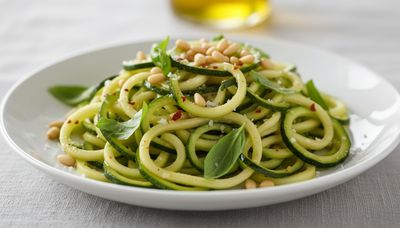
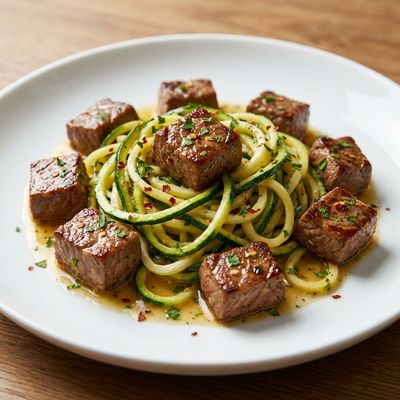
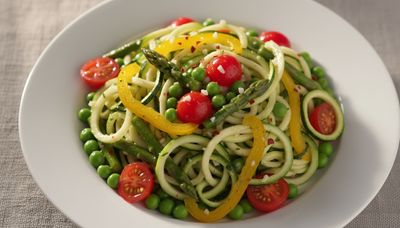
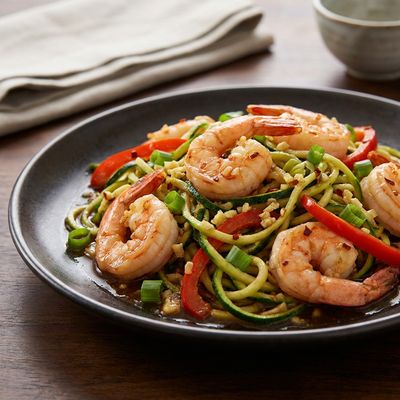
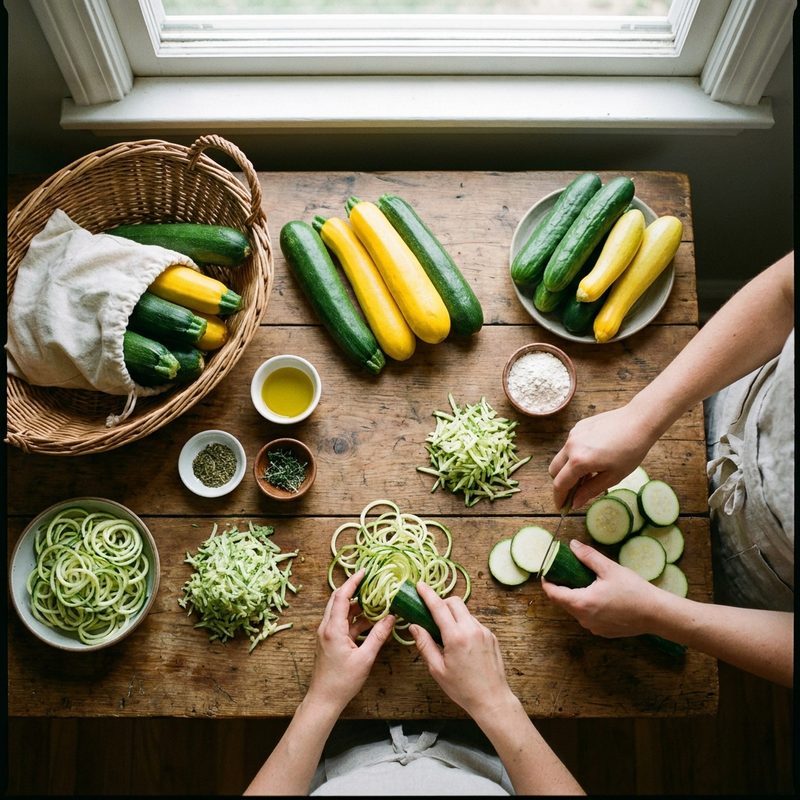
Zucchini can be eaten raw in salads or slaws, but it is most commonly cooked. For grilling, slice lengthwise into 1/2-inch planks, brush with oil, and cook over medium-high heat for 3–4 minutes per side. To prevent sticking, ensure the grill grates are clean and oiled; avoid moving the zucchini until it releases easily—if it sticks, it needs another 30 seconds. For roasting, cut into 1-inch chunks, toss with oil and salt, and roast at 425°F (220°C) for 20–25 minutes, flipping halfway. The chunks should be golden on the edges but still slightly firm; if they are limp, reduce time by 2–3 minutes. For sautéing, slice into half-moons or dice and cook in a hot pan with oil for 5–7 minutes until just tender. A critical failure mode: if you add salt too early, the zucchini will release water and boil rather than brown. Salt only after the first 3 minutes of cooking. If baking (e.g., in zucchini bread), grate the zucchini and squeeze out excess moisture using a clean kitchen towel—this prevents a soggy texture. Use 1 cup of grated, squeezed zucchini per loaf. To squeeze, place the grated zucchini in the center of a thin, clean kitchen towel, gather the ends, and twist firmly over the sink. A 1-pound zucchini yields about 2 cups grated, and after squeezing you'll have about 1 1/4 cups. For fritters, the same squeeze technique is essential; otherwise, the batter will be too loose to hold its shape. For spiralizing, choose medium zucchini (7–8 inches) and spiralize into noodles; sauté in a hot pan with 1 tablespoon oil for 2–3 minutes only—overcooking turns them to mush.
Substitutes for Zucchini
1. Yellow summer squash: Use 1:1 by weight or volume. It has a slightly firmer texture and a milder flavor, but works identically in most recipes. In a gratin, you may need to add 1–2 extra minutes of baking time because yellow squash holds its structure slightly longer. 2. Cucumber: Use 1:1 in raw applications like salads or cold soups. Cucumber is crunchier and more watery, so it should not be cooked. For a raw salad, peel if the skin is thick or waxed; English cucumbers work best. 3. Eggplant: Use 1:1 by weight, but note that eggplant is more absorbent and has a slightly bitter edge. Salt eggplant slices for 20 minutes and pat dry before cooking to reduce bitterness and excess moisture. For grilled recipes, substitute 1/2-inch eggplant slices for zucchini planks but increase oil by 1 tablespoon per pound (eggplant soaks it up). For sautéing, expect eggplant to cook in 8–10 minutes rather than 5–7. 4. Chayote: Use 1:1 in cooked dishes; it has a firmer, crunchier texture and mild flavor. Peel chayote before using, as the skin is tough. 5. Green bell pepper: In stir-fries or sautés, dice and use 1:1 by volume; flavor is more vegetal and less sweet, so add a pinch of sugar if needed.
How to Store Zucchini
Store whole, unwashed zucchini in the refrigerator in a perforated plastic bag or the crisper drawer. It will keep for 5–7 days. Do not wash until just before use, as moisture encourages mold. For longer storage, freeze: wash, slice or grate, blanch in boiling water for 1 minute, then plunge into ice water, drain, and pack in freezer bags. Frozen zucchini lasts 8–10 months and is best for baking or soups, not for fresh eating. To prevent freezer burn, squeeze out as much air as possible from the bag (use a straw to suck out remaining air). Zucchini does not store well at room temperature; it will begin to soften within 2 days. If you have cut zucchini, wrap tightly in plastic wrap and use within 1–2 days; the cut surface will oxidize slightly (turning light brown), which is harmless but should be trimmed. For grated zucchini, measure into 1-cup portions before freezing; label with the date and intended use (e.g., "bread" or "fritters"). Thaw in the refrigerator overnight or in a bowl of cool water for 30 minutes; do not thaw in the microwave as it will cook and become mushy.
Common Mistakes
1. Not removing excess moisture before baking. Grated zucchini that is not squeezed dry will make breads, muffins, and fritters soggy. Always squeeze out as much liquid as possible. For fritters, after squeezing, also blot with paper towels to remove remaining surface moisture; otherwise the batter will be too wet to hold together and won't crisp. 2. Overcooking until mushy. Zucchini cooks quickly—sauté for only 5–7 minutes, and roast until just tender but not collapsing. If you are adding zucchini to a soup or stew, add it in the last 10 minutes of simmering; if boiled longer, it will disintegrate. For grill marks, do not flip more than once; flipping repeatedly breaks the structure. 3. Storing zucchini in a sealed plastic bag without holes. This traps ethylene gas and moisture, causing rapid spoilage. Use a perforated bag or leave the bag slightly open. Alternatively, wrap each zucchini individually in a paper towel before placing in the bag to absorb excess moisture; replace the paper towel if it becomes damp. 4. Cutting zucchini too small for roasting: pieces smaller than 1/2 inch burn before they soften—aim for 1-inch chunks. For even cooking, rotate the pan on the middle rack halfway through. 5. Adding salt too early when sautéing: salt draws out water, turning the pan into a steamer. Season only after the zucchini has browned (about 3 minutes in). For a quick check: if you see liquid pooling in the pan, you added salt too early; drain the liquid and continue cooking over higher heat to re-crisp.
Key Takeaways
- ✓ <ul><li>For the best texture, salt sliced zucchini and let it sit for 10 minutes, then pat dry before cooking—this draws out excess moisture.</li><li>Add zucchini to stir-fries at the very end of cooking to keep it crisp-tender.</li><li>Use a mandoline to slice zucchini into even ribbons for lasagna or raw salads.</li><li>If you have a bumper crop, grate and freeze in 1-cup portions for easy use in baking all winter.</li></ul>