Recipe Details
"Lemon wedges are a simple yet essential kitchen tool for adding bright citrus flavor to dishes and drinks. This guide covers how to choose, use, substitute, and store them properly to maximize freshness and taste."
Ingredients
| Qty | Item |
|---|---|
| Ingredient list coming soon. | |
How to Make Lemon Wedges: Uses, Substitutes, and How to Store It
What Lemon Wedges Is
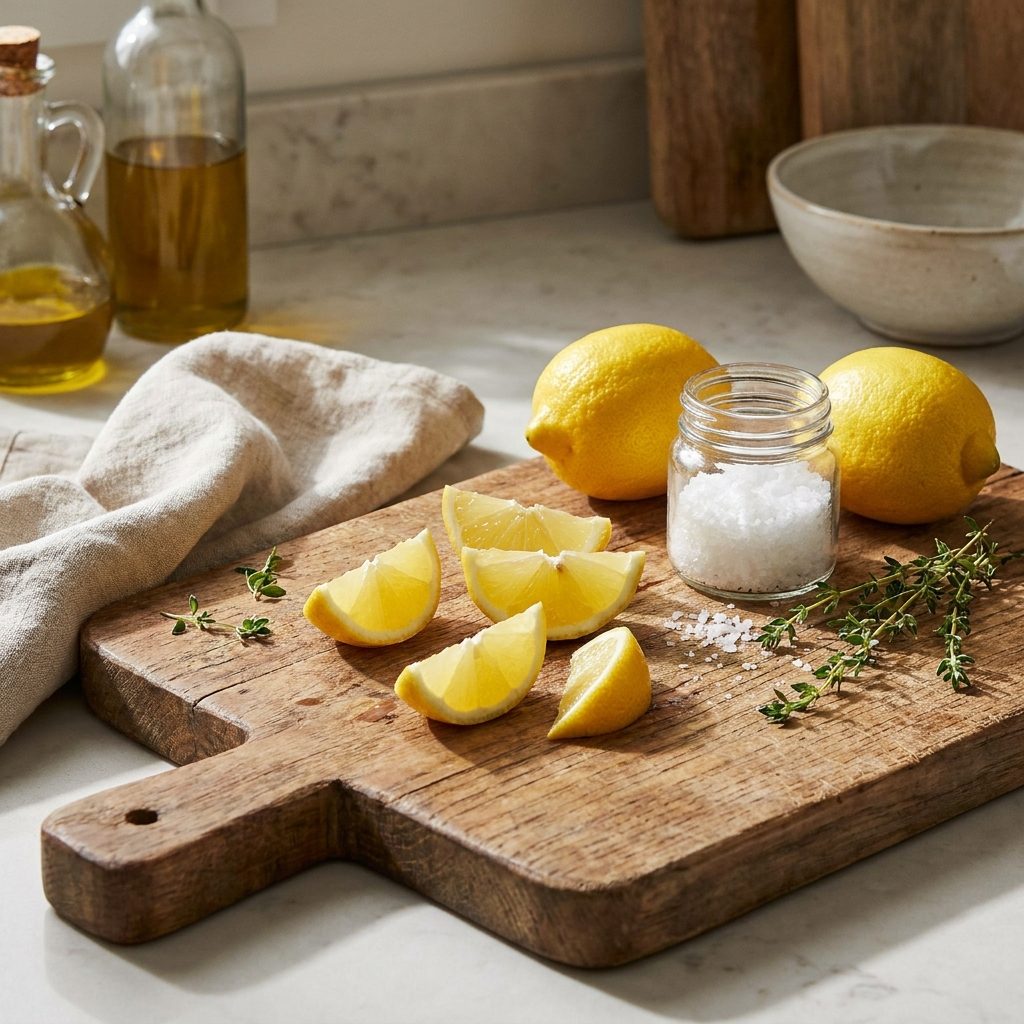
Lemon wedges are simply a lemon cut into wedge-shaped pieces, typically from a whole lemon sliced into 6 to 8 segments. They are used as a garnish, a flavor enhancer, and a source of fresh lemon juice that can be squeezed over food or into beverages. The wedge includes both the flesh and the peel, allowing for easy squeezing and a burst of citrus aroma. For a standard lemon weighing about 100–120 grams, each wedge yields roughly 1 to 2 teaspoons of juice (5–10 ml). The peel contains essential oils that add fragrance when twisted or rubbed. Wedges cut into 6 pieces are larger and ideal for cocktails like gin and tonic, while 8 wedges are better for smaller garnishes on plates or in water glasses.
How to Choose Lemon Wedges
When selecting lemons for wedges, look for fruits that are firm, heavy for their size, and have smooth, bright yellow skin without blemishes or soft spots. A lemon that yields slightly to gentle pressure is ripe and juicy. Avoid lemons with wrinkled skin or green patches, as they may be underripe or overripe. For the best flavor, choose organic lemons if you plan to use the peel in cooking or garnishing. A ripe lemon should feel dense—if it feels light, it may be dry inside. The ideal weight for a medium lemon is about 100–120 grams. Lemons with thin skin (like Eureka or Lisbon varieties) are easier to juice and have fewer seeds. Meyer lemons, which are sweeter and less acidic, can be substituted but will produce a milder tartness; use a 1:1 ratio but expect a less sharp flavor.
How to Use Lemon Wedges in Cooking
Lemon wedges are most commonly used as a finishing touch: squeeze the wedge over grilled fish, roasted vegetables, salads, or pasta just before serving to brighten flavors. To extract the most juice, roll the lemon firmly on a countertop for 10–15 seconds before cutting, and cut off the stem end to expose more flesh. For a classic garnish, place a wedge on the rim of a glass for drinks like iced tea, water, or cocktails. In cooking, you can also use wedges to rub the cut side over a grill grate before cooking fish or chicken to add subtle citrus notes—this works best at medium-high heat (about 375–400°F). For a more intense flavor, squeeze the wedge directly onto the food during the last 2 minutes of cooking. In baking, lemon wedges are not typically used; instead, zest or juice is preferred. However, you can use a wedge to rub the inside of a pie dish before adding crust for a hint of lemon.
Substitutes for Lemon Wedges
If you don't have lemon wedges, try one of these swaps: 1) Lime wedges: use a 1:1 ratio; they provide a similar tartness but with a slightly different floral note. Lime wedges are slightly more acidic (pH ~2.0 vs lemon's pH ~2.2), so adjust if needed. 2) Orange wedges: use a 1:1 ratio; they are sweeter and less acidic, so add a splash of vinegar or lemon juice to mimic the tang. For example, add 1/2 teaspoon of white vinegar per orange wedge. 3) Bottled lemon juice: use 1 tablespoon per wedge; it lacks the aromatic oils of the peel, so add a pinch of lemon zest if available. 4) Grapefruit wedges: use a 1:1 ratio; they are more bitter and less acidic, so combine with a squeeze of lime. Each substitute changes the flavor profile, so adjust seasoning accordingly. For cocktails, a lime wedge is the closest match; for desserts, orange wedges work better with added acid.
How to Store Lemon Wedges
Store whole lemons at room temperature for up to one week, or in the refrigerator for up to four weeks. Once cut into wedges, place them in an airtight container or wrap tightly in plastic wrap and refrigerate for up to 3 days. For longer storage, freeze lemon wedges on a baking sheet until solid (about 2–3 hours), then transfer to a freezer bag; they will keep for up to 3 months. Frozen wedges are best for juicing or cooking, as their texture softens upon thawing. To thaw, place in the refrigerator overnight or use directly in hot dishes. Do not refreeze thawed wedges. If storing cut wedges, remove any seeds first to prevent bitterness. For maximum freshness, add a damp paper towel to the container to maintain humidity.
Common Mistakes
1) Cutting wedges too large or too small: aim for 6 to 8 wedges per lemon. Too large and they are hard to squeeze; too small and they dry out quickly. A wedge that is too thick (over 2 cm at the widest point) will not release juice easily. 2) Storing cut wedges uncovered: exposure to air causes them to dry out and lose flavor within 2 hours. Always wrap or seal them tightly. 3) Using old, dried-out lemons: a lemon that feels light or has hard skin yields little juice. Always test for weight and firmness before cutting. A lemon that is too soft may be overripe and have off flavors. 4) Not removing seeds: seeds can add bitterness if crushed during squeezing. Remove visible seeds before serving. 5) Squeezing too aggressively: this can spray juice and pulp unevenly. Squeeze gently with the cut side facing the food. 6) Using wedges in place of zest: wedges do not provide the same concentrated flavor as grated zest; for baked goods, always use zest or juice separately.
Tips for Best Results
-
·
<ul><li>For juicier wedges, microwave the whole lemon for 10-15 seconds before cutting.</li><li>Cut off the pointed ends of the lemon before slicing to create flat surfaces that help the wedge sit upright.</li><li>Use a sharp knife to make clean cuts, which prevents crushing the flesh and losing juice.</li><li>If you only need the juice, roll the lemon firmly on the counter before cutting to break down internal membranes.</li></ul>
Frequently Asked Questions
How long do lemon wedges last in the fridge?
Can I freeze lemon wedges?
What is the best way to cut a lemon into wedges?
Can I use bottled lemon juice instead of fresh lemon wedges?
What to Cook Next




Next Recipe
Cocoa Powder: Uses, Substitutes, and How to Store It
Cocoa powder is a pantry essential for chocolate flavour in baking, cooking, and drinks. This guide covers what it is, how to select the best type, how to use it effectively, reliable substitutes, and how to store it to maintain freshness.
Similar Recipes to Try

Lemon Garlic Roasted Asparagus and Chicken
45 min
Lemon Pepper Air Fryer Chicken Thighs
32 min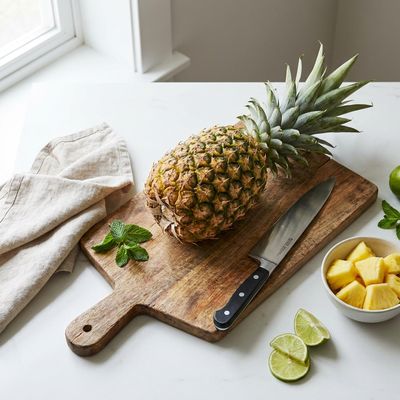
How to Cut a Pineapple: A Step-by-Step Guide

A Guide to Choosing the Best Cuts of Beef for Every Cooking Method

Cumin Seeds: Uses, Substitutes, and How to Store It

Coconut: Uses, Substitutes, and How to Store It

Carrots: Uses, Substitutes, and How to Store It

Sheet Pan Lemon Herb Salmon and Asparagus
25 min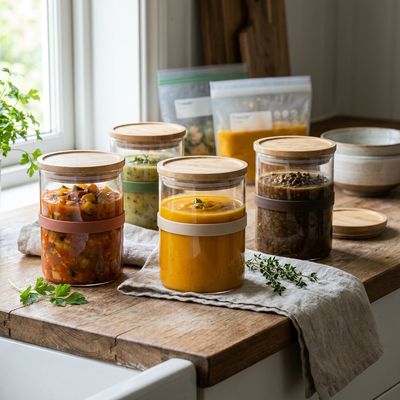
The Best Way to Store Leftover Soup and Stew

A Beginner's Guide to Buying and Using Different Types of Cooking Oils
Comments
(0)Sign in to leave a comment.
You Might Like



Ad Space Available
Be the first to leave a comment.