
Recipe Details
"Soy sauce is a kitchen staple, but dietary restrictions or a bare pantry often require a clever substitute. This guide explores the best alternatives for achieving that perfect umami balance while catering to gluten-free, soy-free, or low-sodium needs."
Ingredients
| Qty | Item |
|---|---|
| Ingredient list coming soon. | |
How to Make Soy Sauce Alternatives: Best Swaps for Salt, Flavor, and Gluten-Free Diets
Tamari: The Gluten-Free Gold Standard
Tamari is perhaps the most popular substitute for soy sauce, especially for those avoiding gluten. It is a byproduct of miso paste production and contains little to no wheat. In terms of flavor, tamari is richer, darker, and slightly less salty than standard soy sauce, making it an excellent 1:1 replacement in marinades and dipping sauces. Always check the label to ensure it is certified gluten-free, as some brands may still include trace amounts of wheat.
Coconut Aminos: The Soy-Free, Paleo Favorite
For those avoiding soy altogether, coconut aminos are the top choice. Made from the fermented sap of coconut palms and sea salt, this liquid is soy-free, gluten-free, and significantly lower in sodium. It has a thinner consistency and a distinct sweetness compared to soy sauce. Because it is less salty, you may need to add a pinch of sea salt to your dish to achieve the same savory depth. It works exceptionally well in stir-fries and salad dressings.
Liquid Aminos: The High-Protein Utility Player
Liquid aminos, such as the popular Bragg brand, are made from treated soybeans. They provide a salty, savory flavor profile very similar to traditional soy sauce but are generally gluten-free and contain naturally occurring essential amino acids. They are quite potent and salty, so they can be used in a strict 1:1 ratio. Note that while they are gluten-free, they are still derived from soy, so they are not suitable for those with soy allergies.
Worcestershire Sauce and Maggi Seasoning
If you are out of the specialized health-store options, Worcestershire sauce can act as a flavor booster in a pinch. It contains anchovies, vinegar, and tamarind, providing a complex savory profile. However, it is more pungent and less salty than soy sauce, so use it sparingly. Maggi Seasoning is another alternative common in European and Asian households; it is a vegetable-protein-based flavor enhancer that is incredibly salty and umami-rich, though it often contains wheat gluten.
The DIY Balsamic and Bouillon Hack
If your pantry is bare, you can mimic the depth of soy sauce by combining balsamic vinegar with beef or vegetable bouillon. Simmering balsamic vinegar reduces its acidity and enhances its sweetness, while the bouillon provides the necessary salt and savory notes. Mix 1 tablespoon of balsamic vinegar with 1 teaspoon of molasses and 1/4 cup of strong beef stock for a surprisingly effective emergency substitute in cooked dishes.
Tips for Best Results
-
·
<html><ul><li>Adjust salt levels manually: If using coconut aminos, add a pinch of salt to compensate for its lower sodium content.</li><li>Check for hidden gluten: Always verify that Worcestershire sauce or Maggi Seasoning labels do not contain malt vinegar or wheat if cooking for a Celiac diet.</li><li>Balance sweetness: Since many substitutes like coconut aminos or balsamic reductions are sweeter than soy sauce, add a splash of rice vinegar to balance the acidity.</li><li>Start with half: When using potent alternatives like Maggi or Liquid Aminos, start with half the recommended amount and taste as you go.</li></ul></html>
Frequently Asked Questions
Is Tamari always gluten-free?
What is the best soy-free alternative for a soy allergy?
Can I use fish sauce as a soy sauce substitute?
Does coconut aminos taste like coconut?
What to Cook Next




Next Recipe
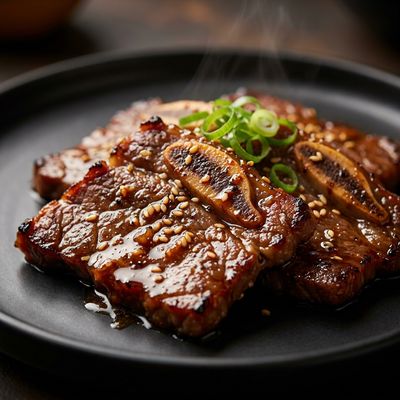
Korean Barbecue Marinade with Soy and Pear
Unlock the secret to restaurant-quality Korean BBQ with this traditional marinade featuring the natural tenderizing power of Asian pear. This savory-sweet sauce combines rich soy, nutty sesame, and aromatic ginger to create succulent grilled meats that melt in your mouth.
Similar Recipes to Try
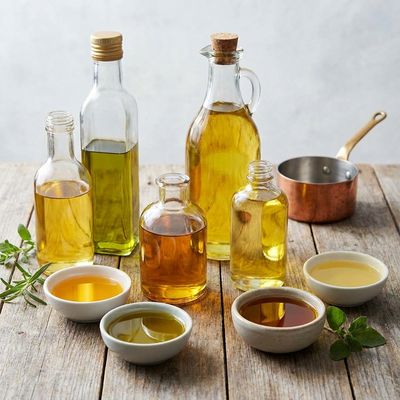
How Smoke Points Affect Your Cooking: A Guide to Choosing the Right Oil

Fresh vs. Dried Herbs: A Conversion and Substitution Guide

Sticky Toffee Pudding with Butterscotch Sauce
55 min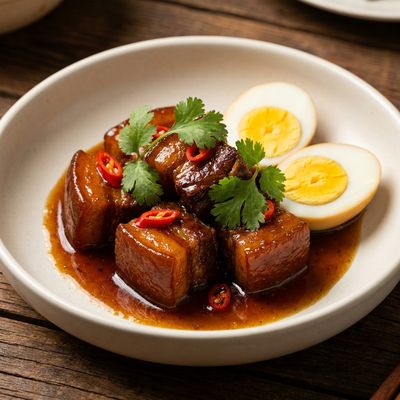
Vietnamese Caramel Pork
60 min
How to Make a Roux: The Essential Guide to Thickening Sauces
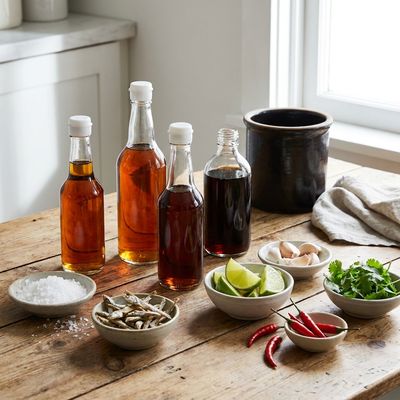
Fish Sauce: Uses, Substitutes, and How to Store It

Chicken Satay Skewers with Peanut Sauce
35 min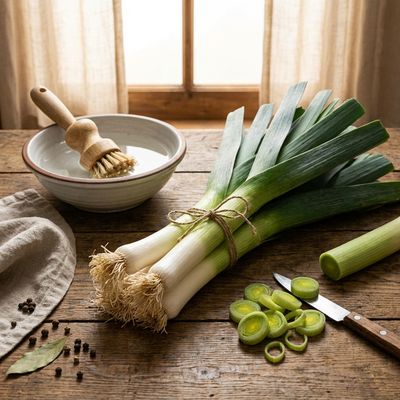
Why You Should Wash Your Leeks and How to Do It Properly
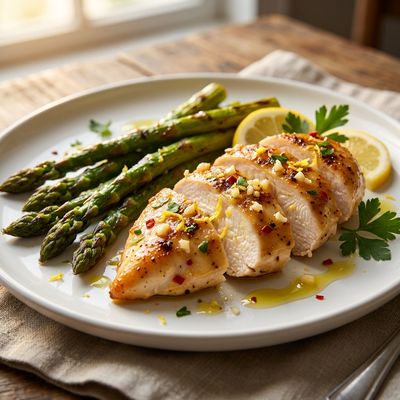
Lemon Garlic Roasted Asparagus and Chicken
45 min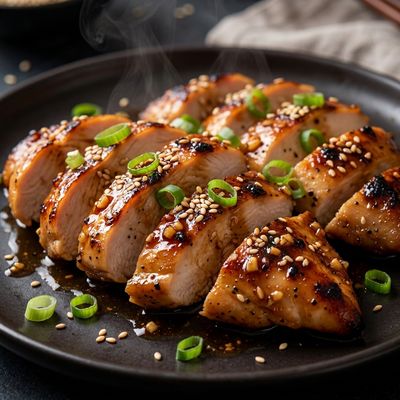
Chicken Bulgogi with Soy and Sesame
30 minComments
(0)Sign in to leave a comment.
You Might Like



Ad Space Available
Be the first to leave a comment.