Recipe Details
"Reduction is one of the most fundamental skills in professional cooking, transforming thin liquids into velvety, flavorful masterpieces. This guide explores the science and technique of simmering off water to concentrate flavor and body in your dishes."
Ingredients
| Qty | Item |
|---|---|
| Ingredient list coming soon. | |
How to Make A Complete Guide to Reducing Liquids for Intense Flavor
Understanding the Fundamentals
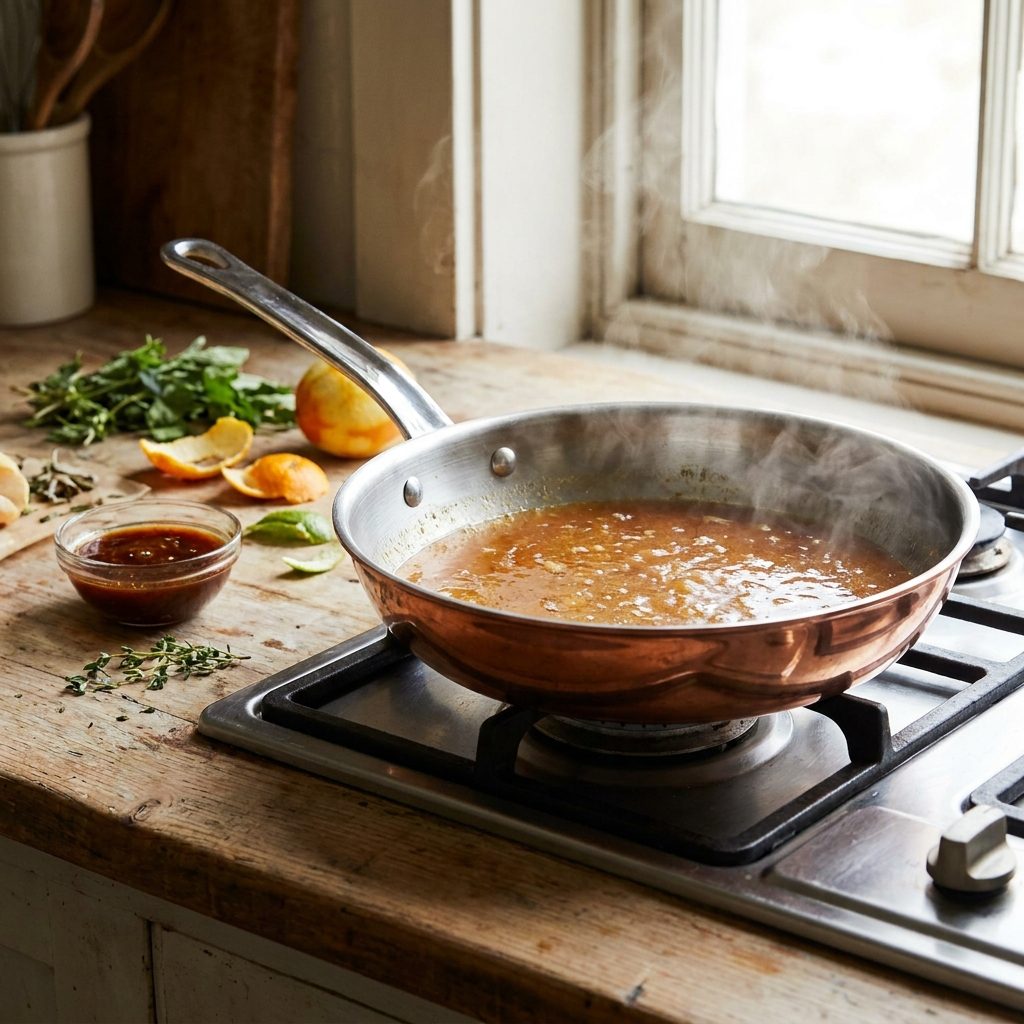
Reduction is the process of simmering or boiling a liquid such as stock, wine, or vinegar to evaporate water, which results in a thicker consistency and more concentrated flavor. As water molecules turn to steam and leave the pan, the remaining solids—sugars, proteins, and aromatic compounds—become more dense and flavorful.
Selecting the Right Cookware
To speed up the reduction process, choose a pan with a large surface area, such as a wide skillet or a saucier. A larger surface area allows more steam to escape simultaneously, significantly cutting down on cooking time compared to a narrow, deep pot. Avoid reactive metals like aluminum when reducing acidic liquids like wine or balsamic vinegar, as they can impart a metallic taste.
Controlling the Heat
While a rolling boil reduces liquid quickly, a gentle simmer is often preferred for delicate sauces to prevent the proteins from breaking or the sugars from scorching. Start with a medium-high heat to bring the liquid to a bubble, then adjust the heat to maintain a steady simmer where small bubbles break the surface consistently throughout the process.
Testing for the Perfect Consistency
The most common way to check your progress is the 'nappé' test. Dip a metal spoon into the liquid and draw your finger across the back of the spoon. If the line remains clear and the sauce doesn't run into the gap, you have achieved a proper coating consistency. Keep in mind that liquids thicken further as they cool, so stop slightly before your desired thickness.
Seasoning at the Final Stage
This is the most critical rule of reduction: never season with salt at the beginning. Because you are removing water, the salt concentration will increase dramatically as the volume decreases. Always wait until the liquid has reached its final volume before adjusting salt and acidity levels to ensure the dish isn't over-seasoned.
Tips for Best Results
-
·
<ul><li>Always use unsalted or low-sodium stocks to avoid an overly salty final product after the water evaporates.</li><li>If a sauce becomes too thick or 'broken,' whisk in a tablespoon of water or fresh stock to loosen and emulsify it.</li><li>Skim any foam or impurities that rise to the surface during the process for a clearer, shinier finish.</li><li>For a professional gloss, whisk in a cold pat of butter (monter au beurre) after removing the pan from the heat.</li></ul>
Frequently Asked Questions
What is the difference between simmering and boiling for reduction?
Can I reduce a liquid too much?
Why shouldn't I salt the liquid at the start?
How do I know when a sauce has reduced by half?
What to Cook Next
Next Recipe
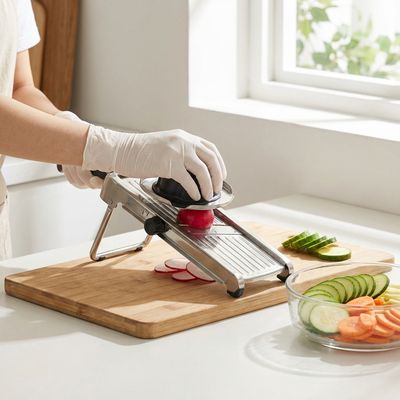
The Beginner's Guide to Using a Mandoline Slicer Safely
The mandoline is a powerful kitchen tool capable of producing paper-thin, uniform slices that even the best knife skills can't match. However, its razor-sharp blade demands respect and proper technique to ensure your fingers stay safe while you cook.
Similar Recipes to Try
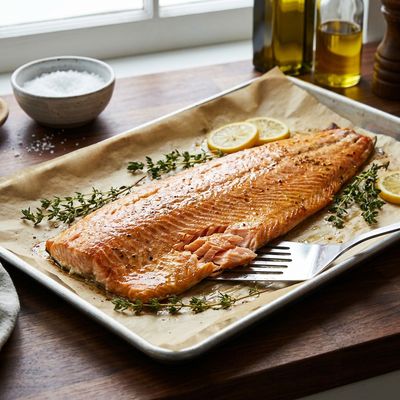
How To Bake Salmon
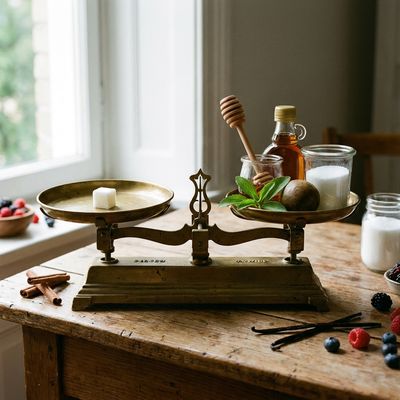
How to Substitute Sugar: A Guide to Natural and Low-Calorie Sweeteners
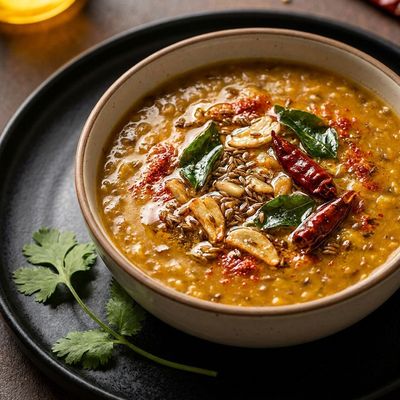
Tadka Tempering for Indian Dals
10 min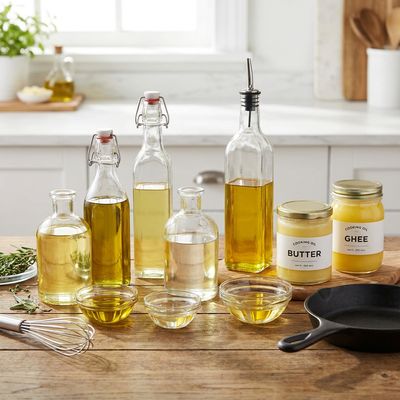
The Best Cooking Oil Substitutes for High-Heat vs. Cold Dishes
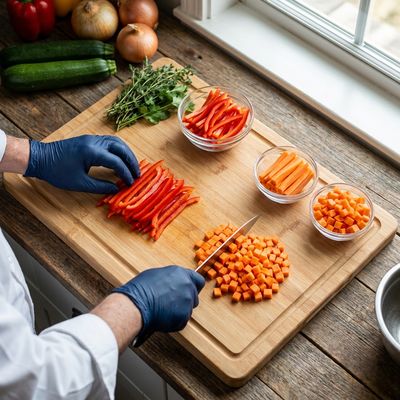
How to Julienne and Dice Vegetables Like a Professional Chef
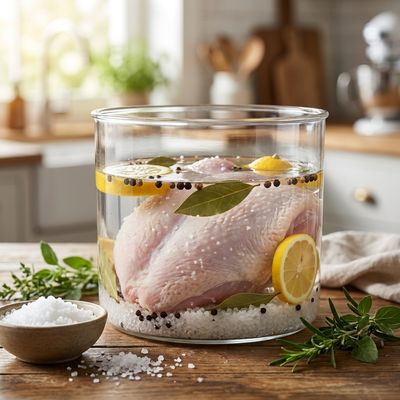
The Science of Brining: Why Salt Makes Meat More Tender and Flavorful
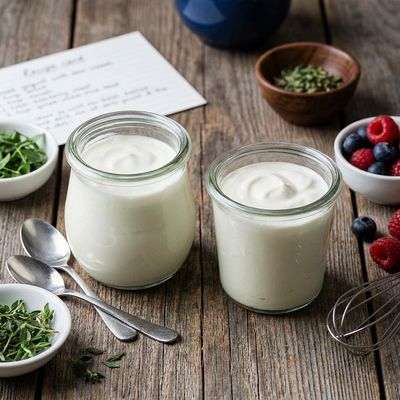
How to Substitute Greek Yogurt and Sour Cream in Any Recipe
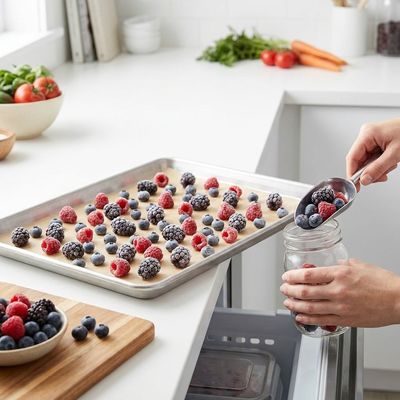
How to Freeze Fresh Berries Without Them Clumping Together
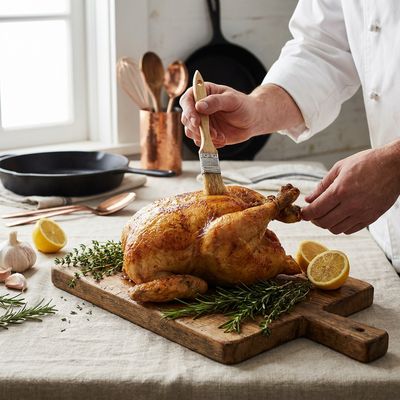
How To Roast Chicken
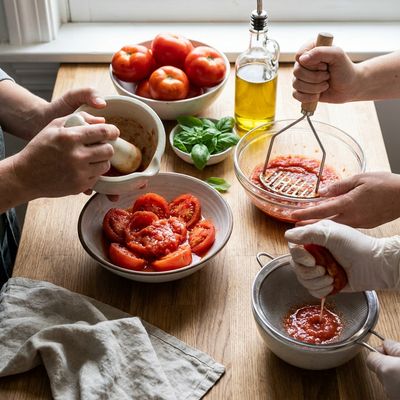
How to Crush Tomatoes
Comments
(0)Sign in to leave a comment.
You Might Like
Ad Space Available
Be the first to leave a comment.