Recipe Details
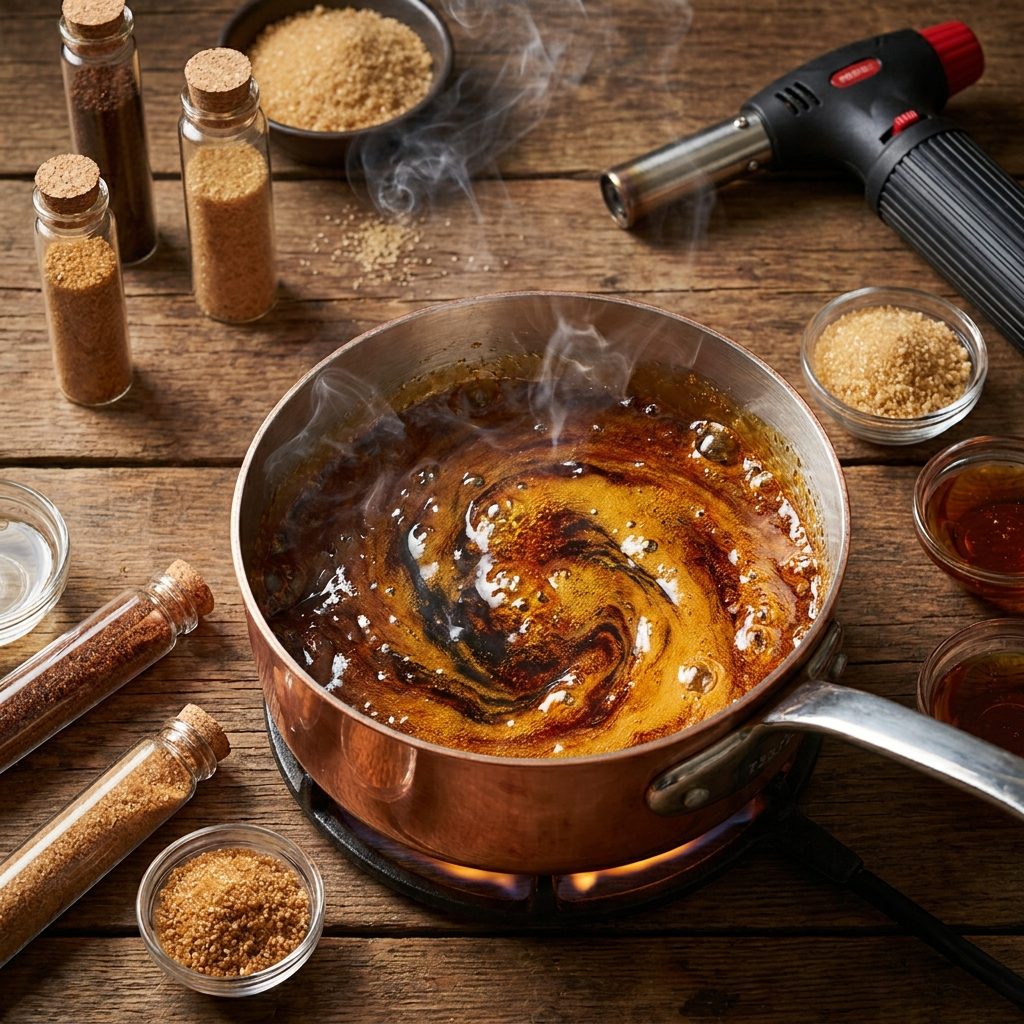
"Caramelization is one of the most transformative processes in the kitchen, turning simple, sweet sugar into a complex array of nutty, bitter, and savory flavors. By understanding the chemistry behind the heat, you can master everything from golden pralines to deep, savory sautéed onions."
Ingredients
| Qty | Item |
|---|---|
| Ingredient list coming soon. | |
How to Make How Caramelization Works: The Science of Cooking Sugar for Flavor and Color
Defining Caramelization
Unlike the Maillard reaction, which involves the interaction between proteins and sugars, caramelization is the pyrolysis of sugar alone. When sugar is heated to high temperatures (usually above 320°F/160°C), it undergoes a series of complex chemical reactions that break down the molecules and rearrange them into hundreds of new compounds. This process removes water and results in the characteristic brown color and rich aroma.
The Chemical Stages
The process begins with the melting of sugar crystals, followed by sucrose inversion where the sugar breaks into its component parts: glucose and fructose. As the heat continues to rise, condensation occurs, and oxygen is introduced. This leads to the development of 'caramelan,' 'caramelene,' and 'caramelin'—the specific polymers responsible for the deep amber and brown colors we associate with caramel.
The Development of Flavor
As the sugar molecules break down, they create a vast array of volatile aromatic compounds. These include diacetyl, which provides a buttery taste; esters and lactones, which contribute fruity notes; and furans, which offer a nutty profile. As the process continues toward the 'dark' stage, the sweetness decreases and bitterness increases, adding complexity and depth to the final product.
Temperature Thresholds and Sugar Types
Not all sugars behave the same way under heat. Fructose, the sugar found in fruit and honey, begins to caramelize at a relatively low temperature of 230°F (110°C). In contrast, sucrose (standard table sugar) and glucose require temperatures around 320°F (160°C). Maltose, the sugar found in grains, requires the highest heat at approximately 350°F (180°C). Knowing these thresholds helps cooks manage browning when working with different ingredients.
Tips for Best Results
-
·
<html><ul><li>Use a heavy-bottomed stainless steel pan to ensure even heat distribution and to make the color changes easier to see.</li><li>Try the 'wet method' by adding a little water to your sugar; this helps it dissolve evenly and reduces the risk of burning parts of the sugar before others melt.</li><li>Add a tiny amount of acid, such as lemon juice or cream of tartar, to prevent the sugar from recrystallizing into a grainy mess.</li><li>Always stop the cooking process slightly before your target color is reached, as carry-over heat will continue to darken the caramel for a few moments.</li></ul></html>
Frequently Asked Questions
What is the difference between caramelization and the Maillard reaction?
Why does my caramel sometimes turn out grainy?
At what temperature does table sugar caramelize?
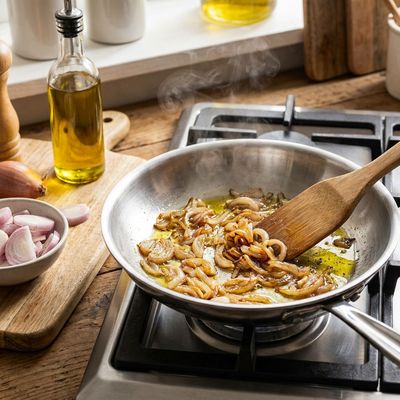
Do onions actually caramelize?
What to Cook Next
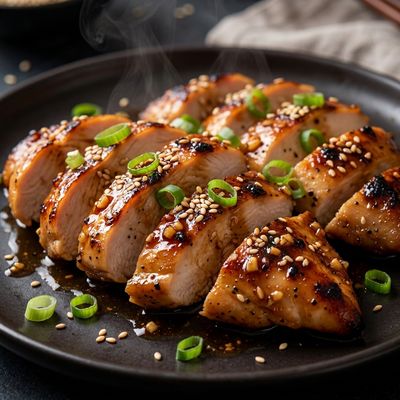
Next Recipe
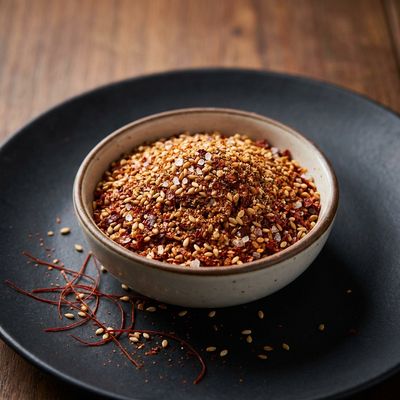
Homemade Gochugaru Chilli Seasoning
This vibrant, multi-layered seasoning blend captures the iconic smoky heat of Korean red pepper flakes balanced with savory garlic and toasted sesame. It is the ultimate pantry staple for elevating everything from simple rice bowls to complex marinades with a punch of umami.
Similar Recipes to Try
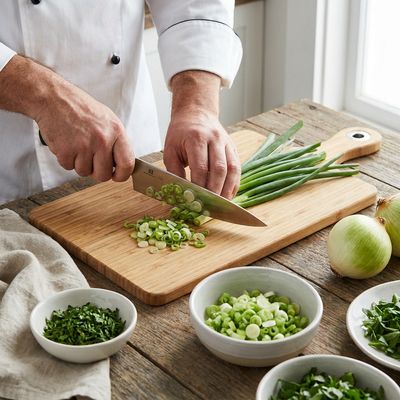
How to Chop Green Onions
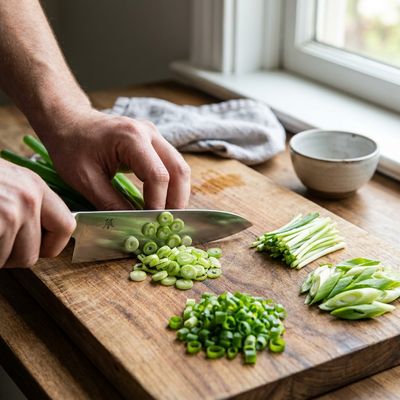
How to Slice Scallions
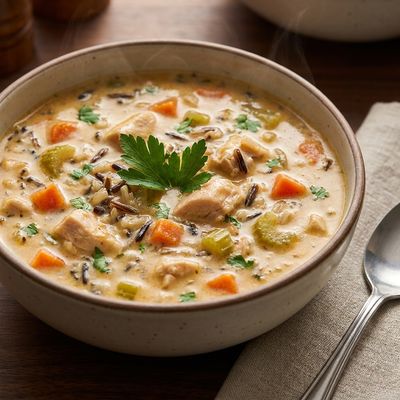
Crock Pot Creamy Chicken and Wild Rice Soup
375 min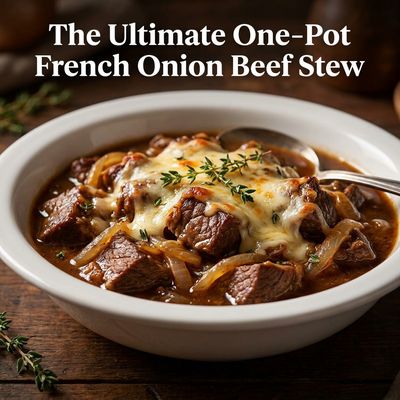
One-Pot French Onion Beef Stew
185 min
How to Shred Cheddar Cheese
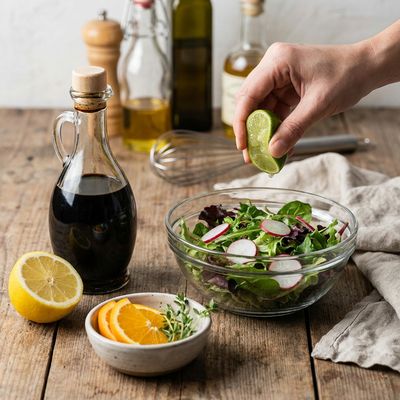
Why Acid is Essential in Cooking: How Vinegar and Citrus Balance Flavor
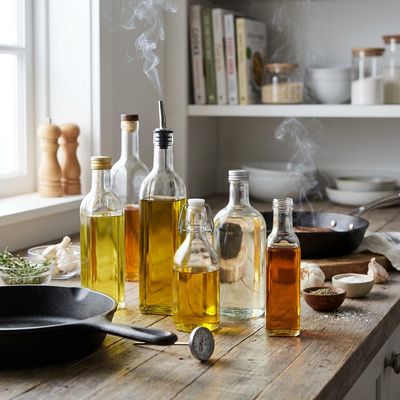
A Beginner's Guide to Cooking Oils and Smoke Points
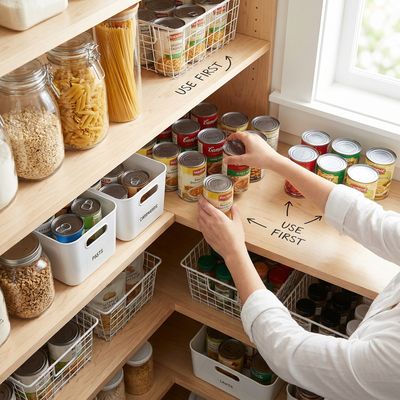
Why You Should Use the FIFO Method for Pantry Organization
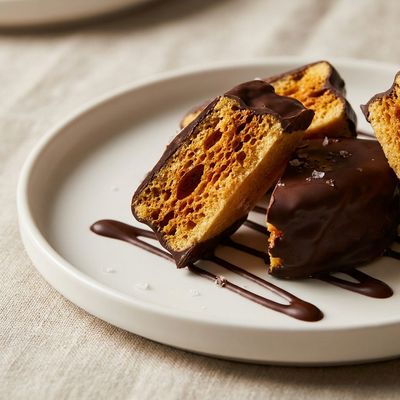
Sponge Candy Honeycomb Toffee
30 min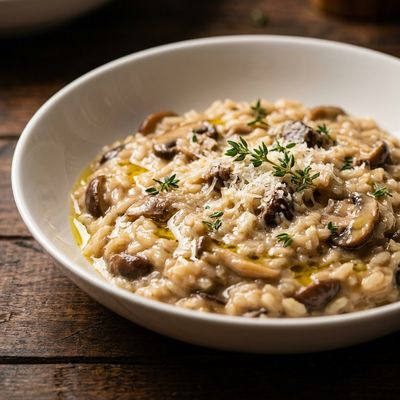
Creamy Mushroom Risotto with Truffle Oil
45 minComments
(0)Sign in to leave a comment.
You Might Like
Ad Space Available
Be the first to leave a comment.