What Worcestershire Sauce Is
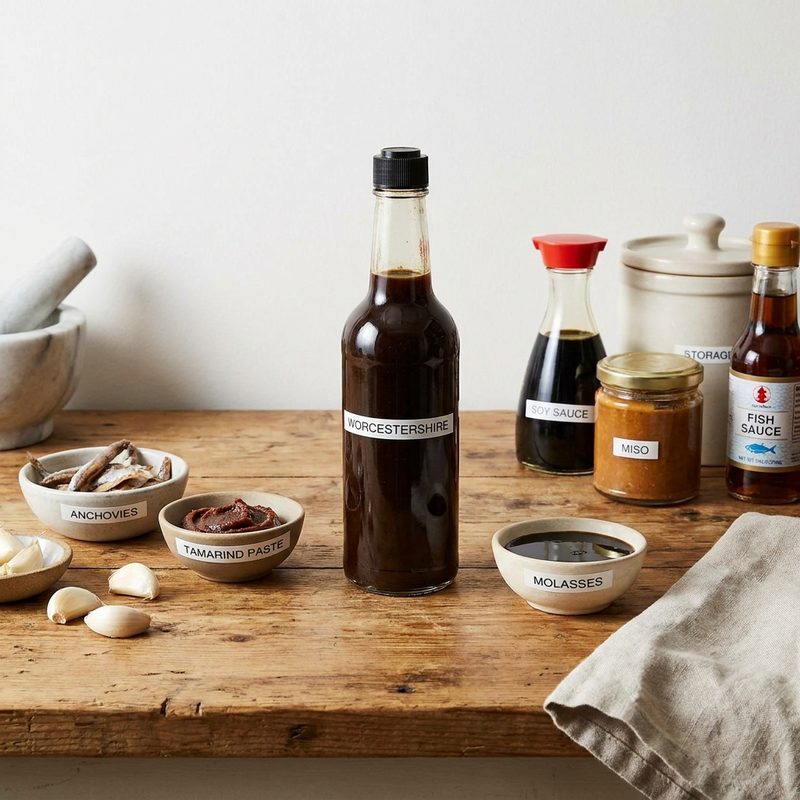
Worcestershire sauce is a fermented liquid condiment originating from Worcester, England, in the early 19th century. It is made from a base of vinegar, molasses, anchovies, tamarind, onions, garlic, and various spices, then aged for months to develop its complex, umami-rich flavour. The sauce is thin, dark brown, and delivers a unique balance of tangy, sweet, savoury, and slightly spicy notes. The traditional recipe from Lea & Perrins—the original brand—includes malt vinegar (distilled from barley), spirit vinegar, molasses, sugar, salt, anchovies (typically 2–3% by weight), tamarind extract, onions, garlic, and a proprietary spice blend containing cloves, cayenne, and allspice. The aging process takes a minimum of 18 months in large oak vats, during which the sauce is stirred every few weeks to ensure even fermentation. The final product has a pH of about 3.8, giving it a sharp tang, and a sodium content of roughly 400–500 mg per tablespoon.
How to Choose Worcestershire Sauce
When buying worcestershire sauce, look for a product that lists anchovies and tamarind among the first few ingredients, as these are key to authentic flavour. Check the label for real molasses (not high-fructose corn syrup) and avoid sauces with artificial colours or preservatives if possible. The sauce should be a deep, dark brown with a thin, watery consistency—not syrupy or overly thick. Reputable brands include Lea & Perrins, French's, and Colman's; generic store brands often use caramel colour (E150) instead of real molasses and substitute added sugar for tamarind, yielding a less complex taste. For a strict traditional version, seek out the "Original" Lea & Perrins, which uses naturally fermented vinegar and no high-fructose sweeteners. Avoid bottles that list "soy sauce" or "hydrolyzed vegetable protein" as primary ingredients—these imitations lack the fermented anchovy and tamarind character.
How to Use Worcestershire Sauce in Cooking
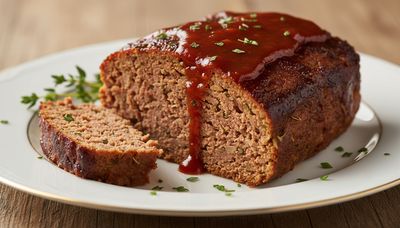
Worcestershire sauce is best used to enhance savoury dishes like stews, marinades, and sauces. Add 1–2 tablespoons per pound of ground meat when making burgers or meatloaf to boost umami—for example, use 1 tablespoon per 16 oz of ground beef in a classic meatloaf recipe. For a quick pan sauce, deglaze a hot skillet with 2 tablespoons of worcestershire sauce and ¼ cup of stock after searing steak; reduce by half over high heat (about 2–3 minutes) and swirl in 1 tablespoon of cold butter off heat. It also works as a seasoning in bloody marys (1 teaspoon per glass, plus 2 dashes of Tabasco and 1½ oz vodka) or as a finishing splash in soups and gravies—add 1 teaspoon per cup of soup just before serving to preserve its volatile aromatics. In slow-cooked dishes like beef stew, add 2 tablespoons per 2 cups of liquid at the start of cooking to meld with other flavours. For marinades, mix ¼ cup worcestershire sauce with 2 tablespoons olive oil, 1 tablespoon lemon juice, 1 teaspoon black pepper, and 2 minced garlic cloves per pound of steak; marinate for 30 minutes to 4 hours (longer can make meat mushy due to the acid). Avoid adding it to dairy-based sauces without heating, as the vinegar can cause curdling.
Substitutes for Worcestershire Sauce
Soy sauce + vinegar + sugar: Mix 1 tablespoon soy sauce, 1 teaspoon apple cider vinegar, and ½ teaspoon brown sugar to replace 1 tablespoon of worcestershire sauce. This swap lacks the anchovy umami but works in most savoury dishes—use light soy sauce for a closer colour match. Fish sauce + tamarind paste: Combine 1 teaspoon fish sauce (from redboat or three crabs brand) with 1 teaspoon tamarind paste (dissolved in 1 teaspoon warm water) for a closer umami match. Use this in recipes where the fermented note is key, like stir-fries or stews—add 1 tablespoon of this mix per tablespoon of worcestershire required. Homemade quick version: Whisk together 2 tablespoons soy sauce, 1 tablespoon molasses, 1 tablespoon white vinegar, ¼ teaspoon garlic powder, ¼ teaspoon onion powder, and a pinch of cayenne. This mimics the sweet-savoury balance well—let it sit for 10 minutes before using to allow flavours to meld. For a vegan option, replace fish sauce in the second substitute with 1 teaspoon of seaweed-infused soy sauce (like kelp granules steeped in soy sauce for 15 minutes).
How to Store Worcestershire Sauce
An unopened bottle of worcestershire sauce can be stored in a cool, dark pantry (60–70°F) for up to 2 years—check the best-by date, but it remains safe indefinitely due to its high acidity. Once opened, keep it in the pantry and use within 6 months for best flavour—it does not require refrigeration but can be refrigerated to extend shelf life to 1 year (the cold slows oxidation but may cause slight sediment from tamarind). Do not freeze worcestershire sauce, as the texture may separate upon thawing—if frozen, discard after thawing because the emulsion breaks. Always reseal the cap tightly after use to prevent evaporation of volatile compounds—if the cap is stuck, rinse it with warm water to dissolve dried residue. Signs of spoilage are rare but include mould growth (unusual due to vinegar) or a significant loss of aroma; if it smells flat, replace it.
Common Mistakes
Using too much: Adding more than 2 tablespoons per dish can overpower other flavours. Start with a small amount—1 teaspoon for a single serving—and taste as you go. For a 4-serving stew, use 2 tablespoons maximum. Ignoring the anchovy allergy: Worcestershire sauce contains anchovies; for a fish-free substitute, use the soy sauce and vinegar blend above (add ¼ teaspoon of mushroom powder for extra umami). Storing near heat: Keeping the bottle next to the stove can cause the sauce to darken and lose potency—molecules break down above 140°F. Store in a pantry away from direct heat, like a cabinet above the refrigerator. Not shaking before use: Ingredients like tamarind sediment settle over time; always shake the bottle vigorously for 10 seconds before pouring to redistribute flavours. Using in delicate dishes: Avoid adding worcestershire sauce to light white sauces or raw dressings where its intense colour and flavour clash—white wine vinegar or lemon juice are better choices. Substituting tamarind incorrectly: If a recipe calls for worcestershire largely for tamarind’s sourness (e.g., in a tangy glaze), do not replace it with straight soy sauce; use the fish sauce + tamarind paste blend instead.
Key Takeaways
- ✓ <ul><li>Shake the bottle well before each use, as sediment can settle at the bottom.</li><li>Add worcestershire sauce early in cooking to allow its flavours to meld, not just at the end.</li><li>Use it in place of salt in some recipes to reduce sodium while adding complexity.</li><li>A few drops can elevate simple dishes like scrambled eggs or roasted vegetables.</li></ul>