What Coconut Is
Coconut is the fruit of the coconut palm (Cocos nucifera), native to tropical regions of the Indo-Pacific. The fruit consists of a hard, brown, hairy shell encased in a green or brown outer husk. Inside the shell is a thin brown skin covering the white flesh (the meat), and the cavity contains clear coconut water. The meat can be fresh, dried, or processed into milk, cream, oil, and flour. Coconuts are available year-round in most supermarkets.
How to Choose Coconut
For a whole coconut, pick one that feels heavy for its size and slosh it near your ear — you should hear coconut water inside. Avoid coconuts with cracks, wet spots, or mold. The three eyes at the top should be dry and not leaking. For shredded or flaked coconut, look for packages with no added sugar or preservatives if you want a natural flavor. Canned coconut milk should have a firm, creamy top layer when shaken; avoid cans that are dented or bulging.
How to Use Coconut in Cooking
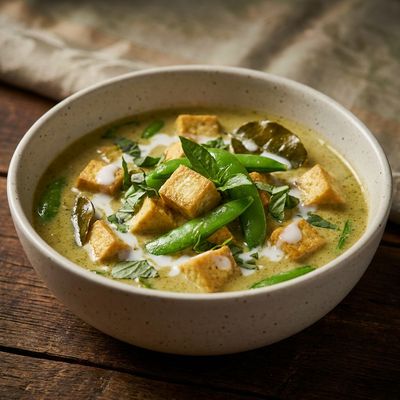
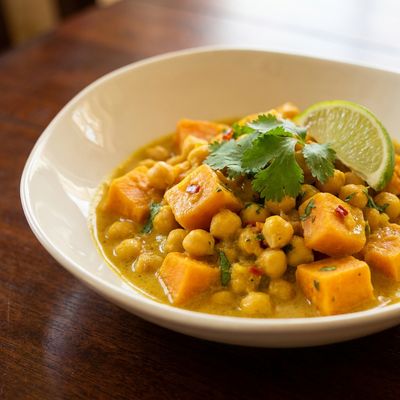
Fresh coconut meat can be eaten raw, grated into salads, or blended into smoothies. To toast shredded coconut, spread it in a thin layer (about 1 cm deep) on a baking sheet and bake at 160°C (325°F) for 5–7 minutes, stirring halfway through; watch closely because it burns quickly—after 8 minutes it will turn bitter and dark brown. Coconut milk and cream are essential in curries, soups, and sauces — simmer gently at 85–90°C (185–195°F), as high heat above 95°C (203°F) can cause curdling due to protein denaturation. Coconut oil can replace butter or vegetable oil in baking at a 1:1 ratio by weight, but note it solidifies below 24°C (75°F); for liquid oil substitution, melt it first and let cool before mixing. For a dairy-free whipped topping, chill a 400 ml can of full-fat coconut milk (at least 20% fat) upright in the fridge for 12 hours, then scoop out the solidified cream (about 150 g)—save the watery liquid for smoothies—and whip with 1–2 tablespoons of powdered sugar or maple syrup for 3–4 minutes until stiff peaks form. To make fresh coconut milk from mature meat, grate 2 cups of meat and blend with 1 cup of hot water (not boiling, about 60°C/140°F) for 2 minutes, then strain through a nut milk bag or fine sieve, pressing to extract as much liquid as possible; this yields about 1.5 cups of rich milk.
Substitutes for Coconut
1. Almond milk — Use 1:1 for coconut milk in smoothies or cereal, but note it is thinner and less creamy (coconut milk has 5–20% fat vs almond milk's 2–3%). For curries, add 1 tablespoon of cornstarch per cup to thicken; whisk with 2 tablespoons of water before adding to avoid lumps. 2. Cashew cream — Soak 1 cup raw cashews in water for 4 hours at room temperature, then drain and blend with ½ cup water for 2 minutes until silky smooth. Use 1:1 for coconut cream in sauces and desserts; it adds a mild nutty flavor and freezes well for up to 3 months. 3. Greek yogurt — Use 1:1 for coconut cream in baking or as a topping, but it has a tangy taste and is not dairy-free; full-fat Greek yogurt (10% fat) works best for richness. For a lighter alternative, use ½ cup yogurt and ½ cup unsweetened applesauce in baking to mimic coconut's moisture.
How to Store Coconut
Whole coconuts keep at room temperature (18–22°C) for up to 2 months, but refrigerating slows spoilage. Once opened, refrigerate the meat in an airtight container submerged in water (changed every 2 days) for 5–7 days. Shredded or flaked coconut can be stored in a sealed bag in the pantry for 6 months, or in the freezer for up to 1 year; if it smells like paint thinner or has yellow patches, it has turned rancid. Coconut milk should be refrigerated after opening and used within 5 days; leftover coconut water keeps for 2–3 days in the fridge—if it smells sour or fizzy, discard it. Freeze coconut milk in ice cube trays (each cube is about 30 ml) for easy portioning — cubes last 3 months in a freezer bag; thaw overnight in the fridge before use.
Common Mistakes
1. Overheating coconut milk — High heat (above 95°C/203°F) causes the fat to separate and curdle, creating a grainy texture. Always simmer coconut milk on low to medium heat (4 out of 10 on induction) and stir gently with a wooden spoon; if curdling happens, whisk in 1 teaspoon of cornstarch mixed with 2 tablespoons of cold water to re-emulsify. 2. Not shaking coconut milk before opening — The cream and water separate in the can; the solid cream layer can be up to 3 cm thick in full-fat brands. Shake vigorously for 10 seconds before opening to ensure a uniform consistency; for recipes requiring only cream, chill the can first (12 hours in fridge) and spoon off the solid top. 3. Storing shredded coconut in a warm pantry — It can go rancid quickly at temperatures above 25°C due to high oil content (about 65% fat). Keep it in the fridge or freezer for longer freshness, especially after opening—room temperature storage limits shelf life to 2 months, while the fridge extends it to 6 months. 4. Using low-fat coconut milk in curries — Canned 'light' coconut milk (6–10% fat) lacks the body and flavor of full-fat (17–20% fat); it will produce watery, thin sauces. Stick to full-fat for authentic curries and rich desserts.
Key Takeaways
- ✓ <ul><li>To easily crack a whole coconut, first drain the water by piercing the eyes, then tap firmly around the equator with a hammer — it will split in half.</li><li>For the richest coconut milk, use the thick cream that rises to the top of a chilled can — reserve the watery liquid for smoothies or soups.</li><li>Toast coconut flakes in a dry pan over medium heat for 2–3 minutes, stirring constantly, until golden — watch closely as it burns quickly.</li><li>If a recipe calls for desiccated coconut and you only have fresh, grate the fresh meat and dry it in a 150°C (300°F) oven for 10–15 minutes.</li></ul>