Recipe Details
"Scallions, also known as green onions, are one of the most versatile ingredients in any kitchen, offering both a sharp bite and a fresh crunch. This guide covers everything from basic cleaning to advanced cutting styles that will enhance both the flavor and visual appeal of your favorite meals."
Ingredients
| Qty | Item |
|---|---|
| Ingredient list coming soon. | |
How to Make How to Slice Scallions
Preparation and Cleaning
Start by rinsing the scallions thoroughly under cold running water for at least 30 seconds, gently rubbing each stalk between your fingers to dislodge any dirt or grit trapped between the layers. Pay special attention to the white bulb end, where soil often clings. Pat them dry with a clean kitchen towel or paper towel—moisture on the surface will cause the knife to stick and produce ragged cuts. Place the scallions on a stable cutting board (a damp paper towel underneath the board prevents slipping) and trim off the stringy roots at the base, cutting just above the root cluster—about 1/8 inch up—to keep the bulb intact. You should also trim about a half-inch off the very tips of the green ends if they appear wilted, discolored, or slimy; if the tips are crisp and bright green, leave them on. Discard any outer layer that is bruised or translucent. For best results, use scallions within 2 days of purchase; older scallions become limp and lose their snap.
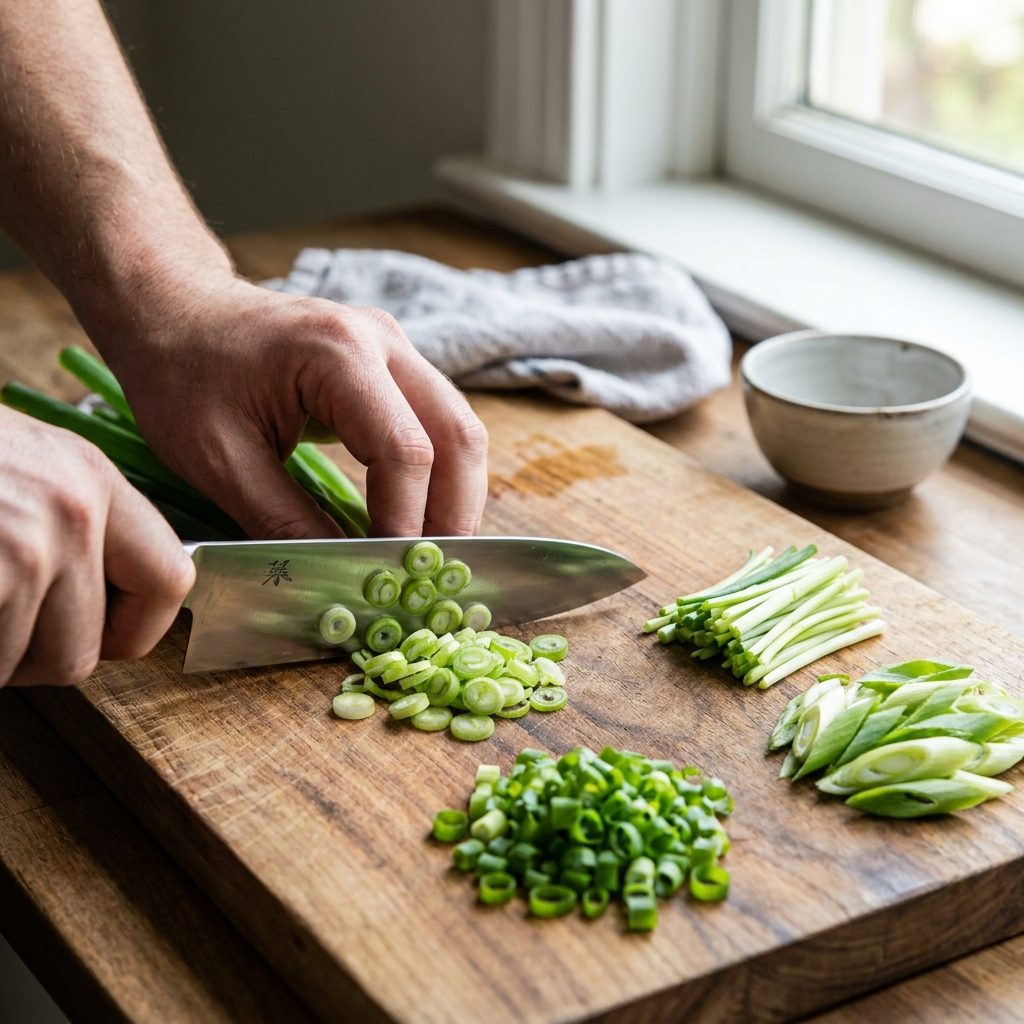
The Classic Round Cut
For standard garnishes in soups, tacos, or baked potatoes, gather a few scallions (3 to 4 at a time) into a neat bundle, aligning the white bulbs and green tops. Hold the scallions with your non-dominant hand using the 'claw' grip: curl your fingertips inward so your knuckles guide the knife blade, keeping your fingertips safely behind the knuckles. Using a sharp chef's knife or Santoku (an 8-inch blade works best), make straight, downward cuts perpendicular to the length of the onion, spacing each cut 1/4 inch apart for a standard garnish or 1/8 inch for a finer finish. This creates uniform, circular rings. You can use both the white and green parts, though the white parts are more pungent and hold up better in cooked dishes; the green parts are milder and best used raw. If the rings fall apart, your knife is dull—sharpen it on a 1000-grit whetstone before continuing. For a more even cut, rock the knife blade forward as you slice, keeping the tip on the board. You should hear a clean, crisp crunch with each cut; if you hear tearing or squishing, the blade is too dull or you are pressing too hard.
The Elegant Bias Cut
The bias cut, or diagonal cut, increases the surface area of the onion by about 40% and adds sophisticated visual interest, making it the preferred choice for stir-fries and salads. Hold your knife at a 45-degree angle to the scallion—you can use a small protractor or simply eyeball the angle by tilting the blade until it forms a diagonal line across the stalk. Slice downward, maintaining that consistent 45-degree angle as you move down the stalk, making each cut 1/2 inch apart for stir-fries or 1/4 inch for salads. The result is elongated, oval-shaped pieces that provide more texture and coverage on a plate. To keep the angle steady, rotate the scallion a quarter-turn after every 3 to 4 cuts; this prevents the stalk from rolling and gives you a more uniform shape. If the pieces come out uneven—some long, some short—you are changing the angle mid-cut; practice by drawing a 45-degree line on a piece of tape and sticking it to your cutting board as a guide. For a dramatic presentation, cut the white bulbs on a steeper 60-degree angle and the green tops at 45 degrees; the contrast in shape and color makes the dish pop.
The Fine Shred or Julienne
Often used as a delicate garnish for ramen or steamed fish, this technique creates beautiful green ribbons. Cut a section of the green stalk into 2-inch lengths—use only the dark green parts for the best color and texture; the pale green and white parts are too firm and will not curl as nicely. Slit each section lengthwise with a paring knife, then open it flat against the cutting board with the inner surface facing down. Slice as thinly as possible into long, hair-thin strips, aiming for a thickness of 1/16 inch or less—if the strips are thicker than 1/8 inch, they will not curl properly. To make these strips curl into elegant spirals, soak them in a bowl of ice water (add 4 to 5 ice cubes to 2 cups of cold water) for 5 to 10 minutes before serving. The cold water causes the cell walls to absorb moisture and expand, creating tight curls. If the strips do not curl after 10 minutes, the water is not cold enough—add more ice and wait another 5 minutes. Alternatively, if you are short on time, you can skip the ice bath and use the shreds as straight, flat garnishes; they will still look elegant on a plate. For a variation, toss the soaked and drained shreds with 1 teaspoon of rice vinegar and a pinch of sugar to add a subtle tang that complements rich broths.
Tips for Best Results
-
·
<html><ul><li>Always use a very sharp knife to avoid crushing the delicate hollow tubes of the green stalks, which can lead to bruising and loss of flavor.</li><li>Don't discard the white parts; while they are stronger in flavor, they are excellent when sautéed as a base for sauces and stews.</li><li>If you are slicing a large quantity, keep the scallions bundled tightly with a rubber band to prevent them from rolling around the cutting board.</li><li>To refresh slightly wilted scallions before cutting, trim the roots and stand them up in a glass of water in the refrigerator for an hour.</li></ul></html>
Frequently Asked Questions
Are scallions and green onions the same thing?
Which part of the scallion should I use?
How do I store sliced scallions?
Can I freeze sliced scallions?
What to Cook Next

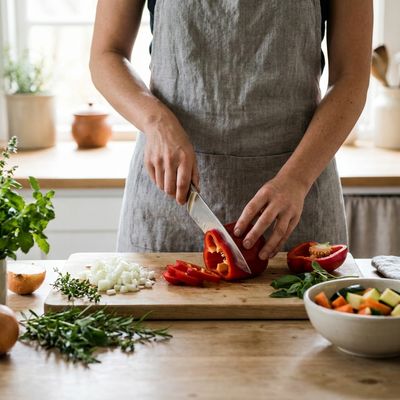
Next Recipe
The Ultimate Guide to Essential Knife Skills for Beginners
Mastering knife skills is the single most important step in becoming a faster, safer, and more confident cook. This guide covers everything from the proper grip to perfecting uniform cuts that ensure even cooking.
Similar Recipes to Try
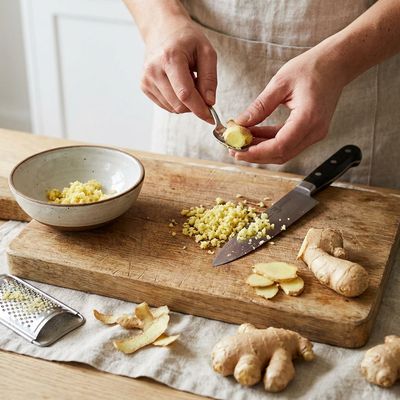
How to Peel and Mince Fresh Ginger Easily

Carrots: Uses, Substitutes, and How to Store It

Turkey and Cheddar Tortilla Pinwheels
15 min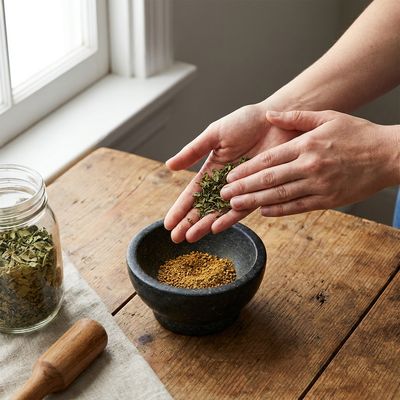
How to Crush Kasuri Methi
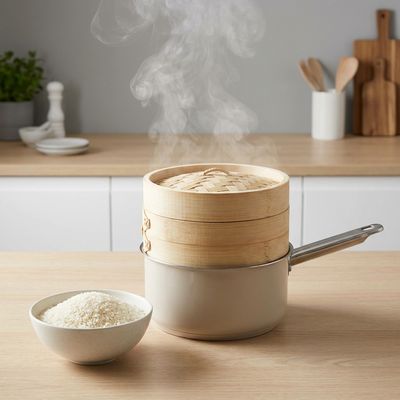
How to Steam Jasmine Rice
How to Steam White Rice

How To Poach Eggs
How to Dice Onions

A Beginner's Guide to Cooking Oils and Smoke Points
How to Stock a Basic Pantry: Must-Have Ingredients for New Cooks
Comments
(0)Sign in to leave a comment.
Ad Space Available
Be the first to leave a comment.