Recipe Details
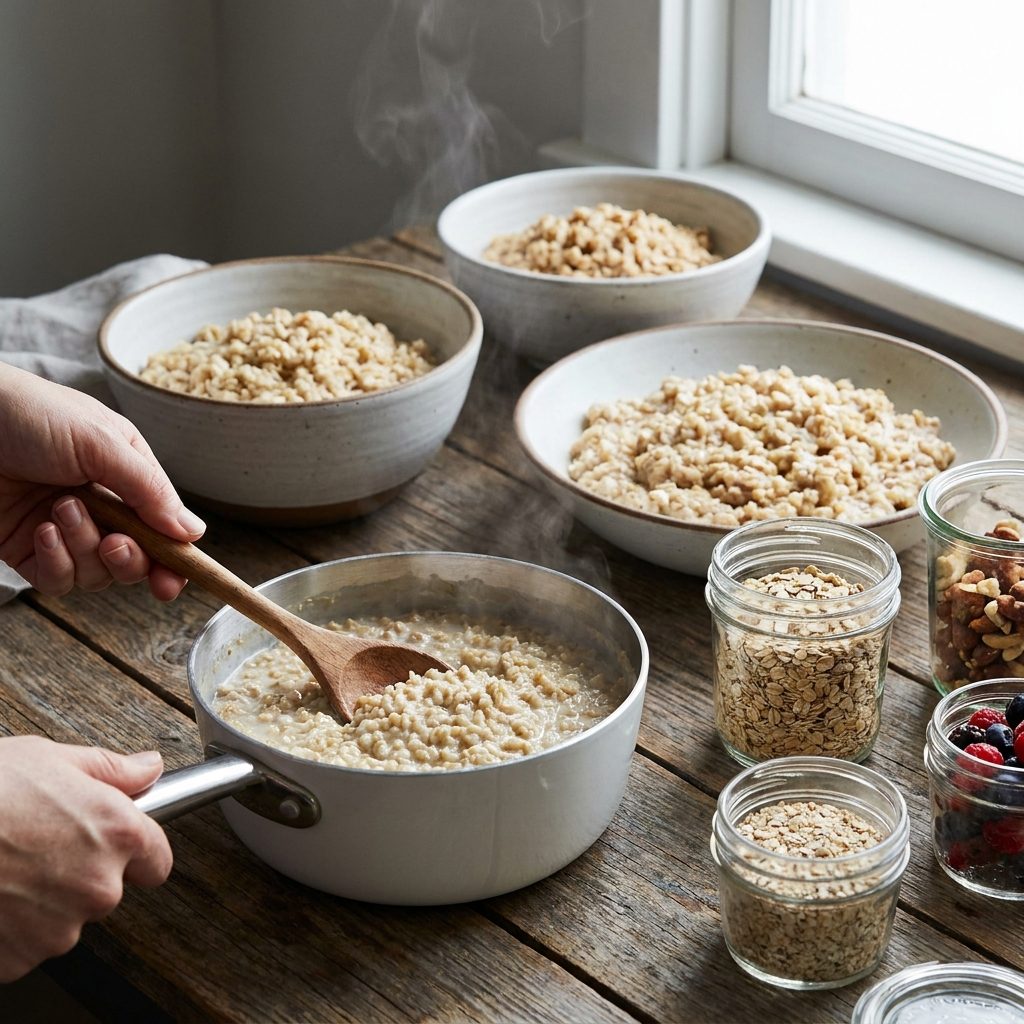
"Oatmeal is a versatile breakfast staple that relies on the correct ratio of liquid to grain and proper heat management. This guide breaks down the science and technique behind achieving the perfect texture, whether you prefer your oats creamy or chewy."
Ingredients
| Qty | Item |
|---|---|
| Ingredient list coming soon. | |
How to Make How To Make Oatmeal
Selecting Your Oat Variety
The first step in making perfect oatmeal is choosing the right grain. Steel-cut oats are whole groats chopped into pieces, offering a chewy texture and requiring about 20-30 minutes of cooking. Old-fashioned rolled oats are steamed and flattened, cooking in 5-10 minutes with a creamy yet distinct texture. Quick oats are pre-steamed and rolled thinner for a fast 1-3 minute cook time but result in a softer consistency.
The Perfect Liquid Ratio
Consistency is determined by the ratio of liquid to oats. For old-fashioned rolled oats, use a 2:1 ratio (e.g., 1 cup liquid to 1/2 cup oats). For steel-cut oats, use a 3:1 or 4:1 ratio depending on how creamy you want them. Using milk or a dairy alternative adds richness and protein, while water allows the pure flavor of the grain to shine.
The Stovetop Technique
To begin, bring your liquid and a pinch of salt to a boil in a small saucepan. Once boiling, stir in your oats and reduce the heat to a low simmer. For rolled oats, cook for about 5 to 7 minutes, stirring occasionally to release the starches, which creates a creamier texture. For steel-cut oats, simmer for 20 to 30 minutes until the desired tenderness is reached.
Finishing and Resting
Once the oats have absorbed most of the liquid but still look slightly wet, remove the pan from the heat. Cover the pot and let the oatmeal rest for two to three minutes. This final resting period allows the steam to finish softening the grains evenly without overcooking them on the direct heat.
Tips for Best Results
-
·
<html><ul><li>Toast your dry oats in a little butter or oil for 2 minutes before adding liquid to develop a deep, nutty flavor.</li><li>Always add a pinch of salt at the beginning of cooking; it enhances the sweetness of the toppings and the grain's natural flavor.</li><li>For the creamiest results, use a combination of half water and half milk.</li><li>Avoid over-stirring if you prefer distinct grains, or stir constantly if you want a porridge-like consistency.</li></ul></html>
Frequently Asked Questions
Can I make oatmeal in the microwave?
Why is my oatmeal gluey?
Are oats naturally gluten-free?
What is the best way to reheat oatmeal?
What to Cook Next

Next Recipe
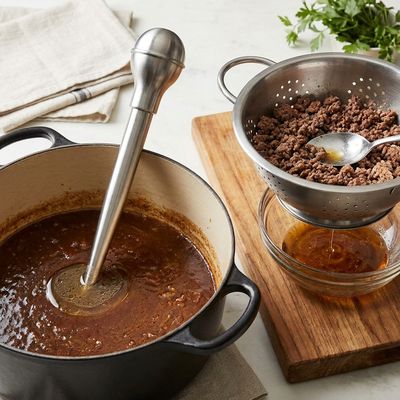
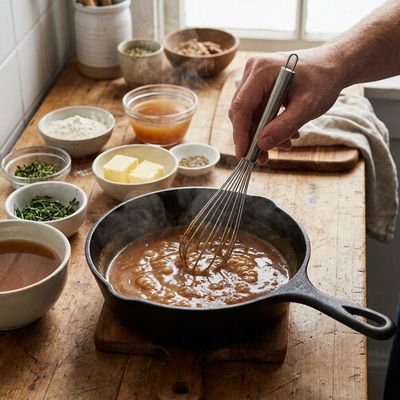
How To Make Gravy
Gravy is the ultimate culinary bridge that connects meats, potatoes, and vegetables into a cohesive meal. This guide explores the fundamental science of the roux and the step-by-step process of building a flavorful, silky sauce from scratch.
Similar Recipes to Try
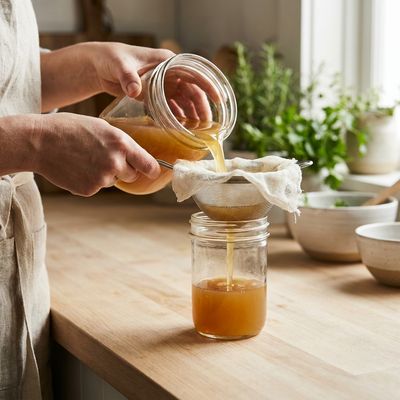
How to Strain Broth
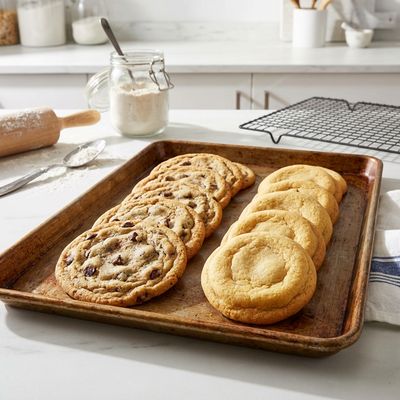
Why Are My Cookies Flat? How to Prevent Cookie Spreading
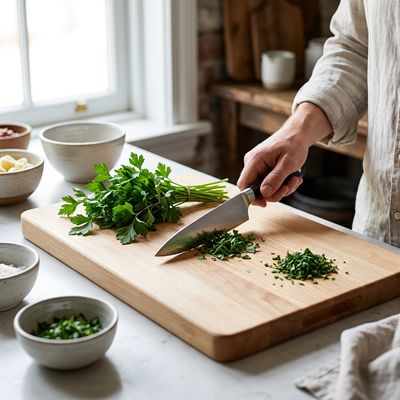
How to Chop Parsley
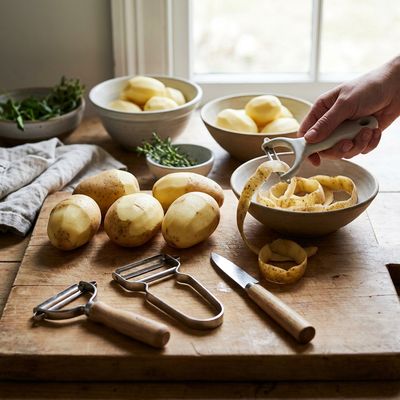
How to Peel Potatoes
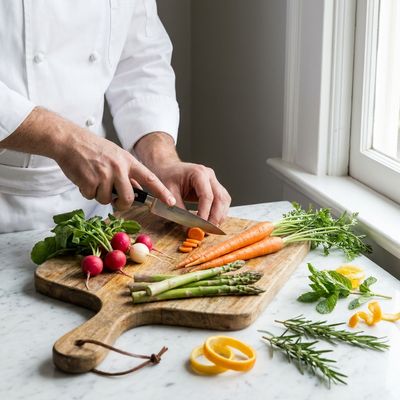
How to Trim Edges
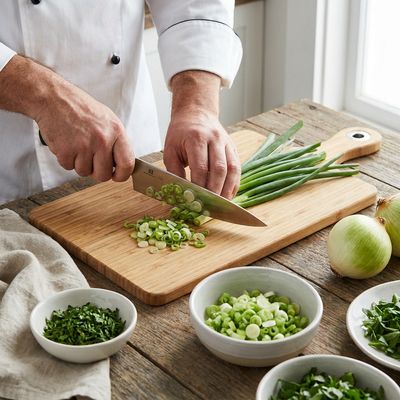
How to Chop Green Onions
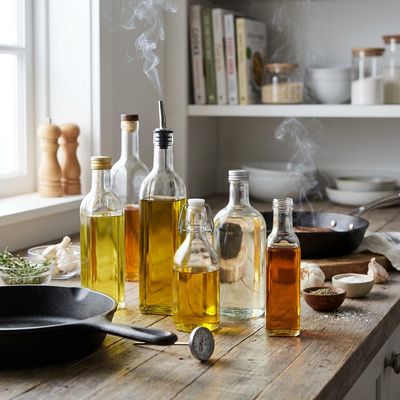
A Beginner's Guide to Cooking Oils and Smoke Points
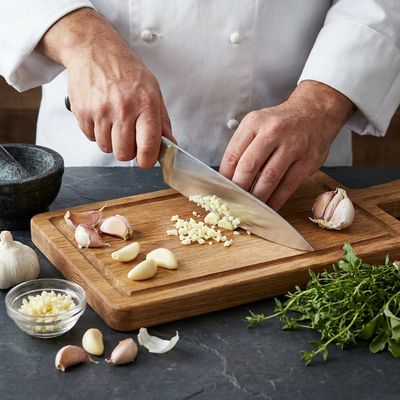
How to Mince Garlic
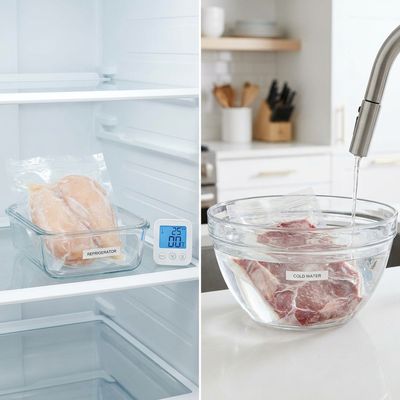
How to Safely Thaw Frozen Meat and Poultry
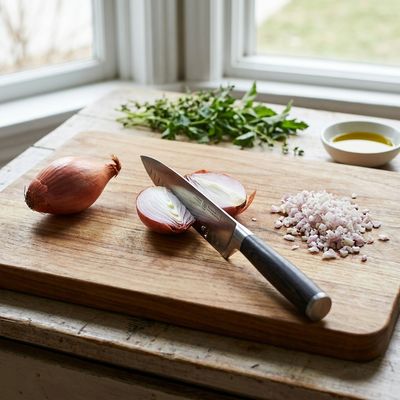
How to Mince Shallots
Comments
(0)Sign in to leave a comment.
You Might Like
Ad Space Available
Be the first to leave a comment.