Recipe Details
"Kasuri methi, or dried fenugreek leaves, is a cornerstone of Indian cuisine that provides a signature earthy and nutty aroma. To fully unlock its potent fragrance, you must learn the specific technique of crushing the leaves to release their essential oils just before serving."
Ingredients
| Qty | Item |
|---|---|
| Ingredient list coming soon. | |
How to Make How to Crush Kasuri Methi
Step 1: Check for Dryness
Before crushing, ensure your kasuri methi is perfectly dry and brittle. If the leaves feel slightly soft or damp due to humidity, they will not crush effectively into a powder; instead, they will clump into sticky, uneven bits that fail to release their aroma. To test, pinch a small cluster between your thumb and forefinger: a dry leaf should shatter with a sharp snap, while a damp one will bend or feel leathery. If needed, you can briefly microwave them for 10-15 seconds on high power (spread in a single layer on a paper towel) or warm them in a dry cast-iron or non-stick pan over medium-low heat for 60-90 seconds, shaking the pan every 15 seconds until the leaves feel crisp and sound like dry autumn leaves when stirred. Avoid overheating: if the leaves darken beyond their natural olive-green to a brownish hue, they have scorched and will taste bitter. For a gentler method, spread the leaves on a baking sheet and place in a 170°F (75°C) oven for 5-7 minutes, checking at the 4-minute mark. Once dry, let them cool for 30 seconds before crushing; residual heat can cause steam to soften the leaves again.
Step 2: The Palm Friction Technique
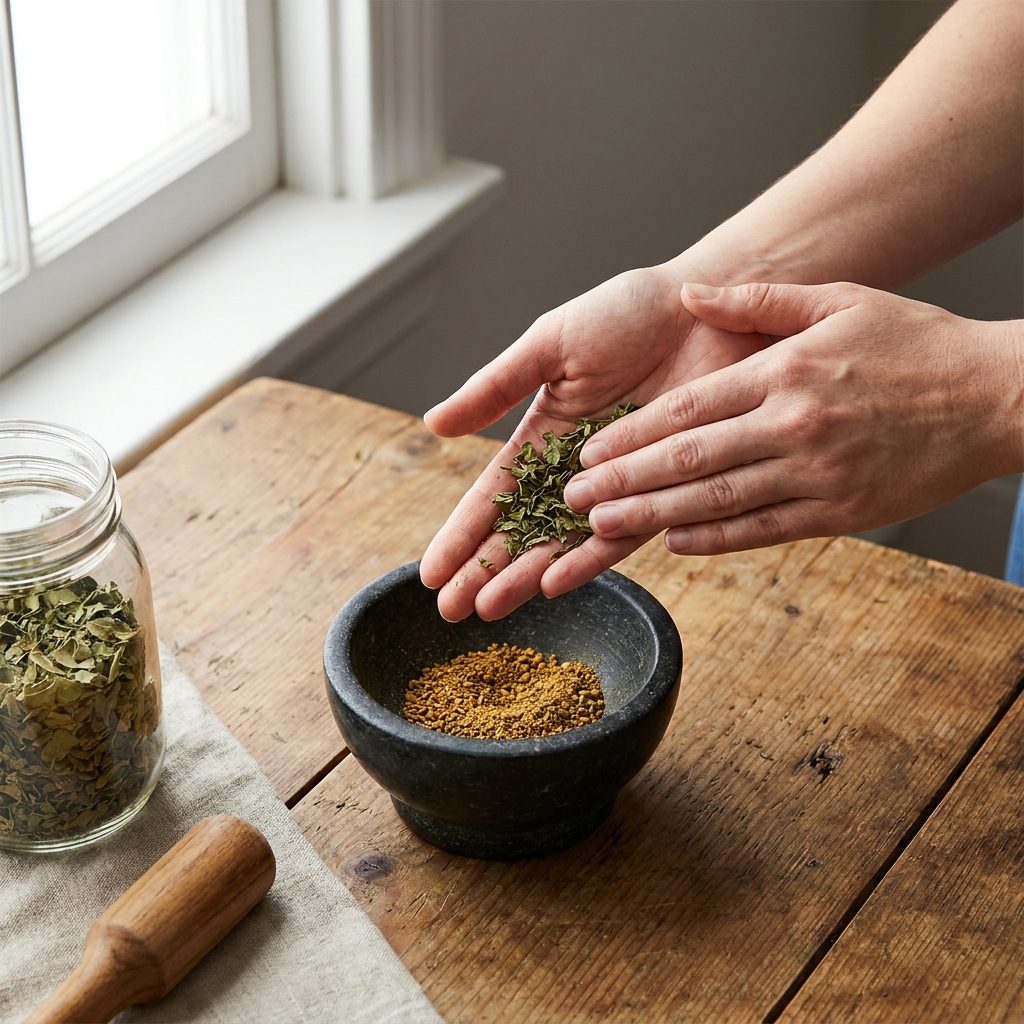
The most traditional and effective way to crush dried fenugreek is using the friction of your palms. Take exactly 1 tablespoon (about 4 grams) of the dried leaves and place them in the center of one palm, forming a small mound. Place your other palm over the leaves and press firmly with steady, even pressure—about the force you would use to flatten a small ball of dough. Rub your hands together in a vigorous circular or back-and-forth motion for 20-30 seconds. You should hear a faint crackling sound as the leaves break; if the sound is muffled or you feel moisture, stop and re-dry the leaves. The motion should be brisk but controlled: too slow and the leaves will not fracture; too fast and you risk rubbing your palms raw. After 15 seconds, open your hands slightly and check the texture: the powder should be fine, like coarse sand, with no visible whole leaves. If large flakes remain, continue rubbing for another 10 seconds. For larger batches (more than 2 tablespoons), work in 1-tablespoon increments; overcrowding your palms reduces friction and leads to uneven crushing. If your hands are naturally sweaty, wear disposable nitrile gloves or use a clean, dry kitchen towel between your palms to prevent moisture from rehydrating the leaves.
Step 3: Sifting and Stem Removal
As you rub your hands together over your pot or bowl, the leaves will break down into a fine, fragrant dust that falls like green snow. However, kasuri methi often contains small, woody stems that do not break down—these are pale yellow or brown, about 1-2 mm thick, and feel hard and splintery. Once the leafy parts have been pulverized and fallen into the dish, open your hands over the bowl and inspect the residue. Discard any remaining stems or large veins left in your hand; they are tough and will create an unpleasant gritty or fibrous texture in the final dish. To ensure no stem fragments sneak through, pass the crushed powder through a fine-mesh sieve (20-30 mesh, or about 0.5 mm openings) directly into your cooking pot. Gently tap the sieve against your palm; the fine powder will fall through, while stems and any unbroken leaf pieces will remain on top. If you see more than 5-6 stem pieces per tablespoon of starting leaves, consider buying a higher-quality brand next time. For a quicker alternative, use a mortar and pestle: add the leaves and grind with a circular motion for 15-20 seconds, then tilt the mortar and pour the powder through the sieve. Do not skip sifting—even a single stem can ruin the texture of a smooth curry or sauce.
Step 4: Heat Activation (Optional)
For an even deeper flavor profile, many chefs recommend dry-roasting the leaves in a skillet for 30 seconds before performing the palm crush. This heat brings the oils to the surface, making the subsequent crushing even more effective and the aroma much more intense. To do this, place a heavy-bottomed skillet (cast iron or stainless steel) over medium heat for 2 minutes until it reaches 300°F (150°C)—test by flicking a drop of water onto the pan; it should sizzle and evaporate in 1-2 seconds. Add the dried kasuri methi leaves in a single layer (no more than 2 tablespoons per batch) and stir constantly with a wooden spatula for exactly 30-40 seconds. The leaves will darken slightly from olive to a deeper forest green, and you will smell a nutty, almost caramelized fragrance—this is the fenugreek's essential oils being released. If you smell a burnt or acrid note, you have gone too long; remove the pan from heat immediately and transfer the leaves to a cool plate to stop cooking. After roasting, let the leaves cool for 2-3 minutes before crushing; hot leaves can burn your palms and also release steam that rehydrates them. For a variation, you can add 1/4 teaspoon of ghee or butter to the pan during the last 10 seconds of roasting—this creates a richer, more rounded flavor, but be careful not to let the leaves become greasy, as they will clump during crushing. Once crushed and sifted, use the powder within 10 minutes for maximum aroma; it loses potency quickly when exposed to air.
Tips for Best Results
-
·
<html><ul><li>Always crush kasuri methi at the very end of the cooking process to preserve its volatile aromatic compounds.</li><li>If your hands are wet or oily, the powder will stick to your skin rather than falling into the food; ensure hands are bone-dry.</li><li>Store your bulk kasuri methi in an airtight glass jar in a dark place to keep the leaves brittle and flavorful.</li><li>Avoid using a mortar and pestle if possible, as the friction from your palms provides the perfect amount of heat and controlled pressure.</li></ul></html>
Frequently Asked Questions
Why do I need to crush kasuri methi instead of just adding it whole?
What should I do if my kasuri methi is too soggy to crush?
When is the best time to add crushed kasuri methi to a curry?
Can I use a spice grinder to crush the leaves?
What to Cook Next



Next Recipe
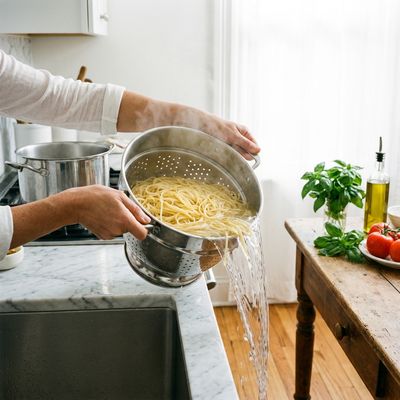
How to Drain Pasta
Draining pasta is a fundamental kitchen skill that can make or break your final dish. This guide explains how to properly separate your noodles from the water while preserving the starchy liquid needed for a silky, cohesive sauce.
Similar Recipes to Try
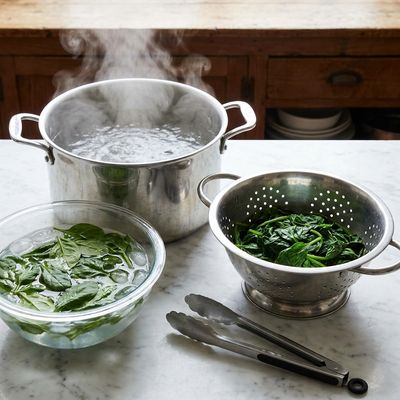
How to Blanch Spinach

How To Bake Sweet Potatoes
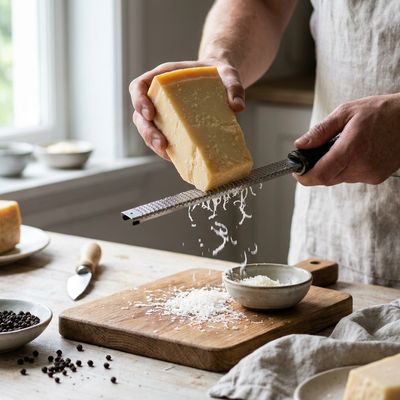
How to Grate Parmesan Cheese

How To Make Pizza Dough From Scratch

How to Crush Tomatoes
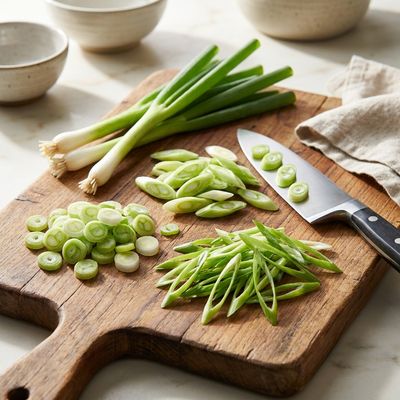
How to Slice Green Onions
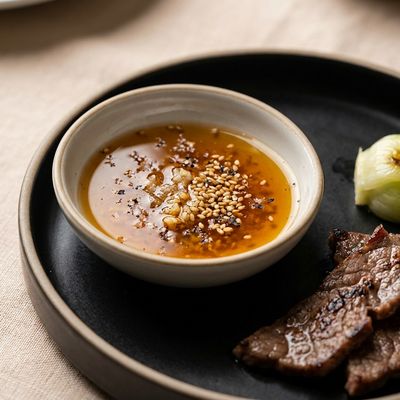
Korean Seasoned Sesame Oil Dipping Sauce
5 min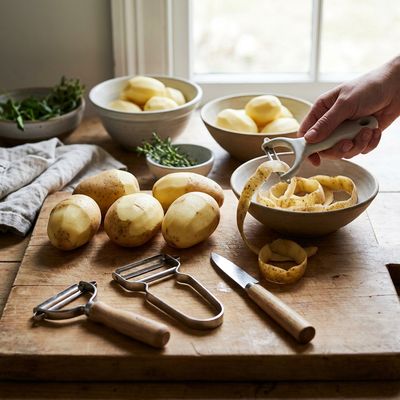
How to Peel Potatoes
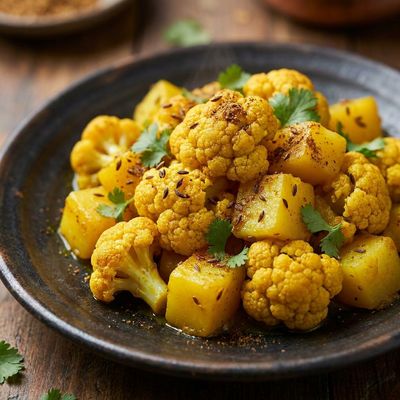
Aloo Gobi with Turmeric and Cumin
40 min
How to Stock a Basic Pantry: Must-Have Ingredients for New Cooks
Comments
(0)Sign in to leave a comment.
You Might Like
Ad Space Available
Be the first to leave a comment.