Recipe Details
"Properly thawing meat is a critical kitchen skill that ensures food safety and preserves the texture of your ingredients. This guide explores the three safe methods for defrosting poultry and meat while highlighting the common mistakes to avoid."
Ingredients
| Qty | Item |
|---|---|
| Ingredient list coming soon. | |
How to Make How to Safely Thaw Frozen Meat and Poultry
Method 1: The Refrigerator Thaw (Best for Quality)
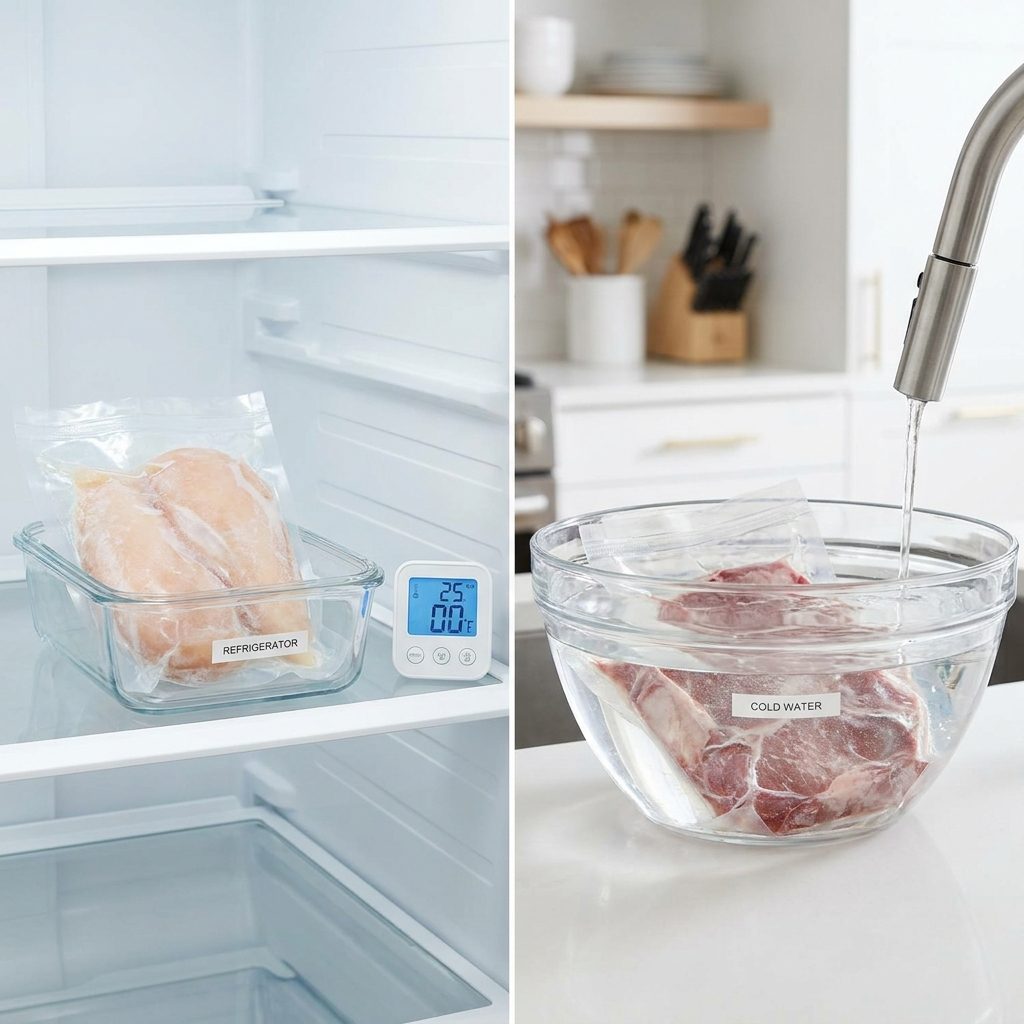
The refrigerator method is the safest and most recommended way to thaw meat. It allows the food to defrost at a consistent, safe temperature (below 40°F). Simply place the frozen package on a rimmed plate or tray to catch any leaks and move it from the freezer to the lowest shelf of your fridge. A small item like a chicken breast may thaw overnight, while a large turkey will require about 24 hours for every 5 pounds of weight.
Method 2: The Cold Water Thaw (Faster Results)
If you need your meat thawed in a few hours, use the cold water method. Ensure the meat is in a leak-proof, airtight plastic bag to prevent water from entering and bacteria from the air from contaminating the food. Submerge the bag in a bowl of cold tap water. Change the water every 30 minutes to ensure it stays cold. Small packages (about a pound) can thaw in an hour or less, while a 3-4 pound package may take 2 to 3 hours.
Method 3: The Microwave Thaw (For Immediate Cooking)
Use the microwave method only if you plan to cook the meat immediately. Most microwaves have a defrost setting based on weight. Remove the meat from its original packaging (which may contain foam or plastic not rated for heat) and place it on a microwave-safe dish. Be aware that microwave thawing can result in uneven heating, where some parts of the meat begin to cook while others are still frozen. This is why immediate cooking is required to prevent bacteria growth.
Method 4: Cooking from Frozen
When you are in a time crunch, it is perfectly safe to cook meat or poultry while it is still frozen. However, keep in mind that the cooking time will be approximately 50% longer than for fully thawed or fresh meat. This method works best for soups, stews, or roasting, but avoid using a slow cooker for frozen meat as it stays in the 'Danger Zone' for too long.
Tips for Best Results
-
·
<html><ul><li>Always place thawing meat on the bottom shelf of the refrigerator to prevent cross-contamination from dripping juices.</li><li>Never thaw meat on the kitchen counter or in hot water, as these methods allow bacteria to multiply rapidly in the 'Danger Zone' (40°F - 140°F).</li><li>Meats thawed in the refrigerator can be safely refrozen without cooking, although there may be a slight loss in quality.</li><li>Once meat is thawed using the cold water or microwave methods, it must be cooked immediately before refreezing.</li></ul></html>
Frequently Asked Questions
Can I thaw meat on the counter if my kitchen is cold?
Is it safe to refreeze meat that has been thawed?
How long can thawed meat stay in the fridge before cooking?
Why shouldn't I use a slow cooker for frozen meat?
What to Cook Next
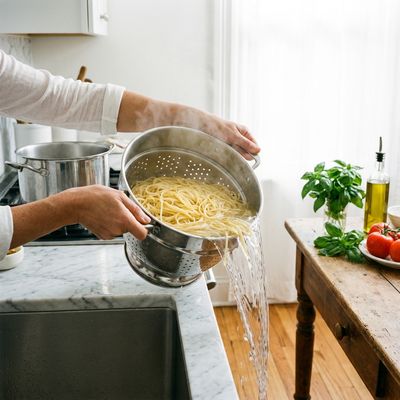
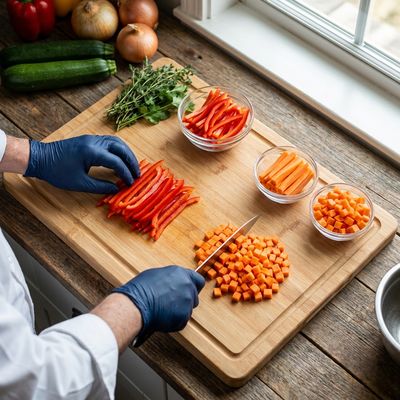
Next Recipe
How to Julienne and Dice Vegetables Like a Professional Chef
Knife skills are the foundation of all professional cooking. This guide breaks down the essential techniques of julienne and dicing, helping you achieve uniform shapes and consistent cooking times in your home kitchen.
Similar Recipes to Try
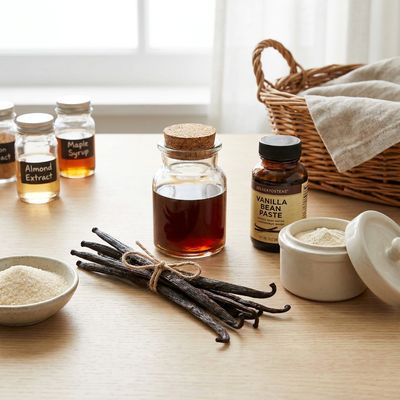
Vanilla: Uses, Substitutes, and How to Store It
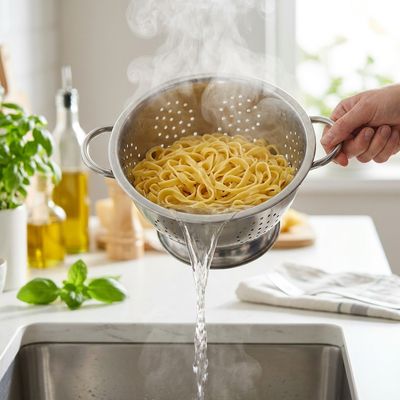
How to Drain Noodles
How to Shred Cheddar Cheese
How To Make Brown Rice
How to Calibrate an Instant-Read Meat Thermometer

White Wine: Uses, Substitutes, and How to Store It
How to Substitute Greek Yogurt and Sour Cream in Any Recipe
How To Cook Quinoa
Gochujang Sauce Base for Korean Cooking
15 min
Worcestershire Sauce: Uses, Substitutes, and How to Store It
Comments
(0)Sign in to leave a comment.
You Might Like
Ad Space Available
Be the first to leave a comment.