Understanding Mushroom Origins
Most common culinary mushrooms, like the Button, Cremini, and Portobello, are varieties of the species Agaricus bisporus. Originally cultivated in 17th-century France, these fungi grow in dark, damp environments. Because they lack a protective skin, they are highly sensitive to moisture and ambient humidity once harvested.
How to Choose the Best Mushrooms
Success begins at the grocery store. Look for mushrooms that are firm to the touch, not spongy. The caps should be smooth and free of dark, soft spots or 'bruising.' For button and cremini mushrooms, check the gills; a closed veil (where the cap meets the stem) indicates a fresher, milder mushroom, while open gills suggest a deeper, more developed flavor but a shorter shelf life.
The Proper Way to Clean Mushrooms
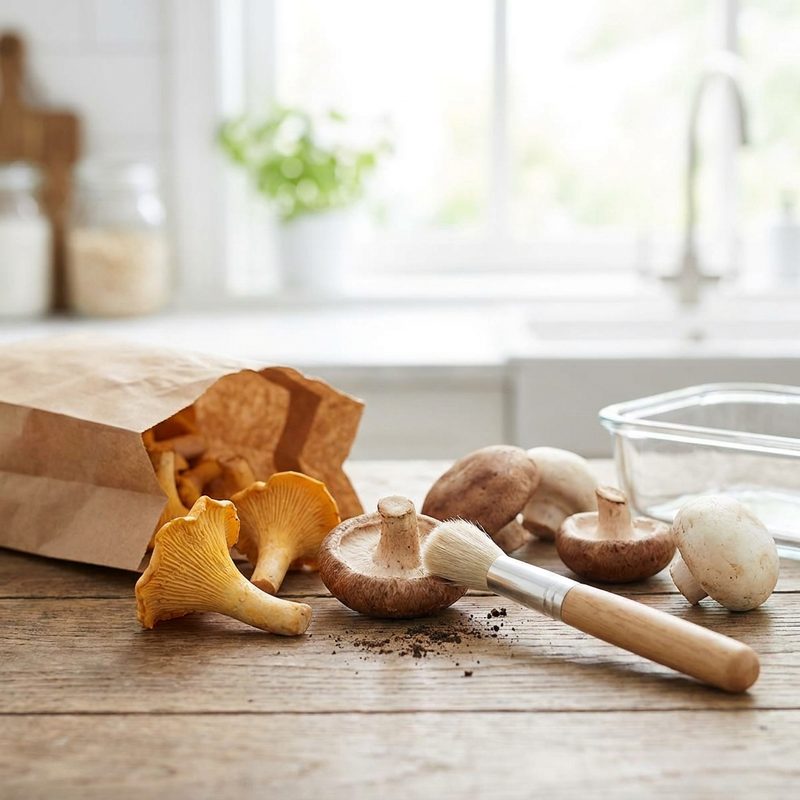
The biggest mistake is soaking mushrooms in water. Because of their porous structure, they will absorb liquid, which ruins their ability to brown in the pan. Instead, use a damp paper towel or a soft mushroom brush to gently wipe away any visible peat moss or dirt. If they are particularly gritty, a very brief rinse under cold running water is acceptable, provided you immediately pat them dry with a clean kitchen towel.
Storage Techniques to Prevent Slime
The 'slime' you see on old mushrooms is a result of trapped moisture and bacterial growth. Never store mushrooms in the original plastic-wrapped container. Instead, transfer them to a brown paper bag. The paper allows the mushrooms to breathe and absorbs excess moisture. Place the bag in the main body of the refrigerator rather than the high-humidity crisper drawer.
Common Mistakes to Avoid
Avoid washing mushrooms ahead of time; only clean them right before you are ready to cook. Additionally, never store them near strong-smelling foods like onions or garlic, as mushrooms easily absorb surrounding odors. Finally, don't peel the skins, as this removes flavor and texture.
Substitutes and Swaps
If you cannot find fresh mushrooms, dried mushrooms (like porcini or shiitake) are an excellent substitute when reconstituted in hot water. For a different texture profile, you can swap mild button mushrooms for meatier varieties like Portobellos or Oyster mushrooms depending on the dish's requirements.
Key Takeaways
- ✓ <ul><li>The Paper Bag Trick: Always use paper over plastic to allow for air circulation.</li><li>Salt Timing: Only salt mushrooms at the end of the cooking process to prevent them from releasing water too early.</li><li>Room to Breathe: When cooking, don't crowd the pan, or the mushrooms will steam in their own juices instead of browning.</li><li>Trim the Stems: Always trim the very bottom of the woody stem, but keep the rest for flavor unless using shiitakes.</li></ul>