Recipe Details
"Braising is a fundamental culinary technique that combines dry and moist heat to break down tough connective tissues. This guide covers everything from choosing the right meat to the final slow-simmering process, ensuring your comfort food is always a success."
Ingredients
| Qty | Item |
|---|---|
| Ingredient list coming soon. | |
How to Make A Beginner's Guide to Braising: How to Make Tough Cuts Tender
Section 1: The Magic of Braising
Braising is a "low and slow" cooking method that uses both dry and moist heat. It is specifically designed to transform tough, collagen-rich cuts of meat into succulent, fork-tender bites. By cooking meat at a low temperature submerged in a small amount of liquid, the tough connective tissues slowly dissolve into gelatin, creating a rich sauce and incredibly moist meat.
Section 2: Selecting Your Meat
Success starts at the butcher counter. Look for "tough" cuts like beef chuck roast, short ribs, lamb shanks, or pork shoulder. These cuts are often cheaper but contain the fat and connective tissue necessary to prevent the meat from drying out during the long cooking process. Avoid lean cuts like chicken breast or pork loin, which will become stringy and dry if cooked this way.
Section 3: Searing for Flavor
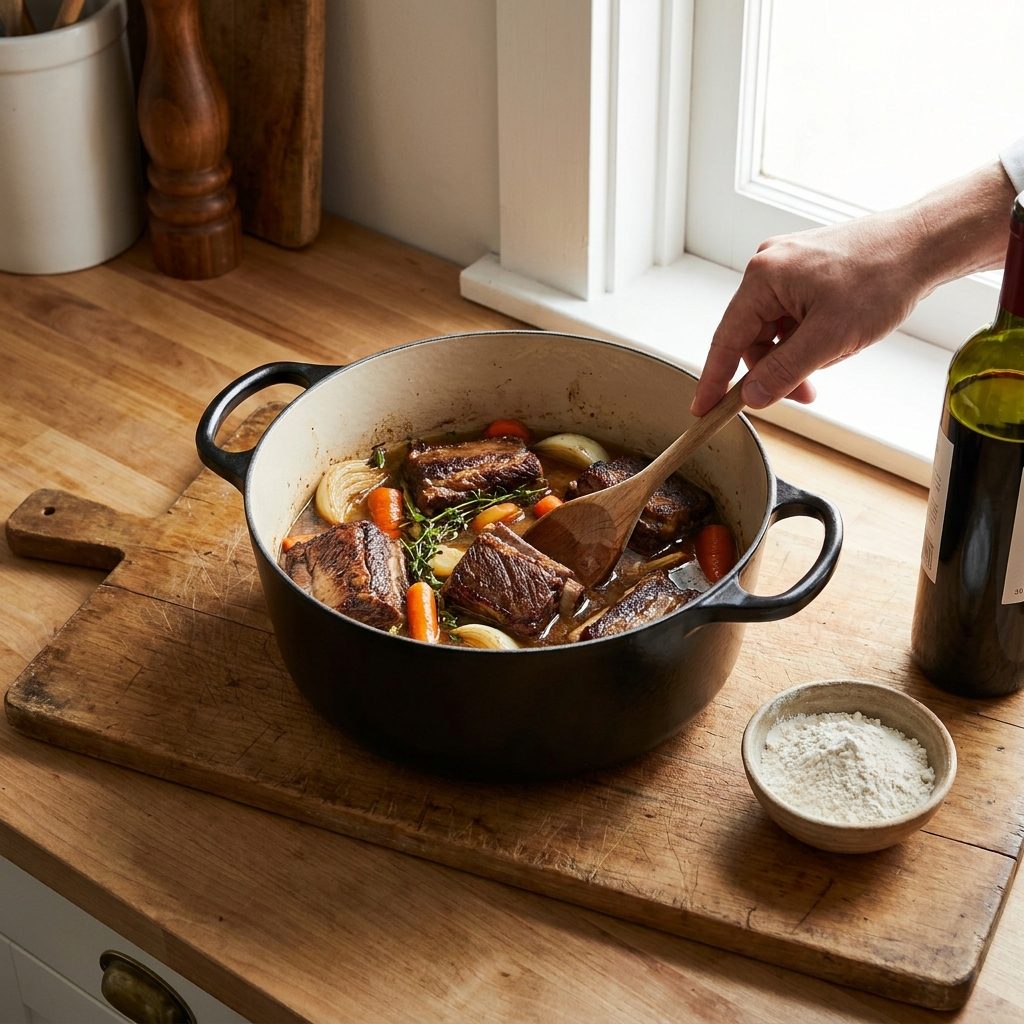
The first active step is searing. Pat the meat dry with paper towels and season generously with salt and pepper. Heat a small amount of oil in a heavy-bottomed pot—ideally a Dutch oven—over medium-high heat. Brown the meat on all sides until a deep, dark crust forms. This is the Maillard reaction, and it is essential for building the deep savory base for your sauce.
Section 4: Aromatics and Deglazing
Remove the meat and set it aside. In the same pot, sauté aromatics like onions, carrots, and celery. Once softened, add "deglazing" liquid like wine, broth, or a splash of vinegar. Use a wooden spoon to scrape up the "fond"—those browned bits stuck to the bottom of the pan—as they contain concentrated flavor. Return the meat to the pot once the liquid is bubbling.
Section 5: The Low and Slow Simmer
Add enough liquid (stock, water, or crushed tomatoes) so that the meat is about halfway to two-thirds submerged. Bring the liquid to a gentle simmer, then cover the pot with a tight-fitting lid. You can continue the cook on the stovetop over very low heat or in a 300°F (150°C) oven. Cook until the meat is "fork-tender," meaning it pulls apart with almost no resistance, which usually takes 2 to 4 hours depending on the cut.
Tips for Best Results
-
·
<html><ul><li>Always pat your meat dry before searing; moisture creates steam and prevents proper browning.</li><li>Invest in a heavy cast-iron Dutch oven for even heat distribution and a tight seal that prevents liquid evaporation.</li><li>Don't rush the process; if the meat is still tough, it likely just needs more time for the collagen to break down.</li><li>Braising is often better the next day, as the flavors have more time to meld and develop in the refrigerator.</li></ul></html>
Frequently Asked Questions
What is the difference between braising and stewing?
Can I braise in a slow cooker or Crock-Pot?
Should the meat be completely covered in liquid?
Why is my braised meat still tough after several hours?
What to Cook Next

Next Recipe
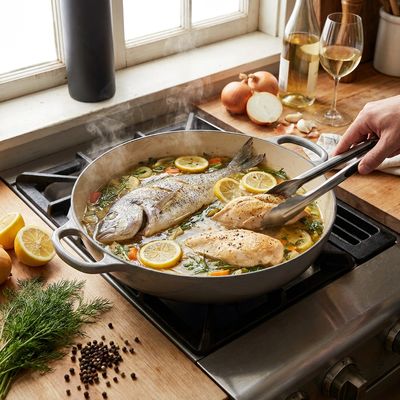
The Secret to Poaching Fish and Poultry in Flavorful Liquids
Poaching is a gentle cooking technique that relies on low heat and aromatic liquids to produce incredibly tender proteins. This guide reveals the secrets to mastering 'the shiver' for restaurant-quality fish and poultry at home.
Similar Recipes to Try
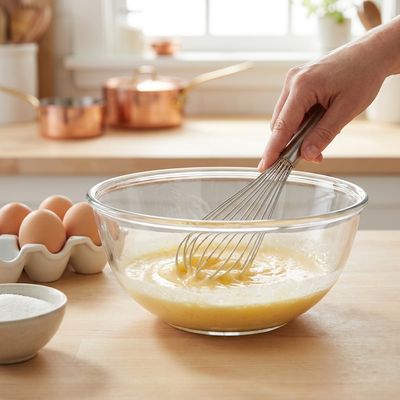
How to Whisk Egg Yolks
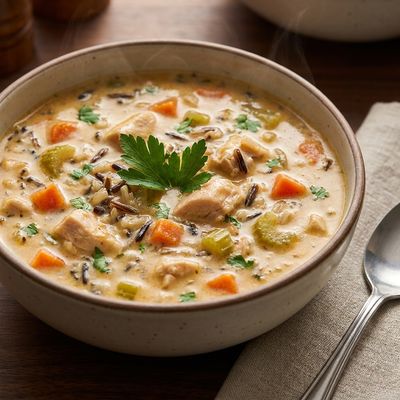
Crock Pot Creamy Chicken and Wild Rice Soup
375 min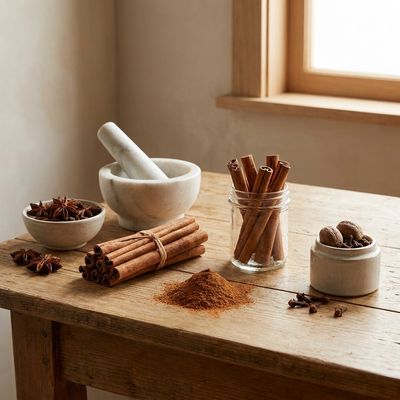
Cinnamon: Uses, Substitutes, and How to Store It
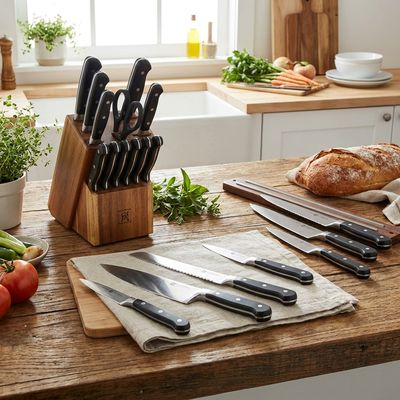
The Ultimate Guide to Choosing the Right Kitchen Knife Set

How to Calibrate an Instant-Read Meat Thermometer
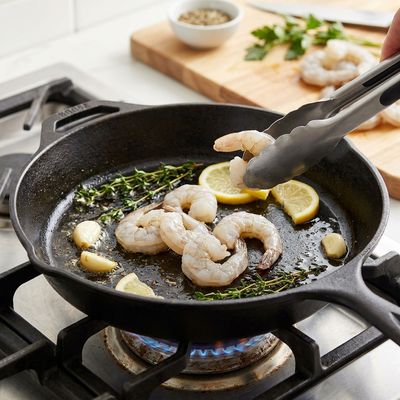
How To Cook Shrimp

How To Boil Eggs
17 min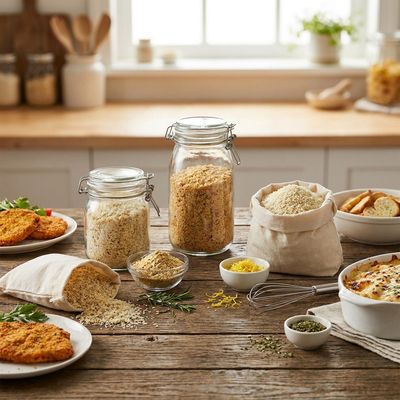
Breadcrumbs: Uses, Substitutes, and How to Store It
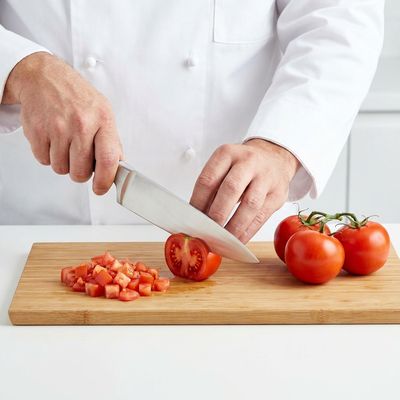
How to Chop Tomatoes
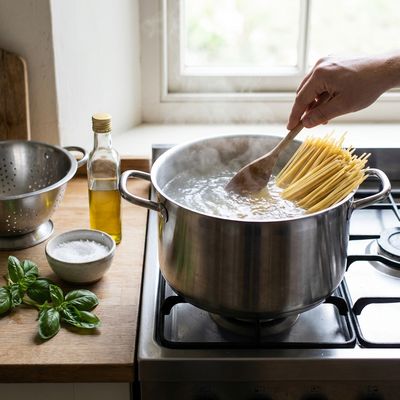
How To Cook Pasta
14 minComments
(0)Sign in to leave a comment.
You Might Like
Ad Space Available
Be the first to leave a comment.