What Celery Is
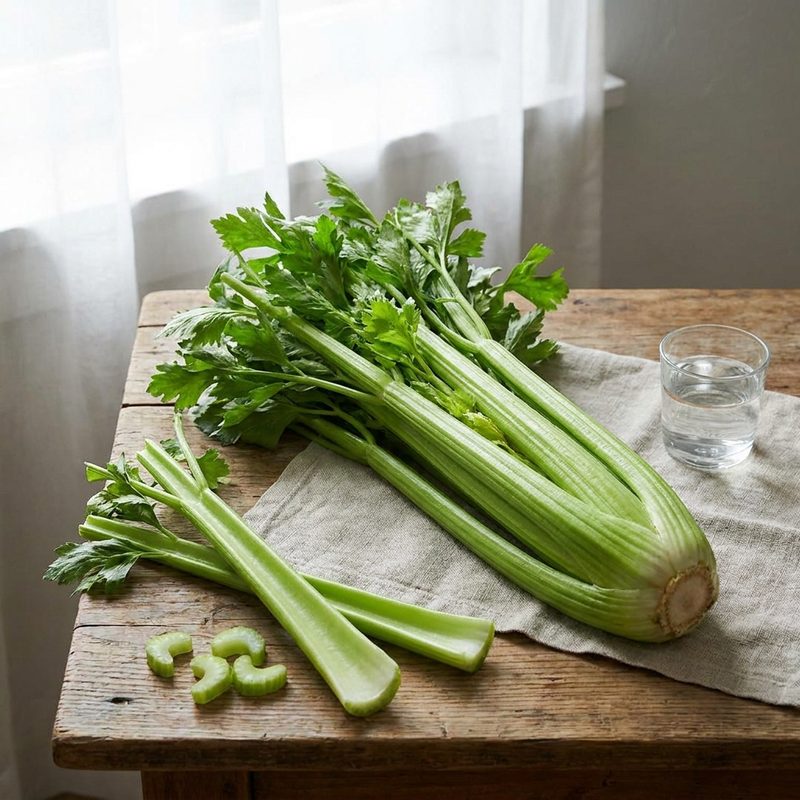
Celery (Apium graveolens) is a biennial plant from the Apiaceae family, which also includes carrots, parsley, and fennel. It is grown for its long, fibrous stalks that form a tight bunch. Celery has a mild, slightly peppery flavour and a satisfying crunch. It is native to the Mediterranean region and has been cultivated for centuries as both a vegetable and a flavouring agent.
How to Choose Celery
Look for celery bunches that feel firm and heavy for their size. The stalks should be straight, crisp, and snap easily when bent. Avoid bunches with limp, rubbery, or cracked stalks. The leaves should be fresh and green, not yellow or wilted. The colour of the stalks can range from pale green to deep green; darker stalks tend to have more flavour. For the best texture, choose celery with tightly packed stalks.
How to Use Celery in Cooking
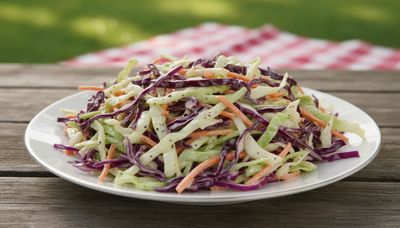
Celery is a versatile vegetable that can be eaten raw or cooked. When using raw, wash the stalks thoroughly and trim the base and leaves. For a milder flavour, peel the outer strings with a vegetable peeler. Dice celery finely for salads, coleslaw, or as a crunchy topping for soups. In cooked dishes, celery is a key component of mirepoix (a 2:1:1 ratio of onion, celery, and carrot) used as a base for soups, stews, and sauces. Sauté diced celery in oil or butter for 3–5 minutes over medium heat until softened but not browned. Celery can also be braised whole or in large pieces in stock or wine for 20–30 minutes until tender. For stocks, add celery in large chunks and simmer for 45–60 minutes, then strain. Celery leaves are edible and can be used as a herb; add them to salads or use as a garnish.
Substitutes for Celery
1. Fennel – Use raw fennel bulb, sliced or diced, in equal volume as celery. Fennel has a similar crunch and a mild anise flavour that works well in salads and slaws. In cooked dishes, fennel becomes sweeter and softer, which can alter the flavour profile slightly. Use a 1:1 ratio.
2. Jicama – Peel and julienne or dice jicama to replace raw celery in salads or as a crunchy snack. Jicama is less watery and has a slightly sweeter, nuttier taste. Use a 1:1 ratio. It does not soften well when cooked, so avoid using it in soups or stews.
3. Cucumber – For raw applications, use peeled and diced cucumber as a 1:1 substitute for celery. Cucumber is more watery and has a milder flavour, so it works best in salads and dips. It does not hold up to cooking and should not be used in hot dishes.
How to Store Celery
In the pantry, whole celery can be stored for up to 2 days at cool room temperature, but it will quickly lose crispness. For longer storage, place celery in the refrigerator. Wrap the whole bunch tightly in aluminium foil or place it in a plastic bag with a damp paper towel; this keeps it crisp for 1–2 weeks. For cut celery, store pieces in a sealed container covered with cold water; change the water every 2 days, and it will stay crisp for up to 5 days. To freeze celery, wash and chop it into desired sizes, then blanch in boiling water for 2 minutes, plunge into ice water, drain, and pack into freezer bags. Frozen celery will keep for 10–12 months but is best used in cooked dishes as it loses its crunch. Do not thaw before adding to soups or stews.
Common Mistakes
1. Not removing the strings. – The outer stalks of celery have tough, fibrous strings that can be unpleasant to eat raw. Peel the outer stalks with a vegetable peeler or use a paring knife to remove the strings before using in salads or raw preparations. For cooked dishes, the strings soften enough that peeling is optional.
2. Overcooking celery until it becomes mushy. – Celery should be cooked until tender but still have a slight bite. For sautéing, cook diced celery for 3–5 minutes. For braising, cook for 20–30 minutes. Overcooking turns it into a watery, flavourless mush.
3. Storing celery in a sealed plastic bag without moisture. – Celery needs humidity to stay crisp. If stored in a dry, sealed bag, it will wilt and become rubbery within a few days. Wrap it in foil or use a damp paper towel inside the bag to maintain moisture.
Key Takeaways
- ✓ <ul><li>To revive limp celery, soak it in ice water for 10–15 minutes; it will become crisp again.</li><li>Use celery leaves as a herb in soups, stocks, or as a garnish – they have a concentrated celery flavour.</li><li>For the best texture in salads, cut celery on a bias (diagonal) to create larger surface areas that hold dressing better.</li><li>Add celery to the freezer bag when making vegetable stock – it adds depth of flavour even when frozen.</li></ul>