Recipe Details
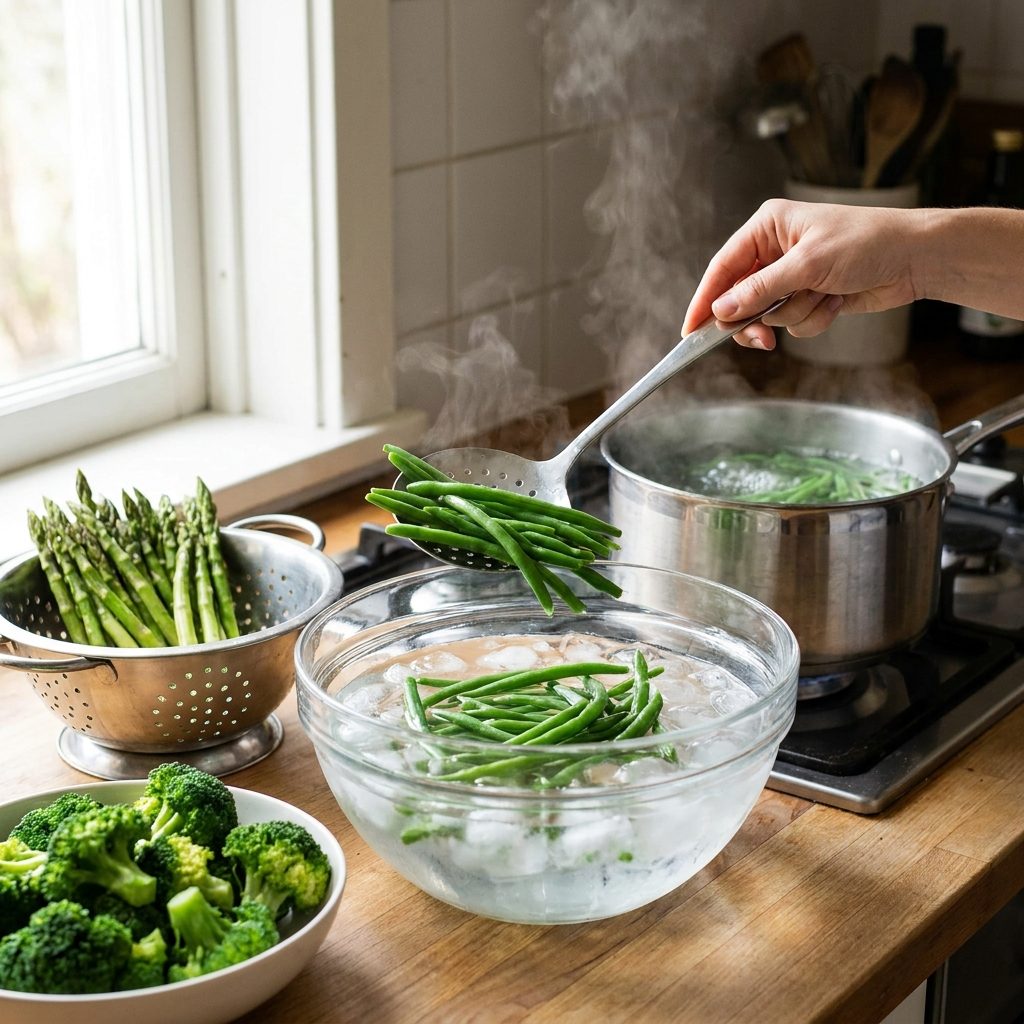
"Blanching and shocking is a fundamental kitchen technique that preserves the flavor, texture, and vibrant color of fresh produce. By briefly boiling and then rapidly cooling vegetables, you stop the cooking process at the precise moment of perfection."
Ingredients
| Qty | Item |
|---|---|
| Ingredient list coming soon. | |
How to Make How to Blanch and Shock Vegetables to Keep Them Crisp and Green
Step 1: Prepare Your Equipment and Ice Bath
Begin by bringing a large pot of water to a rolling boil. While the water heats, prepare an "ice bath" by filling a large bowl with cold water and a generous amount of ice. This bath must be ready before the vegetables hit the boiling water, as the transition must be immediate.
Step 2: Season the Boiling Water
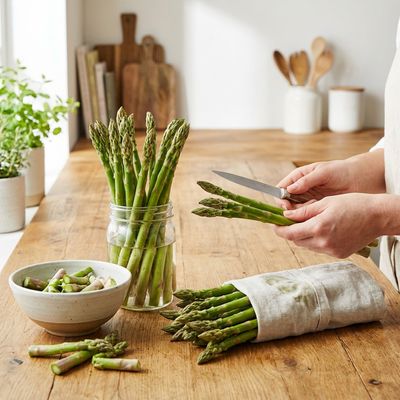
Once the water reaches a vigorous boil, add a heavy pinch of salt. Salted water not only seasons the vegetables but also helps to further lock in the green color of chlorophyll-rich vegetables like broccoli, asparagus, and green beans.
Step 3: Blanching the Vegetables
Carefully drop your prepared vegetables into the boiling water. Work in batches to ensure the water temperature does not drop too significantly. Cook the vegetables until they are just tender-crisp and have reached their most vibrant color. This usually takes between 60 seconds and 5 minutes depending on the density of the vegetable.
Step 4: Shocking to Stop the Cook
Use a slotted spoon or spider strainer to immediately transfer the vegetables from the boiling water directly into the prepared ice bath. Stir them gently in the ice water to ensure they are fully chilled. This "shocks" the vegetable, instantly halting the internal cooking process that would otherwise lead to a mushy texture and dull color.
Step 5: Drain and Dry Thoroughly
Once the vegetables are completely cold to the touch, remove them from the ice bath. Drain them in a colander and pat them dry with a clean kitchen towel. Removing excess moisture is vital if you intend to store the vegetables or finish them in a pan with butter or oil.
Tips for Best Results
-
·
<ul><li>Use a ratio of at least one gallon of water per pound of vegetables to maintain a steady boil.</li><li>The water should be salty enough to taste like the ocean; this prevents minerals from leaching out of the food.</li><li>Always test a piece of the vegetable for doneness toward the end of the suggested blanching time.</li><li>If you are preparing vegetables for freezing, blanching is a mandatory step to deactivate enzymes that cause spoilage.</li></ul>
Frequently Asked Questions
How long should I blanch different vegetables?
Can I reuse the blanching water for different vegetables?
Do I have to use ice for the shocking step?
Why did my vegetables turn brown after blanching?
What to Cook Next

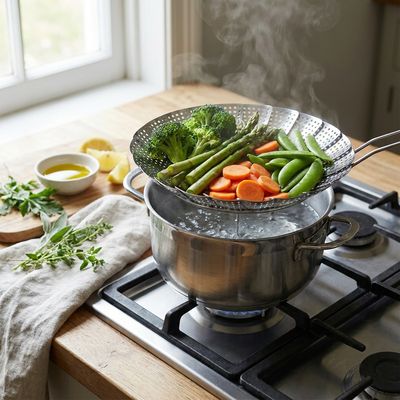
Next Recipe
How To Steam Vegetables
Steaming is a foundational culinary skill that preserves the vibrant color, crunch, and nutritional integrity of your produce. This guide provides step-by-step instructions for mastering this gentle cooking method using various kitchen tools.
Similar Recipes to Try

Tadka Tempering for Indian Dals
10 min
Hatch Green Chile Stew with Pork
110 min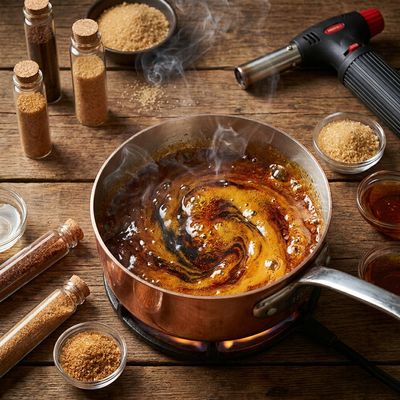
How Caramelization Works: The Science of Cooking Sugar for Flavor and Color
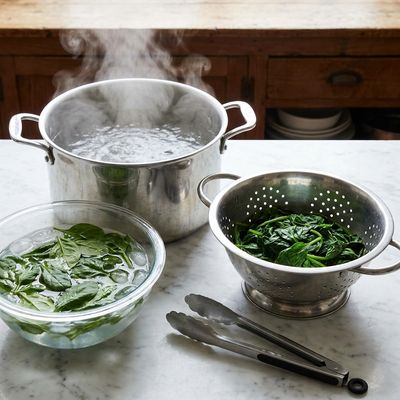
How to Blanch Spinach
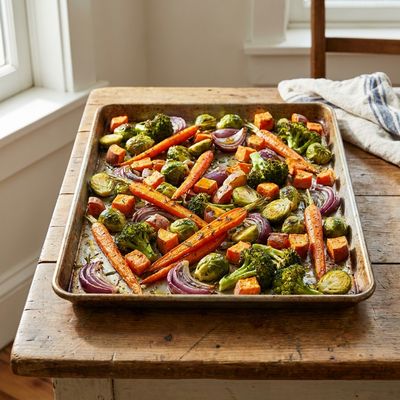
How to Roast Any Vegetable: Temperature, Oil, and Timing

How To Boil Eggs
17 min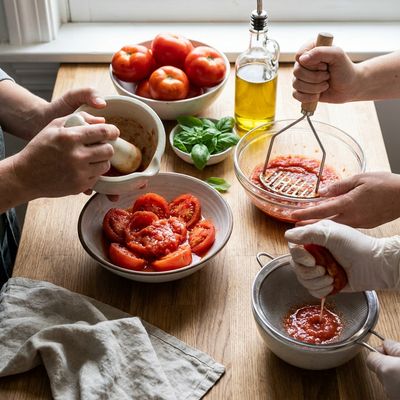
How to Crush Tomatoes
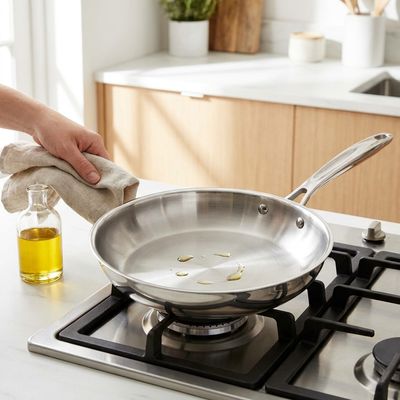
Why Your Stainless Steel Pans Keep Sticking and How to Fix It

How to Dice Tomatoes
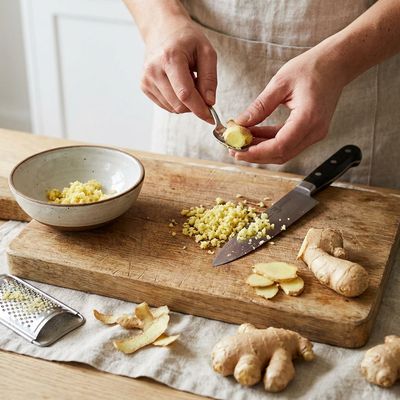
How to Peel and Mince Fresh Ginger Easily
Comments
(0)Sign in to leave a comment.
You Might Like

Ad Space Available
Be the first to leave a comment.