What It Is and Which Form You Have
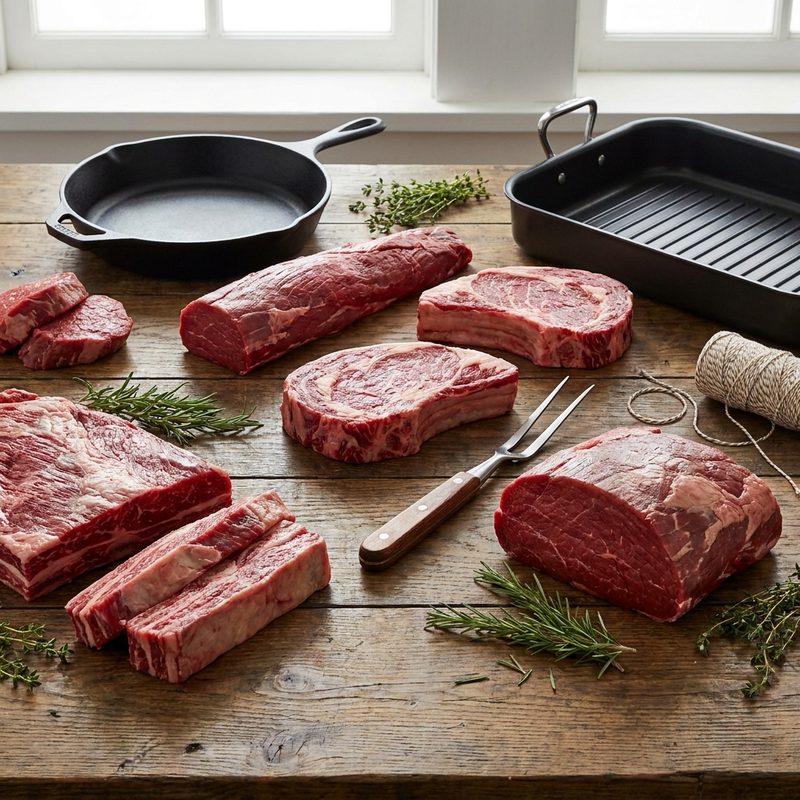
The four major beef primal cuts are chuck, loin, rib and round, and retail names can vary by region. A thermometer, not colour alone, is the reliable check for a safe internal temperature. Identify the form before following a recipe: related forms can differ in texture, concentration, heat tolerance or the job they do in a dish. For more detail, see our guide to braise tough cuts.
How to Choose It
Insert a thermometer into the thickest part of a beef roast, steak or chop, avoiding bone, fat and gristle. Use these concrete cues at the shop and again before preparation. If a sealed product has no source-backed visual test, follow its label and reject damaged packaging rather than guessing from appearance alone. For more detail, see our guide to rest meat after cooking.
How to Use It in Recipes
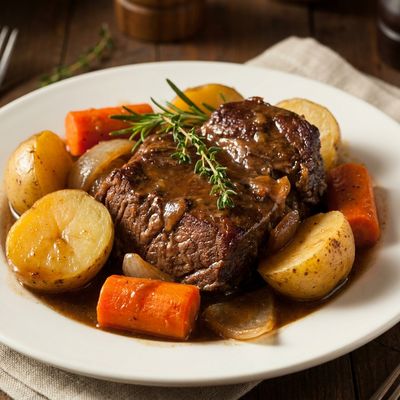
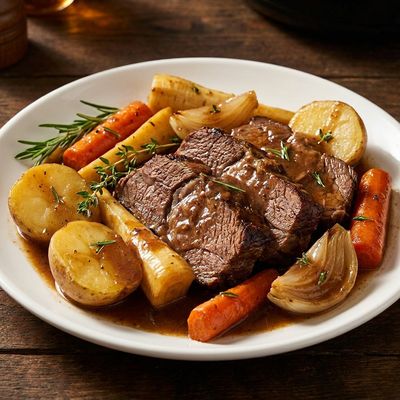
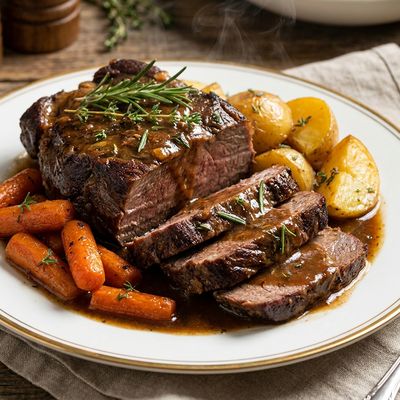
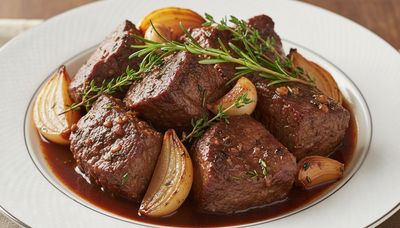
Chuck and round are generally less tender and suit moist-heat methods such as braising; loin and rib suit dry-heat methods such as grilling or broiling. Fresh steaks and roasts should be refrigerated at 40 degrees Fahrenheit and used or frozen within three to five days. Cook whole-muscle beef steaks and roasts to at least 145 degrees Fahrenheit and rest for at least three minutes; ground beef requires 160 degrees Fahrenheit. Let the intended technique decide the form. A finishing ingredient, a blended ingredient and one expected to hold its shape are not always interchangeable, even when their names are similar.
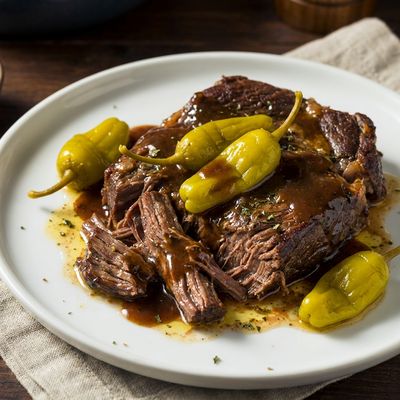
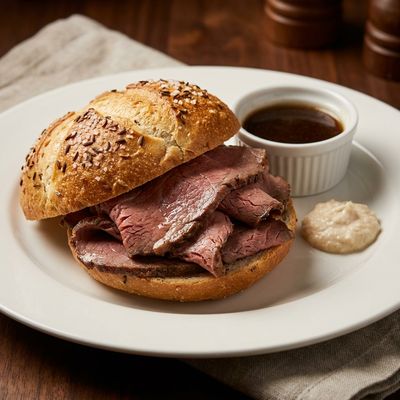
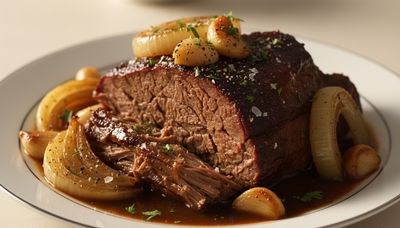
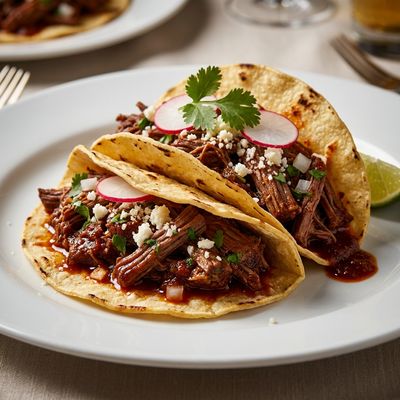
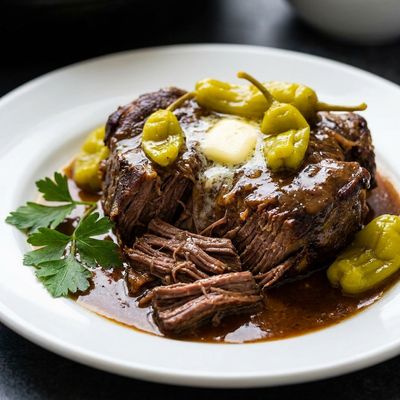
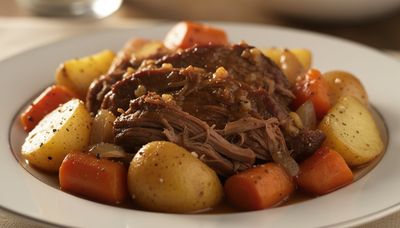
See Mississippi Pot Roast for a concrete Recipe.net example. See Beef on Weck with Kummelweck Roll for a concrete Recipe.net example. See Instant Pot Pot Roast for a concrete Recipe.net example. See Slow Cooker Mexican Shredded Beef Tacos for a concrete Recipe.net example. These recipes contain an exact beef cuts match in their saved instructions, so they are practical next steps rather than loosely related recommendations.
How to Choose a Substitute
For thin foods, insert the probe through the side so the sensing area reaches the centre. Choose a replacement by function, not by appearance alone. Unless the checked sources state a conversion, adjust cautiously and expect a change in flavour, texture or cooking behaviour instead of assuming a universal ratio.
How to Store It
Apply the instruction to the exact form and condition you have—whole, cut, opened, cooked or frozen. A storage window describes quality under the stated conditions; it never overrides clear signs of deterioration.
Common Mistakes to Avoid
The avoidable mistake is carrying one rule across every form. Keep the ingredient dry or cold where the evidence requires it, and treat an explicit safety instruction as more important than convenience.
Sources
- Beef From Farm to Table (USDA Food Safety and Inspection Service)
- Food Thermometers (USDA Food Safety and Inspection Service)
Key Takeaways
- ✓ Read the recipe's full ingredient line before swapping beef cuts; the form and intended job matter.
- ✓ Store beef cuts according to its current condition—unopened, opened, cut or cooked—not by one blanket rule.
- ✓ Treat a missing ratio, temperature or storage period as unresolved instead of turning an estimate into a rule.