Recipe Details
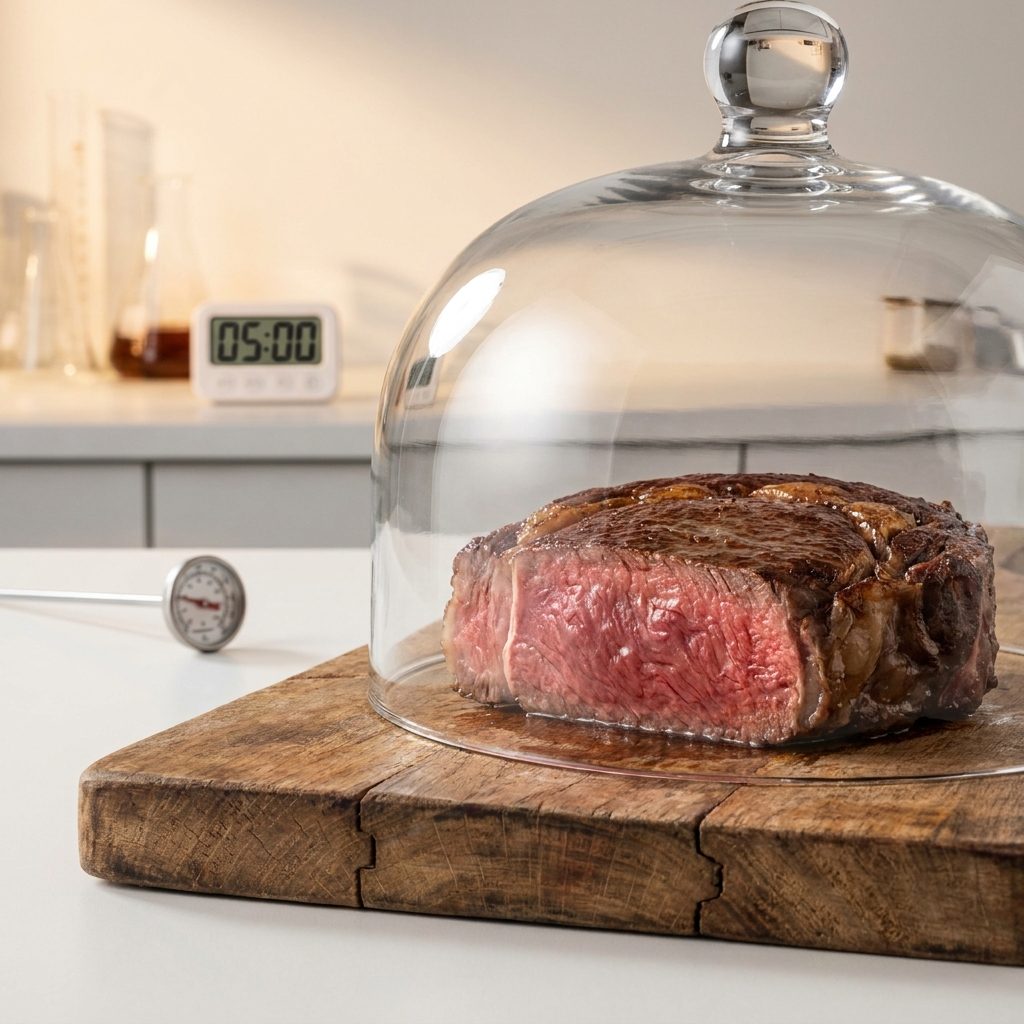
"Resting meat is the final, crucial step in the cooking process that many home cooks skip. By understanding the cellular biology of muscle fibers, you can ensure your steaks are succulent rather than dry."
Ingredients
| Qty | Item |
|---|---|
| Ingredient list coming soon. | |
How to Make Why You Should Rest Meat After Cooking: The Science of Juicy Steaks
The Anatomy of Muscle and Moisture
To understand resting, you must first understand that meat is approximately 75% water. This water is held inside long, thin muscle fibers. When you apply high heat to a steak, those protein fibers contract and tighten, much like a squeezed sponge. This pressure pushes the internal moisture toward the center of the cut and out toward the surface, which is why you see sizzling moisture on the exterior of a steak as it sears.
The Physics of Pressure and Heat
During the cooking process, the heat causes the proteins to become firmer and less able to hold onto their liquid. If you slice into a steak immediately after removing it from the pan, the internal pressure is still high, and the fibers are still constricted. The juice has nowhere to go but out onto your cutting board, leaving the actual meat dry and chewy.
Reabsorption and Relaxation
Once the meat is removed from the heat source, the temperature begins to equalize. As the outer layers of the meat cool slightly, the tightly wound muscle fibers begin to relax. This relaxation creates space for the moisture to migrate back from the center and be reabsorbed by the fibers throughout the entire cut. Additionally, as the meat cools slightly, the juices become more viscous (thicker), which helps them stay locked within the protein structure rather than running off.
The Role of Carryover Cooking
Resting isn't just about moisture; it's about finishing the cook. Even after you remove a steak from the grill, its internal temperature will continue to rise by 5 to 10 degrees due to residual heat. This is known as carryover cooking. Resting allows this process to complete gently, ensuring the steak reaches its target temperature without the risk of overcooking the exterior.
Tips for Best Results
-
·
<html><ul><li>Rest steaks for at least 5 to 10 minutes, and larger roasts for 15 to 30 minutes.</li><li>Tent the meat loosely with aluminum foil to retain heat without trapping steam, which can soften a hard-earned crust.</li><li>Always use a warm plate for resting to prevent the bottom of the meat from cooling too rapidly.</li><li>Slice against the grain after resting to further enhance the perceived tenderness of the meat.</li></ul></html>
Frequently Asked Questions
Won't the meat get cold while resting?
Does this apply to chicken and pork too?
What happens if I cut it immediately?
Should I rest meat that has been sous-vide?
What to Cook Next

Next Recipe
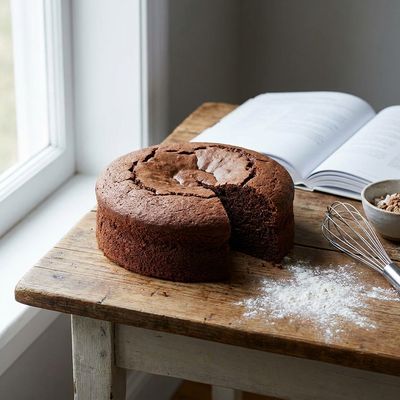
Why Did My Cake Sink in the Middle? Troubleshooting and Fixes
Few things are as frustrating as pulling a beautiful cake out of the oven only to watch the center collapse into a crater. Understanding the delicate balance of heat, air, and structural integrity is the key to preventing a sunken cake and achieving a perfect rise every time.
Similar Recipes to Try

Why You Should Use the FIFO Method for Pantry Organization
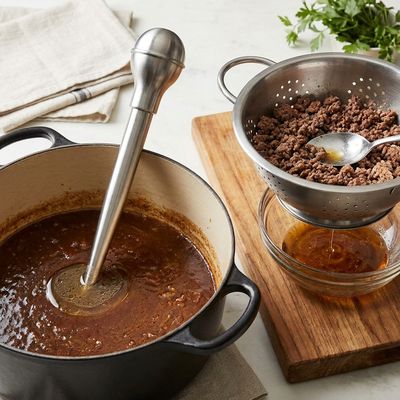
How to Drain Excess Fat
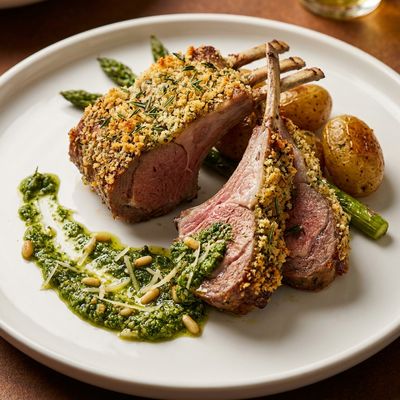
Herb-Crusted Rack of Lamb with Mint Pesto
50 min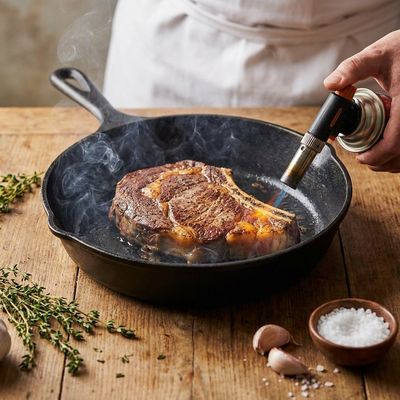
The Science of the Maillard Reaction: How to Get Perfect Searing and Browning
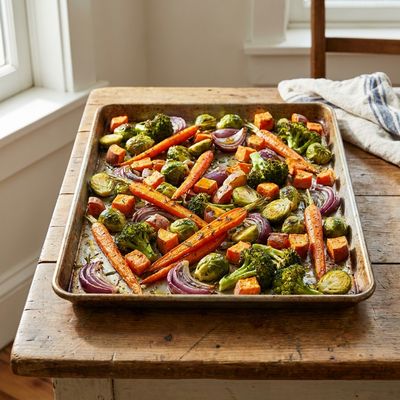
How to Roast Any Vegetable: Temperature, Oil, and Timing
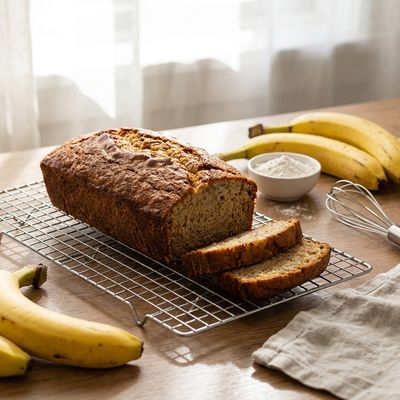
How To Make Banana Bread
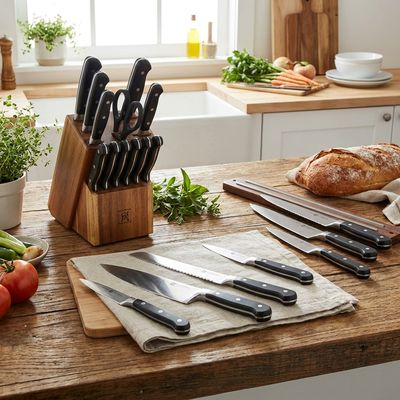
The Ultimate Guide to Choosing the Right Kitchen Knife Set
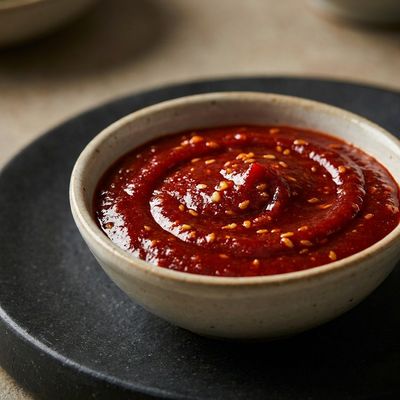
Gochujang Sauce Base for Korean Cooking
15 min
Shrimp Scampi Pasta
30 min
The Best Cooking Oil Substitutes for High-Heat vs. Cold Dishes
Comments
(0)Sign in to leave a comment.
You Might Like

Ad Space Available
Be the first to leave a comment.