Recipe Details
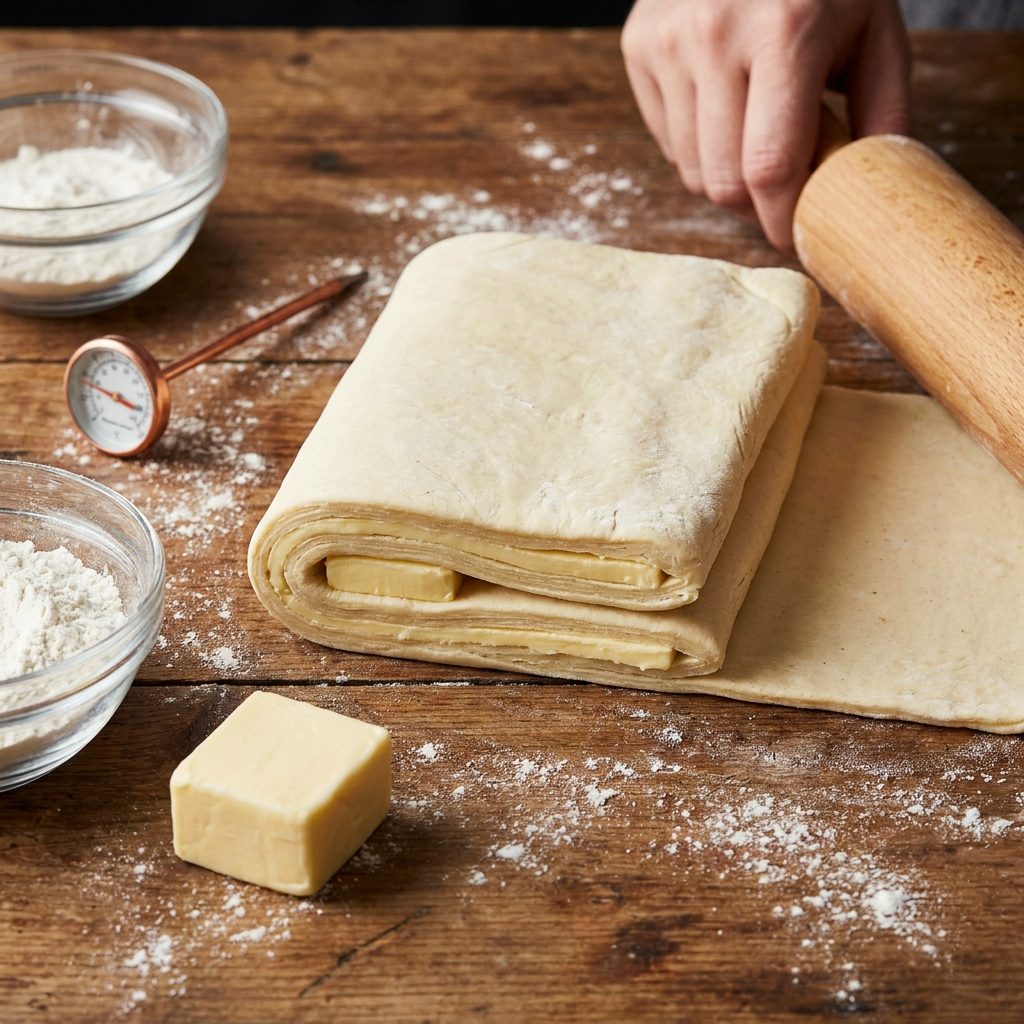
"Achieving a shatteringly crisp pie crust or an airy croissant depends on one critical factor: the temperature of your fat. This deep dive explores the physics of steam and the chemistry of gluten to explain why cold butter is the secret to perfect pastry layers."
Ingredients
| Qty | Item |
|---|---|
| Ingredient list coming soon. | |
How to Make Why Cold Butter is Key to Flaky Pastry: The Science of Lamination
The Composition of Butter
To understand why butter must stay cold, we first have to look at what butter is. Commercial butter is typically composed of 80-82% milkfat, 16-18% water, and about 1-2% milk solids. When you incorporate cold chunks of butter into flour, you are essentially creating thousands of tiny 'fat reservoirs' distributed throughout the dough. Because the butter is solid, it remains distinct from the flour rather than soaking into it.
The Role of Gluten Inhibition
When flour meets water, gluten proteins (gliadin and glutenin) begin to bond, creating a stretchy, elastic network. While some gluten is necessary for structure, too much results in a tough, bread-like crust. Cold butter acts as a physical barrier. By coating small pockets of flour, the fat prevents those areas from hydrating and forming gluten. This ensures the final product remains tender rather than chewy.
The Physics of Steam Expansion
The real magic happens in the oven. As the pastry bakes, the temperature of those cold butter chunks rises rapidly. At 212°F (100°C), the water content trapped within the butter turns into steam. Because the butter was solid and cold when it went in, it created distinct layers or pockets. As the steam expands, it physically pushes the layers of dough upward and outward before the heat sets the proteins in the flour. This process is what creates 'lift' and those characteristic flaky layers.
Lamination: The Art of Layering
In advanced pastries like puff pastry or croissants, a process called lamination is used. This involves folding a sheet of cold butter into dough multiple times. Each fold creates hundreds of alternating layers of fat and dough. If the butter melts during this process, it integrates into the flour, turning the dough into a homogenous mass. Instead of rising into light flakes, the pastry will be heavy, dense, and greasy because the steam has no distinct 'pockets' to expand into.
The Temperature Danger Zone
Butter has a relatively low melting point, usually between 90°F and 95°F. However, it begins to soften significantly at room temperature (around 68°F). Once butter reaches this 'plastic' state, it can no longer maintain the structural integrity required to keep dough layers separate. This is why many recipes insist on chilling the dough multiple times; it ensures the fat remains a solid 'spacer' between the layers of flour until the moment it hits the intense heat of the oven.
Tips for Best Results
-
·
<html><ul><li>Freeze your butter for 15 minutes before grating or cubing it to ensure it stays solid longer.</li><li>Chill your mixing bowl and pastry blender in the refrigerator to prevent heat transfer while working the dough.</li><li>Handle the dough as little as possible; the heat from your hands is enough to melt the butter.</li><li>If the dough feels soft or sticky at any point, stop and put it in the fridge for 20 minutes before continuing.</li><li>Use high-fat European-style butter (82% fat or higher) for even more pronounced lamination and flavor.</li></ul></html>
Frequently Asked Questions
Can I use room temperature butter for pie crust?
Why did my butter leak out of my pastry in the oven?
Does the size of the butter chunks matter?
Can I use shortening instead of butter?
What to Cook Next

Next Recipe
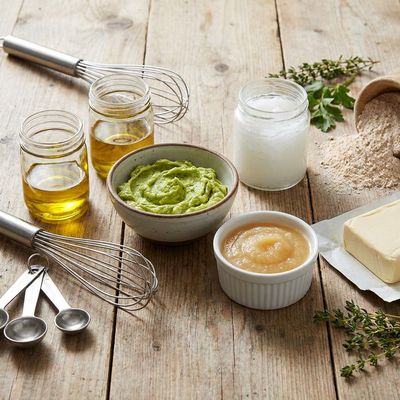
How Smoke Points Affect Your Cooking: A Guide to Choosing the Right Oil
Choosing the right fat is about more than just flavor; it is a matter of chemistry. This guide explains the science of smoke points to help you achieve better textures and safer results in your kitchen.
Similar Recipes to Try
Perfect Roast Chicken
95 min
Classic Tiramisu
40 min
Winter Squash Soup
65 min
Cinnamon Sugar Air Fryer Apple Chips
30 min
Butter Naan Cooked in a Cast Iron Pan
35 min
Naengmyeon Cold Buckwheat Noodles
80 min
Butter Chicken with Creamy Tomato Gravy
50 min
Classic Pumpkin Pie
75 min
A Complete Guide to Reducing Liquids for Intense Flavor

Baked Lemon Garlic Tilapia
22 minComments
(0)Sign in to leave a comment.
You Might Like

Ad Space Available
Be the first to leave a comment.