Recipe Details
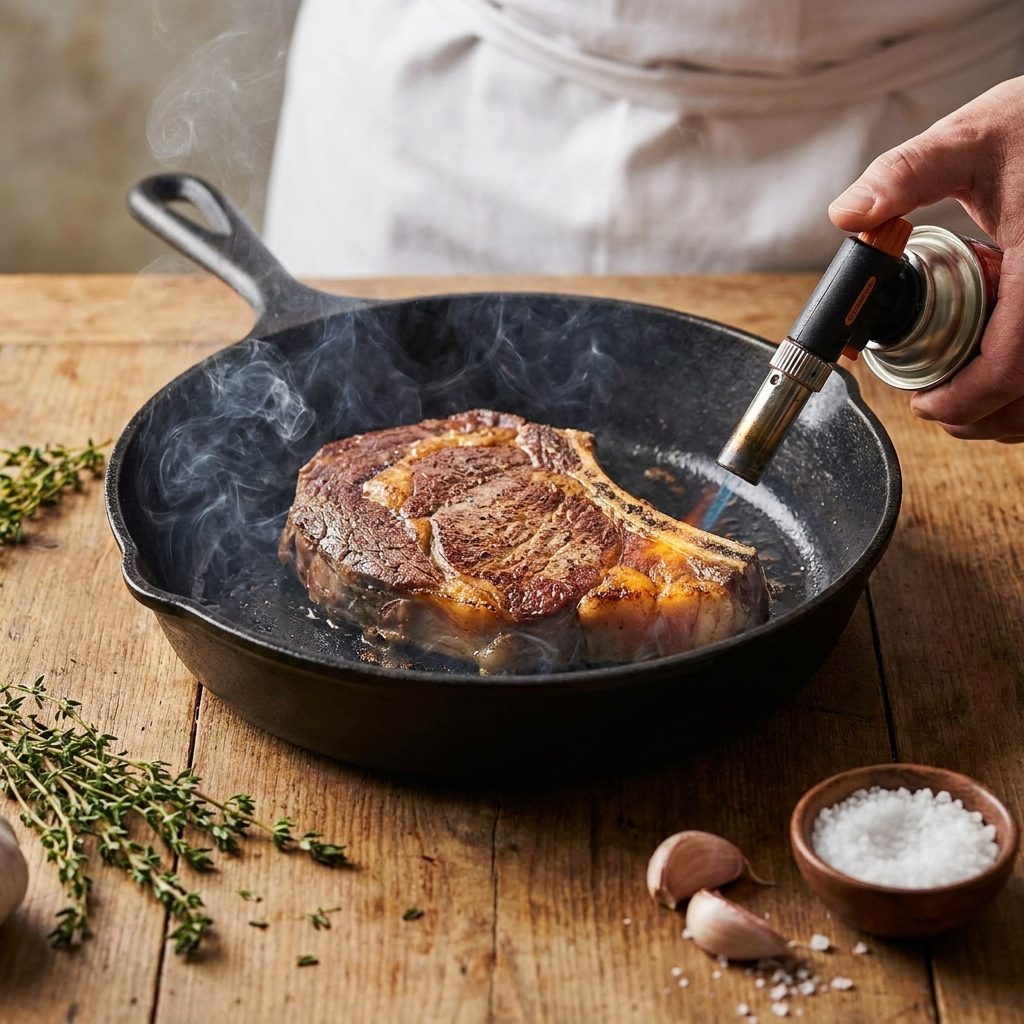
"The Maillard reaction is the chemical secret behind the savory, complex flavors of browned food. Understanding how heat, moisture, and pH levels interact allows any cook to achieve restaurant-quality results at home."
Ingredients
| Qty | Item |
|---|---|
| Ingredient list coming soon. | |
How to Make The Science of the Maillard Reaction: How to Get Perfect Searing and Browning
What is the Maillard Reaction?
Named after French chemist Louis-Camille Maillard, this reaction is a chemical process between amino acids and reducing sugars that occurs when food is heated. Unlike caramelization, which only involves the oxidation of sugar, the Maillard reaction creates hundreds of different flavor compounds and deep brown pigments called melanoidins. This is why a seared steak tastes vastly more complex than raw meat, and why toasted bread has a distinct aroma compared to its untoasted counterpart.
The Crucial Temperature Range
For the Maillard reaction to occur efficiently, the surface of your food typically needs to reach temperatures between 285°F and 330°F (140°C to 165°C). While the reaction can happen at lower temperatures over long periods (like in aged cheeses), high-heat cooking methods like frying, roasting, and searing are the standard ways to trigger it. If the temperature exceeds 355°F (180°C), you move past browning and into pyrolysis, also known as charring or burning, which introduces bitter flavors.
The Role of Surface Moisture
Moisture is the primary enemy of the Maillard reaction. Water boils at 212°F (100°C), which is significantly lower than the temperature required for browning. If the surface of your meat or vegetables is wet, the energy from your pan will go toward evaporating that water (steaming) rather than browning the food. This is why 'gray' meat occurs in a pan—the temperature never rose high enough to trigger the chemical reaction because of surface moisture.
The Influence of pH Levels
The Maillard reaction is highly sensitive to the acidity or alkalinity of the environment. In an acidic environment, the reaction slows down significantly. Conversely, an alkaline environment accelerates it. This is why many pretzel recipes involve dipping dough in a lye or baking soda solution; the increased pH level ensures a deep, mahogany brown crust and a specific savory flavor profile during the short bake time.
Surface Area and Protein Structure
The more surface area exposed to heat, the more Maillard reaction compounds are created. This is why ground meat, when browned properly, provides a massive flavor boost to stews and sauces, and why scored vegetables or meats brown more effectively. Additionally, different proteins contain different amino acids, which is why a seared scallop tastes distinctly different from a seared pork chop despite undergoing the same chemical process.
Tips for Best Results
-
·
<html><ul><li>Pat meat dry with paper towels before cooking to remove all surface moisture.</li><li>Preheat your pan until the oil is shimmering to ensure immediate heat transfer.</li><li>Don't crowd the pan; overcrowding drops the temperature and releases steam, preventing browning.</li><li>Salt your meat either 45 minutes before cooking (to allow moisture to reabsorb) or immediately before it hits the pan.</li><li>Add a tiny pinch of baking soda to onions or ground meat to accelerate browning via pH manipulation.</li><li>Allow your food to sit undisturbed in the pan for the first few minutes to build a proper crust.</li></ul></html>
Frequently Asked Questions
Is the Maillard reaction the same as caramelization?
Why does my meat turn gray instead of brown?
Does the Maillard reaction happen in vegetables?
Is the Maillard reaction unhealthy?
What to Cook Next
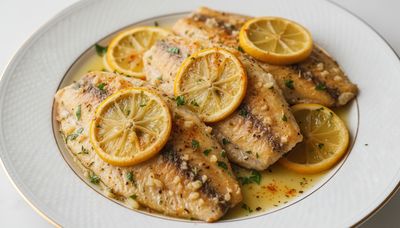
Next Recipe
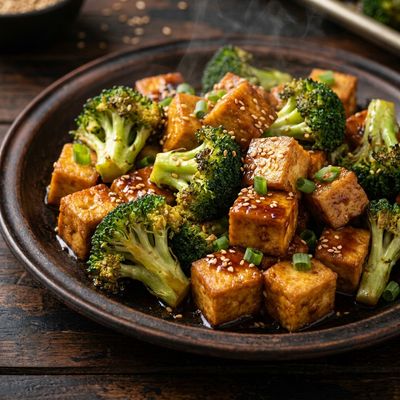
Sheet Pan Sesame Ginger Tofu and Broccoli
Indulge in a healthy, restaurant-quality meal at home with this crispy sesame ginger tofu paired with tender-crisp roasted broccoli. A savory, umami-rich glaze brings everything together on a single sheet pan for the ultimate easy cleanup and satisfying flavor.
Similar Recipes to Try
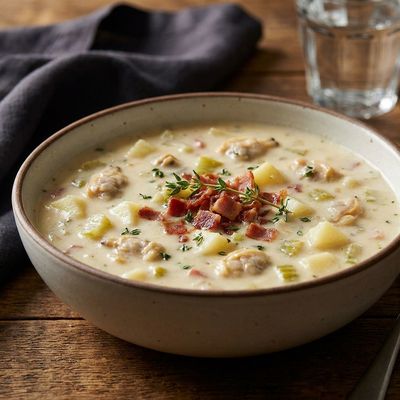
Classic New England Clam Chowder
60 min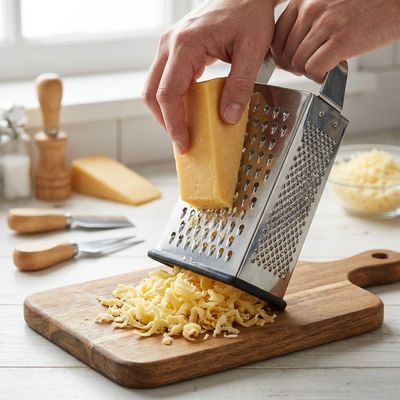
How to Shred Cheddar Cheese
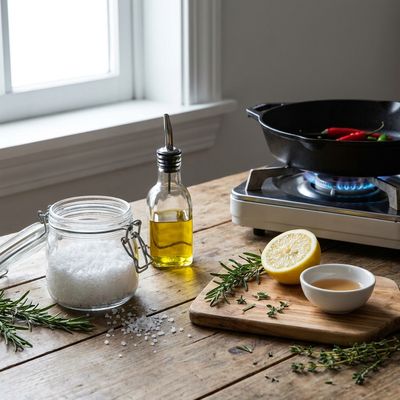
How to Balance Flavors in Cooking: Salt, Fat, Acid, and Heat
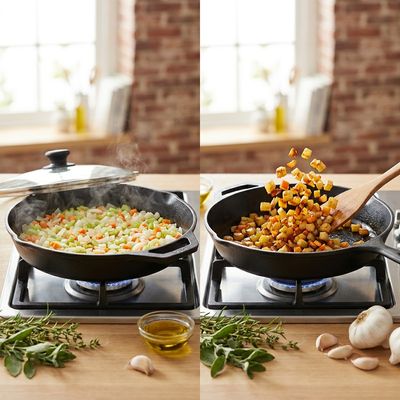
Why You Should Be Sweating Your Aromatics Instead of Sauteing
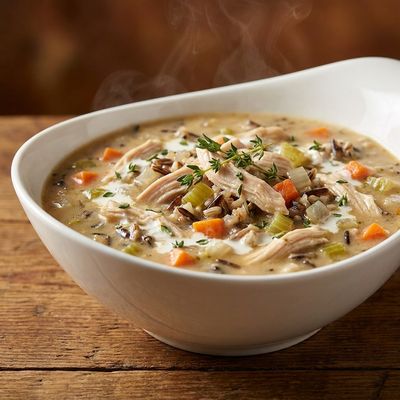
Slow-Cooker Chicken and Wild Rice Soup
375 min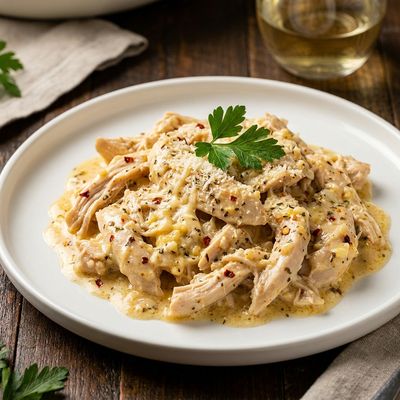
Creamy Crock Pot Garlic Parmesan Chicken
255 min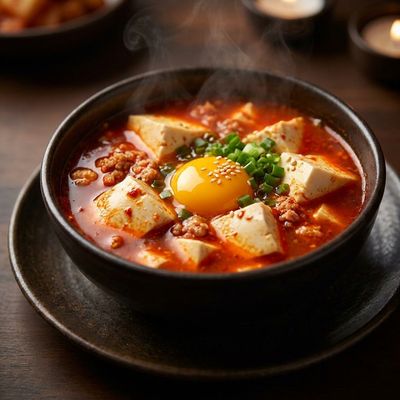
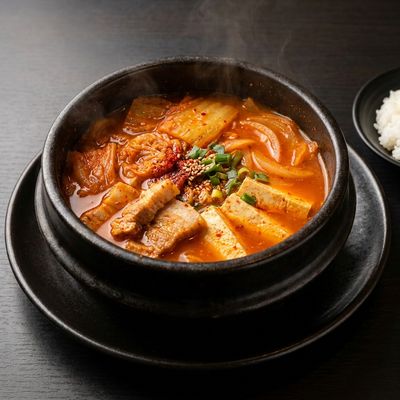
Sundubu Jjigae Soft Tofu Stew
30 min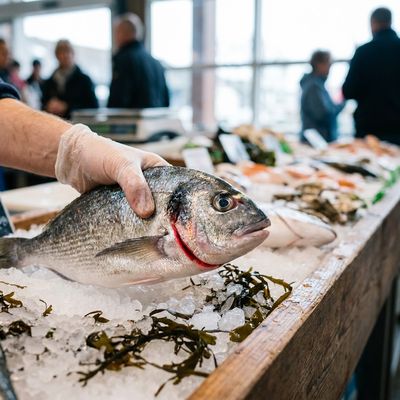
How to Tell if Fish is Fresh: A Seafood Buying Guide
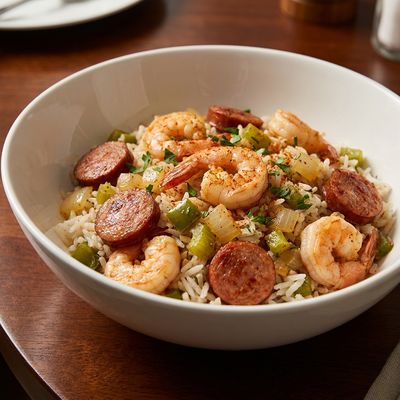
One-Pot Jambalaya with Shrimp and Andouille Sausage
60 min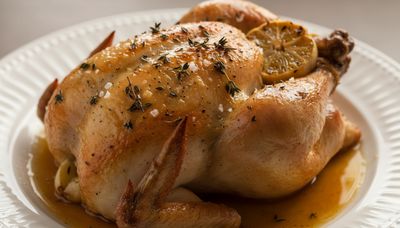
Perfect Roast Chicken
95 minComments
(0)Sign in to leave a comment.
You Might Like
Ad Space Available
Be the first to leave a comment.