Recipe Details
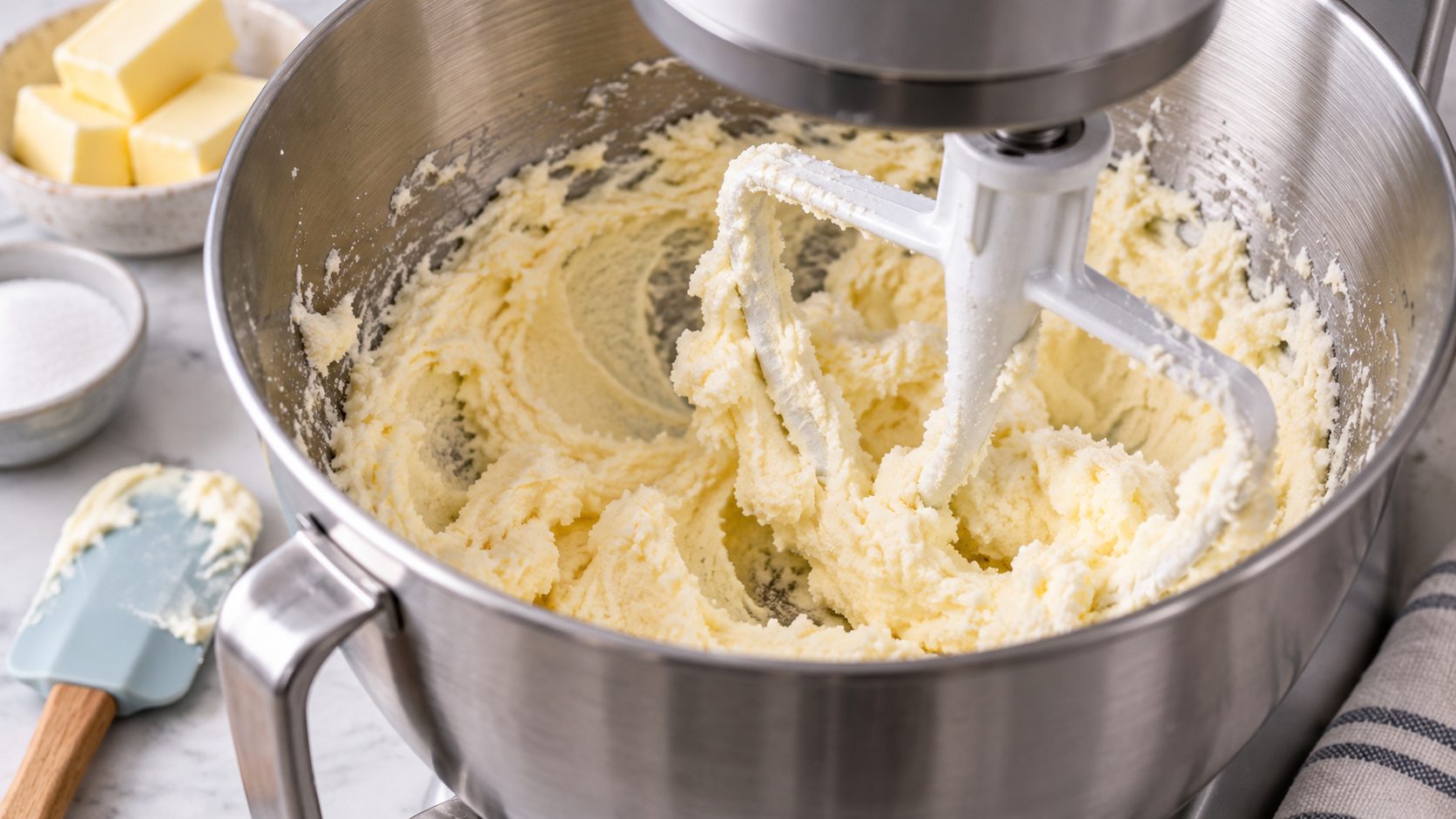
"Creaming butter and sugar properly means beating them together until the mixture is pale and fluffy, but not white, which aerates the batter. The butter should be cool but pliable, and the process typically takes 2 to 3 minutes on moderate speed with a stand mixer."
Ingredients
| Qty | Item |
|---|---|
| Ingredient list coming soon. | |
How to Make How to Cream Butter and Sugar Properly
Why Creaming Matters
Creaming butter and sugar is an early mixing step in many cake and cookie recipes. Sugar helps aerate the butter by creating small air pockets. Those pockets can capture gases released by the recipe's leavener, helping produce a lighter texture and finer crumb.
Butter that does not capture enough air stays heavy and dense. The source describes sugar crystals creating small holes in the butter; those holes form the air network that the creaming step is meant to build.
Choosing the Right Butter Consistency
Butter temperature is critical for successful creaming. Properly softened butter should accept an indentation when pressed but still feel cool rather than greasy. Butter that is too cold stays dense and chunky during creaming, preventing proper aeration. Butter that is too warm becomes greasy and cannot hold the desired air structure well.
The Step-by-Step Method
Place the softened butter and sugar in the bowl of a stand mixer. For the stand mixer used in the source, moderate speed, roughly 3 to 4 on the dial, is sufficient. Beat the mixture for about 2 to 3 minutes, stopping halfway through to scrape down the bowl. This ensures even incorporation and aeration.
How to Recognize the Endpoint
Properly creamed butter and sugar looks pale and fluffy but not white. The mixture should have a light, airy consistency. A nearly white mixture is a sign of over-creaming in the source's test. Over-creaming can lead to dense, gummy streaks in the finished baked goods.
Troubleshooting Common Creaming Problems
If the butter is too cold, the mixture remains dense and chunky and captures little air. If the butter is too warm, the air bubbles collapse and the mixture becomes greasy and wet. Over-creaming produces a nearly white mixture and can result in dense, gummy streaks in the baked cake. King Arthur notes that once the butter and sugar reach that over-creamed stage, the mixture cannot be reversed.
Use the source's visual checks as you mix: cold butter stays dark, grainy, and dense; properly creamed butter becomes pale and fluffy but not white; and over-creamed butter turns nearly white. Stop at the pale, fluffy stage after the moderate-speed mixing and halfway bowl scrape.
Recipes to Practice This Technique
Use the method in this guide when making Classic French Macarons, Zesty Lemon Bars, Sticky Toffee Pudding with Butterscotch Sauce, Lemon Blueberry Bundt Cake.
Sources
- Creaming butter and sugar: How to get it right (King Arthur Baking Company)
- How to cream butter and sugar (King Arthur Baking Company)
Tips for Best Results
-
·
Use a stand mixer on moderate speed (around 3 to 4 on the dial) for about 2 to 3 minutes, scraping the bowl halfway through.
-
·
Check butter temperature by pressing it: it should hold an indentation but still feel cool, not greasy.
-
·
Stop creaming when the mixture is pale and fluffy, not white. A white color indicates over-creaming.
Frequently Asked Questions
What does properly creamed butter and sugar look like?
How long should I cream butter and sugar?
Can I over-cream butter and sugar?
What happens if my butter is too cold or too warm?
What to Cook Next

Next Recipe
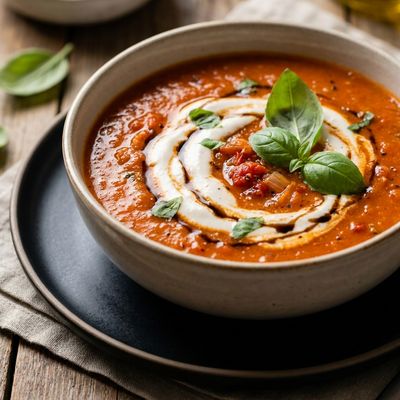
Creamy Roasted Tomato Soup with Cashew Cream
This soup transforms humble Roma tomatoes into a gourmet masterpiece through the magic of high-heat roasting. The addition of a luscious cashew cream provides a dairy-free richness that perfectly balances the tangy acidity of the charred tomatoes.
Similar Recipes to Try
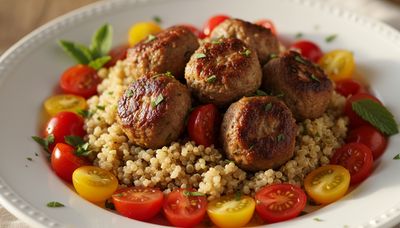
Turkey Meatball Bowls
45 min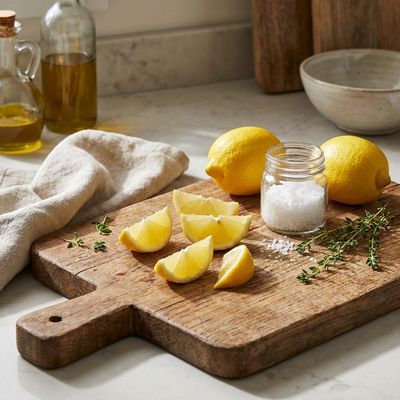
Lemon Wedges: Uses, Substitutes, and How to Store It

Lemon Garlic Butter Salmon with Asparagus
25 min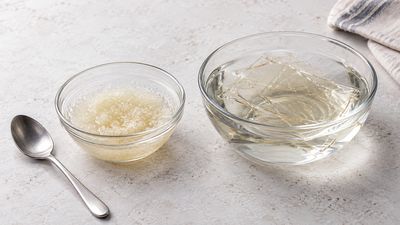
How to Bloom Gelatin: Powdered and Sheet Methods

Garlic Naan with Coriander Butter
105 min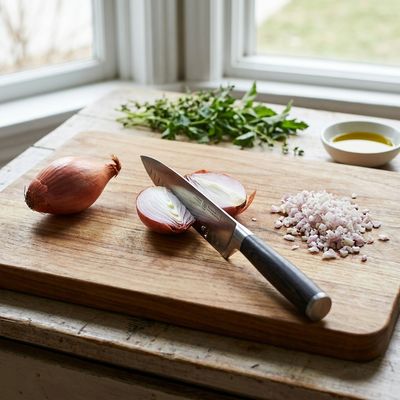
How to Mince Shallots

Sole Meunière with Lemon Butter Sauce
25 min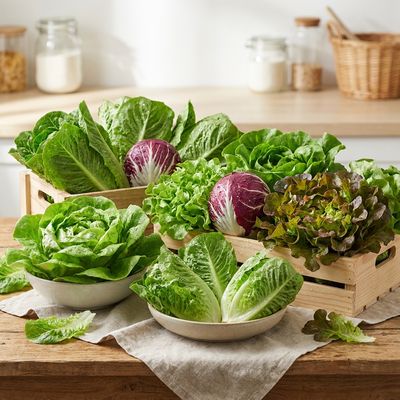
Lettuce: Uses, Substitutes, and How to Store It
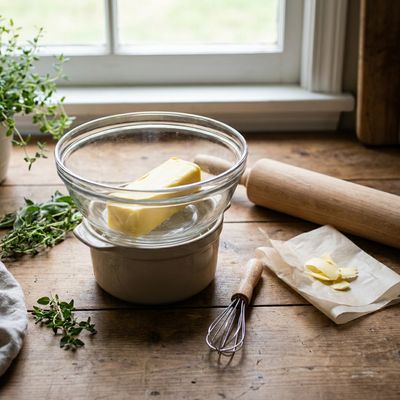
How to Soften Butter Quickly Without Melting It
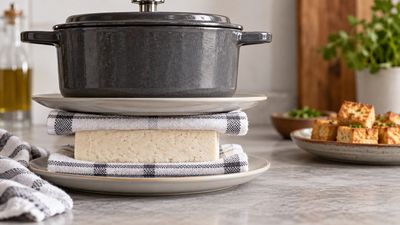
How to Press Tofu for Better Browning
Comments
(0)Sign in to leave a comment.
You Might Like

Ad Space Available
Be the first to leave a comment.