Recipe Details
"Stainless steel is the workhorse of the professional kitchen, but it can be frustrating when food bonds to the surface. This guide breaks down the science of sticking and provides actionable steps to turn your steel skillet into a non-stick powerhouse."
Ingredients
| Qty | Item |
|---|---|
| Ingredient list coming soon. | |
How to Make Why Your Stainless Steel Pans Keep Sticking and How to Fix It
The Science of the Surface
Unlike non-stick pans coated with Teflon, stainless steel is naturally porous. At a microscopic level, the surface is filled with tiny hills and valleys. When the metal is heated, these pores expand and contract. If you add food to a pan that hasn't reached the correct temperature, the proteins or sugars get trapped in these expanding pores, causing the food to bond to the metal as it cooks.
The Leidenfrost Effect
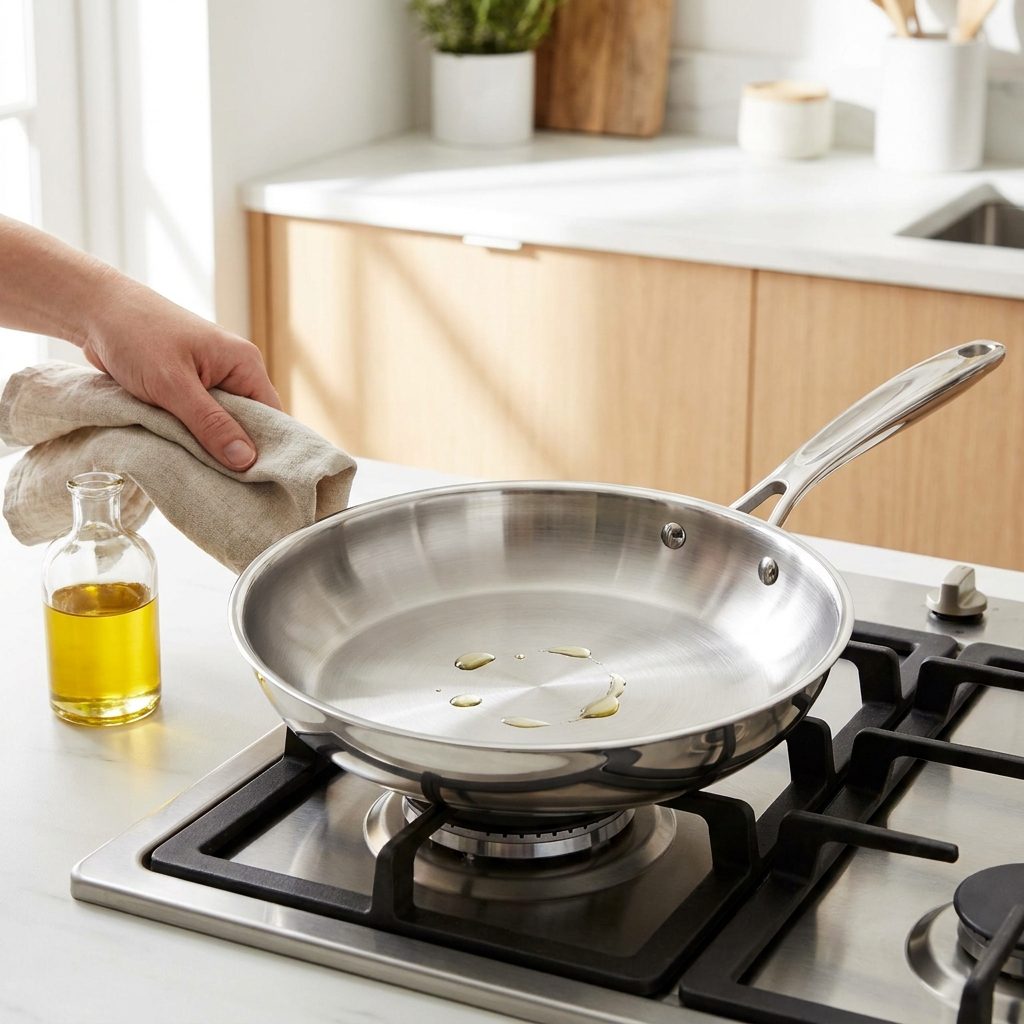
The secret to a non-stick experience on steel is the Leidenfrost effect. This occurs when a liquid comes into contact with a surface significantly hotter than its boiling point, creating a thin layer of protective vapor that allows the liquid (or food) to hover above the surface rather than touching it directly. To achieve this, you must preheat your pan on medium heat for 2-3 minutes before adding any fat or ingredients.
Choosing and Adding the Right Fat
Once the pan is properly preheated, add a fat with a high smoke point, such as grapeseed, avocado, or canola oil. The oil serves to fill the microscopic pores of the steel, creating a physical barrier. The oil should shimmer and move fluidly across the surface like water. If the oil begins to smoke excessively, the pan is too hot; remove it from the heat for a moment before proceeding.
Patience and the Maillard Reaction
One of the most common mistakes is trying to move or flip food too soon. As protein cooks, it undergoes the Maillard reaction, which creates a caramelized crust. Once this crust is fully formed, the food will naturally 'release' from the pan. If you feel resistance when trying to lift a piece of chicken or a steak, it usually means the chemical bond hasn't finished breaking. Give it another 30 to 60 seconds.
Cleaning for Performance
To maintain your pan's performance, avoid using abrasive steel wool which can create deep scratches where food can hide. Instead, use a specialized cleanser like Bar Keepers Friend to remove polymerized oil (the sticky brown residue) and mineral deposits. Keeping the surface smooth and polished is essential for ensuring the Leidenfrost effect works efficiently during your next meal.
Tips for Best Results
-
·
<html><ul><li>Perform the 'Water Drop Test': A drop of water should bead up and roll around the pan like a marble when the surface is at the perfect temperature.</li><li>Always pat your proteins dry with a paper towel; surface moisture creates steam, which interferes with the searing process and causes sticking.</li><li>Allow cold ingredients to sit at room temperature for 10-15 minutes before cooking to prevent the pan's temperature from crashing.</li><li>Deglaze the pan with wine, broth, or water while it is still hot to lift 'fond' (stuck-on bits) easily for a delicious sauce and easy cleanup.</li></ul></html>
Frequently Asked Questions
Do I need to season a stainless steel pan like cast iron?
Why does my oil smoke immediately when I add it?
Is it okay to put stainless steel pans in the dishwasher?
How do I remove the rainbow-colored stains on my pan?
What to Cook Next
Next Recipe
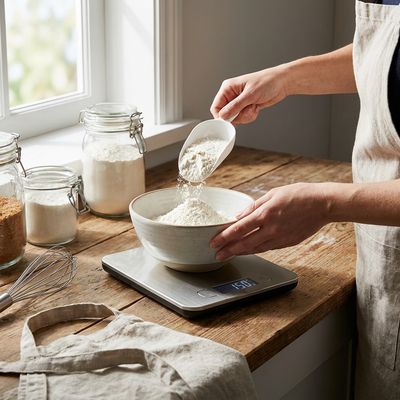
How to Use a Kitchen Scale for More Accurate Baking
Baking is a science where precision is the difference between a sunken cake and a masterpiece. This guide explains why traditional measuring cups often lead to failure and how a digital scale provides the accuracy needed for perfect results every time.
Similar Recipes to Try
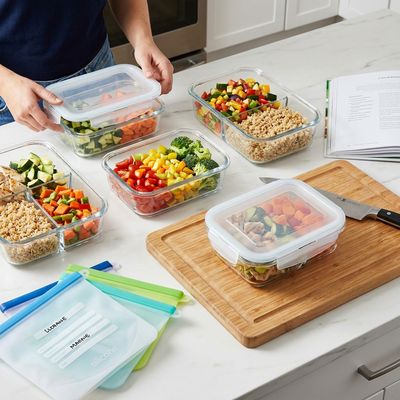
The Ultimate Guide to Meal Prepping for Beginners
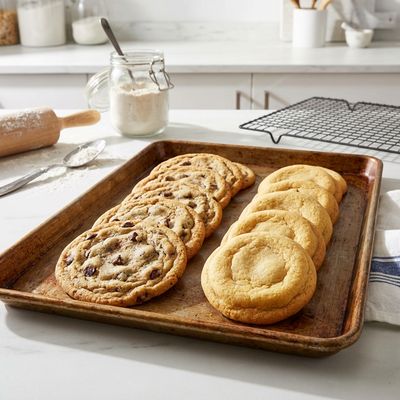
Why Are My Cookies Flat? How to Prevent Cookie Spreading
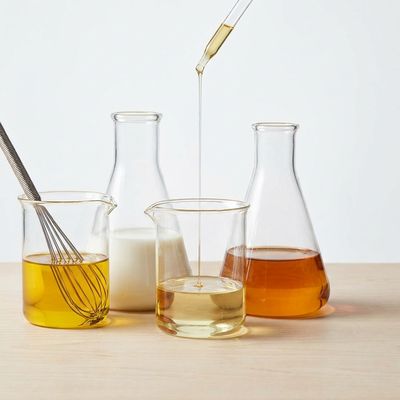
Why Do Sauces Break? A Guide to Mastering Emulsification in the Kitchen
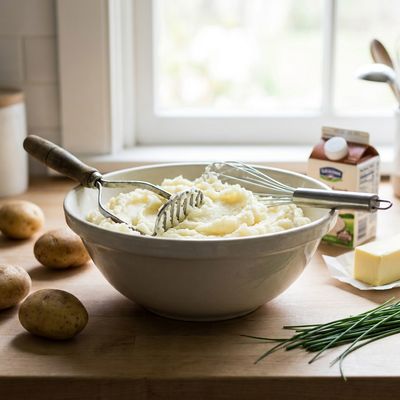
How to Mash Potatoes
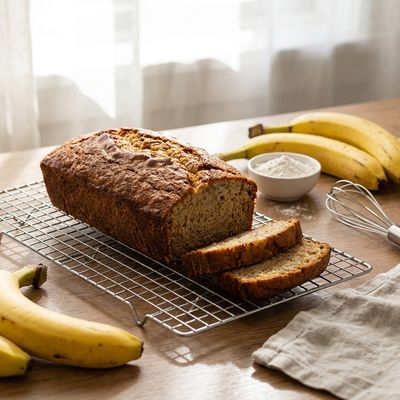
How To Make Banana Bread

How To Sharpen Kitchen Knives
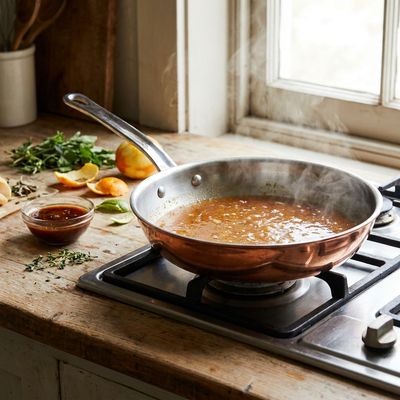
A Complete Guide to Reducing Liquids for Intense Flavor
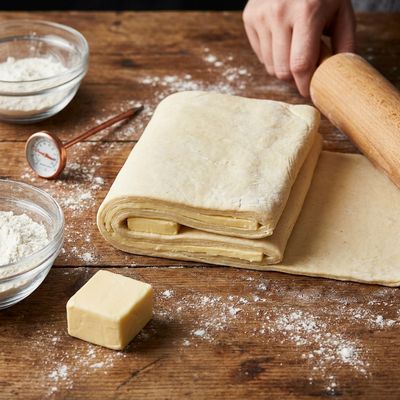
Why Cold Butter is Key to Flaky Pastry: The Science of Lamination
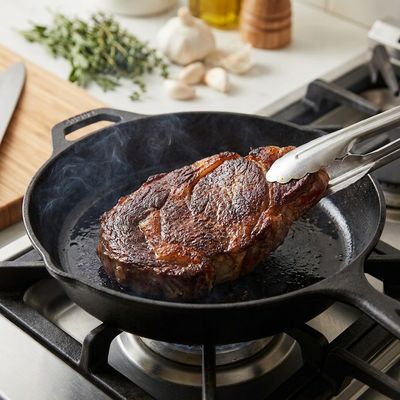
How to Pan Sear Meat for a Perfect Crust Every Time
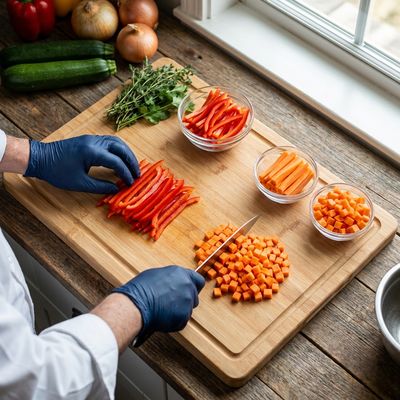
How to Julienne and Dice Vegetables Like a Professional Chef
Comments
(0)Sign in to leave a comment.
You Might Like
Ad Space Available
Be the first to leave a comment.