Recipe Details
"Lemon zest adds bright, citrusy flavor to dishes without the acidity of juice. This guide covers everything from selecting perfect lemons to storing zest for months and finding smart substitutes when you're in a pinch."
Ingredients
| Qty | Item |
|---|---|
| Ingredient list coming soon. | |
How to Make Lemon Zest: Uses, Substitutes, and How to Store It
What Lemon Zest Is
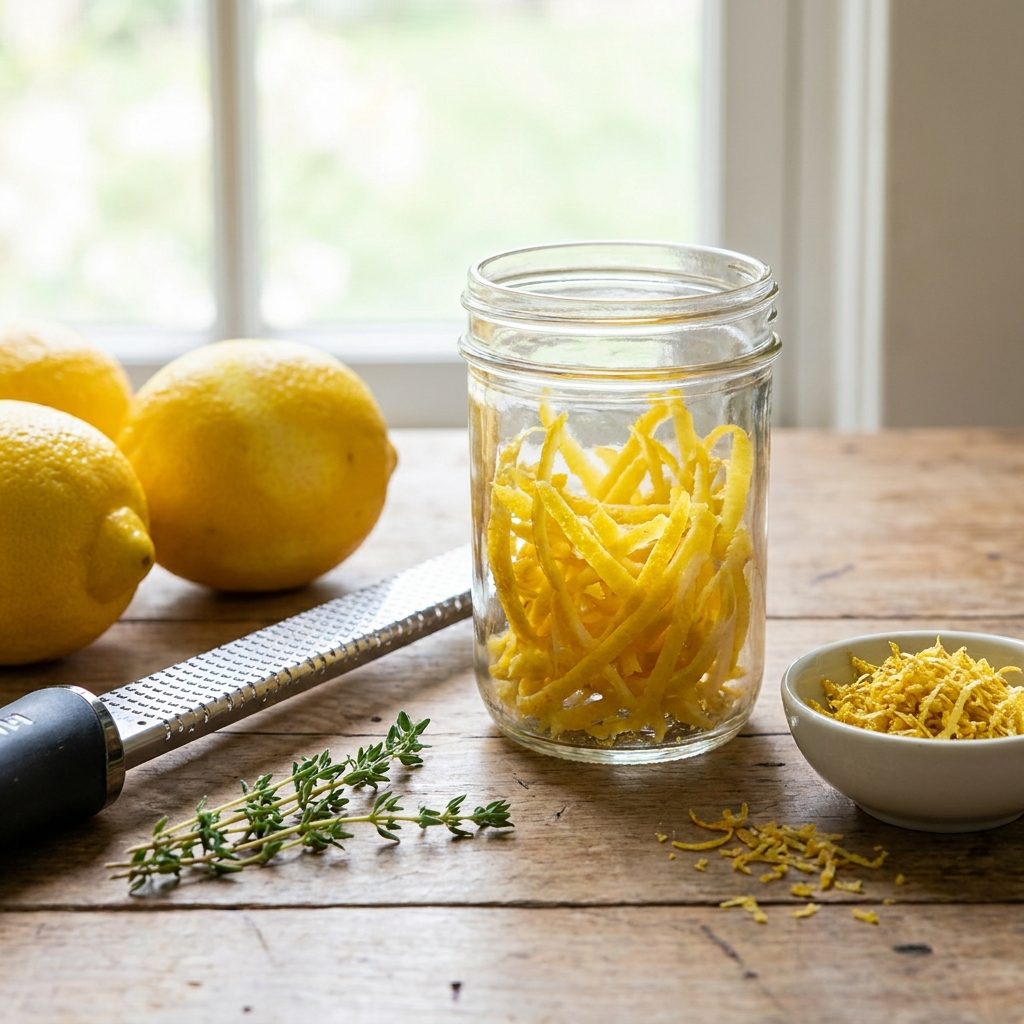
Lemon zest is the outermost yellow layer of the lemon peel, shaved off with a microplane, zester, or vegetable peeler. It contains the fruit's essential oils, which pack intense lemon aroma and flavor without the sourness or liquid of the juice. The white pith underneath is bitter and should be avoided when zesting. A single medium lemon yields about 1 tablespoon of zest. The oils are concentrated in tiny sacs visible as slight bumps on the surface; when grated, they release a burst of fragrance that can perfume an entire dish. For maximum oil extraction, zest over the bowl or ingredient you are using, not over a cutting board, to catch every drop of aromatic oil.
How to Choose Lemon Zest
For the best zest, pick lemons that are firm, heavy for their size, and have smooth, bright yellow skin. Avoid any with green patches, soft spots, or wrinkled skin—these indicate under-ripeness or age, which means less oil and flavor. Organic lemons are ideal since conventional ones may have wax or pesticide residues on the peel; if using non-organic, scrub them well with warm water and a brush before zesting. A good test: gently scratch the skin with a fingernail—if you smell a strong lemon scent immediately, the fruit is fresh and oil-rich. Lemons stored at room temperature for more than 5 days lose up to 30% of their volatile oils, so use them within 3–4 days of purchase for best results. For baking, choose thin-skinned varieties like Eureka or Lisbon, which have a higher oil-to-pith ratio than thick-skinned Meyer lemons.
How to Use Lemon Zest in Cooking
Zest lemons just before using, as the oils dissipate quickly. For baking, add zest to sugar and rub it in with your fingers to release the oils before creaming with butter—this works for cakes, cookies, and scones. Use 1 tablespoon of lemon zest per 1 cup of sugar for a pronounced flavor; for a subtler note, use 2 teaspoons. In savory dishes, stir zest into dressings, marinades, or compound butter at the end of cooking to preserve its brightness. A general rule: 1 teaspoon of zest equals about one medium lemon. Use it in pasta (e.g., lemon ricotta pasta), risotto, grilled fish, or sprinkled over roasted vegetables. For a lemon vinaigrette, whisk 1 teaspoon zest with 3 tablespoons lemon juice, 1/2 cup olive oil, 1 teaspoon Dijon mustard, and salt to taste. In compound butter, blend 2 tablespoons softened unsalted butter with 1 teaspoon zest, 1/2 teaspoon minced garlic, and a pinch of salt; chill and slice onto grilled steak or fish. For lemon sugar cookies, cream 1 cup butter with 1 cup sugar and 2 tablespoons zest for 3 minutes until light and fluffy.
Substitutes for Lemon Zest
1. Lime zest – Use a 1:1 ratio (1 tsp lime zest for 1 tsp lemon zest). It will change the flavor to a more floral, slightly less acidic citrus note. Best in Thai or Mexican dishes, or in key lime pie variations.
2. Orange zest – Use a 1:1 ratio, but expect a sweeter, less sharp result. Best in baked goods or with chocolate. For a closer match, add 1/8 teaspoon citric acid per teaspoon of orange zest to mimic lemon's acidity.
3. Dried lemon peel – Use 1/2 teaspoon dried for every 1 teaspoon fresh zest. Rehydrate in a tablespoon of warm water for 5 minutes before using. The aroma is less intense and slightly more bitter. Alternatively, use 1/4 teaspoon lemon extract (not imitation) per teaspoon of fresh zest, but note that extract adds liquid and alcohol flavor, so adjust recipe liquids accordingly.
4. Lemon juice concentrate – Not a direct substitute, but in a pinch, use 1/2 teaspoon lemon juice plus 1/4 teaspoon grated ginger for a similar bright note, though the texture and oil content differ.
How to Store Lemon Zest
Fresh zest can be stored in an airtight container in the refrigerator for up to 3 days. For longer storage, freeze zest in a single layer on a parchment-lined baking sheet for 1 hour, then transfer to a freezer-safe bag or container—it will keep for up to 6 months. Do not thaw before using; add frozen zest directly to recipes. Dried zest (dehydrated at 150°F/65°C for 2–3 hours) can be kept in a sealed jar in a cool, dark pantry for up to 1 year, but loses some volatile oils. To dry zest, spread it on a baking sheet in a 150°F oven with the door slightly ajar, stirring every 30 minutes, until completely dry and brittle. For refrigerator storage, place zest in a small glass jar with a tight lid; avoid plastic bags, which can absorb oils and cause the zest to dry out faster. If you notice the zest turning brown or developing an off smell, discard it immediately.
Common Mistakes
Mistake 1: Zesting too deep. Shaving off the white pith makes the zest bitter. Fix: Use light pressure and stop as soon as you see white. A microplane with fine teeth is best; a box grater's coarse side often cuts too deep. If you accidentally include pith, pick out the white bits with tweezers or a small knife.
Mistake 2: Zesting too far ahead. Zest dries out and loses flavor within hours. Fix: Always zest just before you need it. If you must zest in advance, mix the zest with an equal volume of sugar (e.g., 1 tablespoon zest + 1 tablespoon sugar) and store in an airtight container for up to 2 hours; the sugar helps preserve the oils.
Mistake 3: Using waxed or dirty lemons. Wax traps dirt and pesticides, and can affect flavor. Fix: Scrub non-organic lemons with warm water and a vegetable brush, or choose unwaxed organic ones. To test for wax, run a knife blade over the peel—if it leaves a white residue, the lemon is waxed. For stubborn wax, dip the lemon in boiling water for 10 seconds, then scrub; this melts the wax without cooking the fruit.
Mistake 4: Zesting a lemon that is too cold. Cold lemons release less oil. Fix: Let lemons come to room temperature (about 20 minutes) before zesting. Rolling the lemon firmly on the counter under your palm for 10 seconds before zesting also helps burst oil sacs.
Mistake 5: Over-zesting. Using more than 2 tablespoons of zest per cup of flour in baking can make the final product bitter and overpowering. Fix: Stick to the recipe's recommended amount; if you want more lemon flavor, add a teaspoon of lemon juice or a drop of lemon oil instead.
Tips for Best Results
-
·
<ul><li>For the easiest zest, freeze the whole lemon for 10 minutes before zesting—it firms up the peel and reduces tearing.</li><li>Use a microplane for fine zest that blends seamlessly into batters and dressings; a vegetable peeler gives wider strips for infusions or garnishes.</li><li>If a recipe calls for both zest and juice, zest first while the fruit is intact—it's much easier than trying to zest a squeezed lemon.</li><li>Leftover zest can be stirred into softened butter and frozen in a log for instant lemon butter.</li></ul>
Frequently Asked Questions
Can I zest a lemon without a zester?
How much zest does one lemon yield?
Is lemon zest the same as lemon peel?
Can I use bottled lemon juice instead of zest?
What to Cook Next
Next Recipe
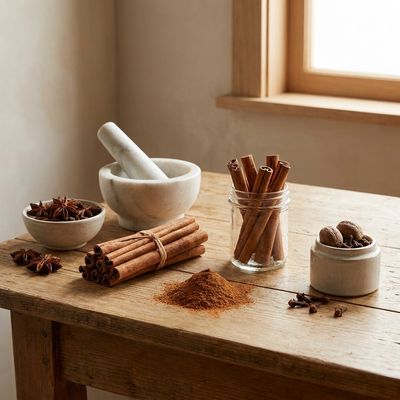
Cinnamon: Uses, Substitutes, and How to Store It
Cinnamon is a versatile spice made from the inner bark of Cinnamomum trees. This guide covers everything you need to know, from selecting the right type to storing it for maximum freshness.
Similar Recipes to Try

Mediterranean Lemon Herb Roasted Chicken
60 min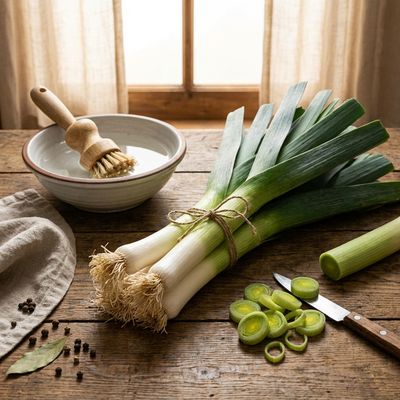
Why You Should Wash Your Leeks and How to Do It Properly

Lemon Herb Grilled Spatchcock Chicken
65 min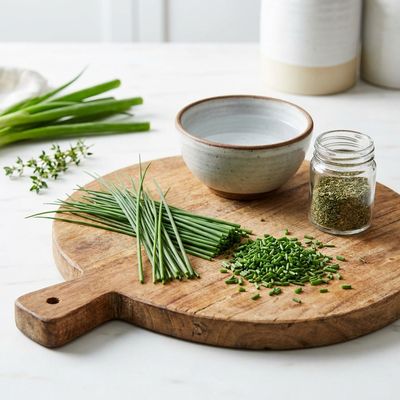
Chives: Uses, Substitutes, and How to Store It
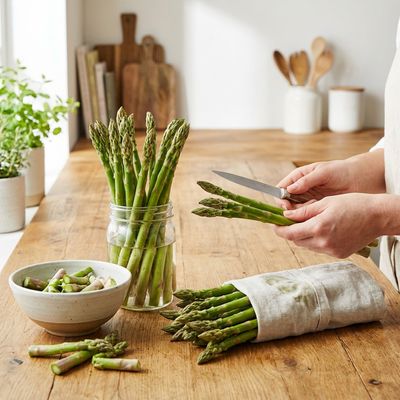
How to Prep and Store Asparagus to Keep It Crisp

Lemon Pepper Air Fryer Chicken Thighs
32 min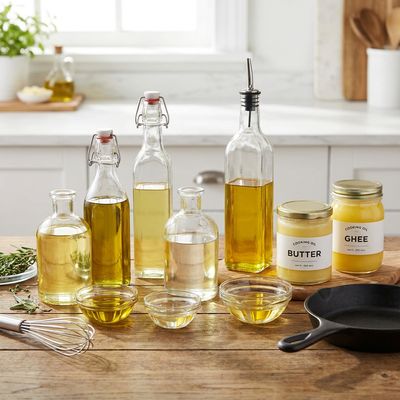
The Best Cooking Oil Substitutes for High-Heat vs. Cold Dishes

Sheet Pan Lemon Herb Salmon and Asparagus
25 min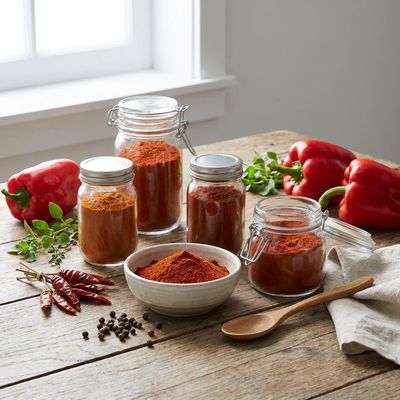
Paprika: Uses, Substitutes, and How to Store It
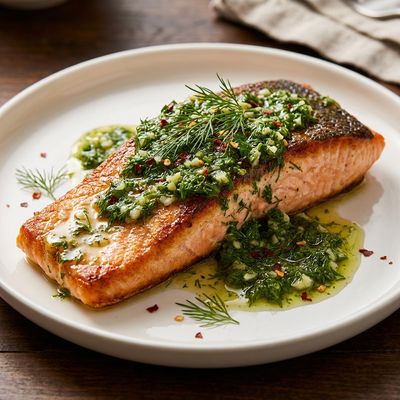
Pan-Seared Salmon with Lemon-Dill Chimichurri
30 minComments
(0)Sign in to leave a comment.
You Might Like
Ad Space Available
Be the first to leave a comment.