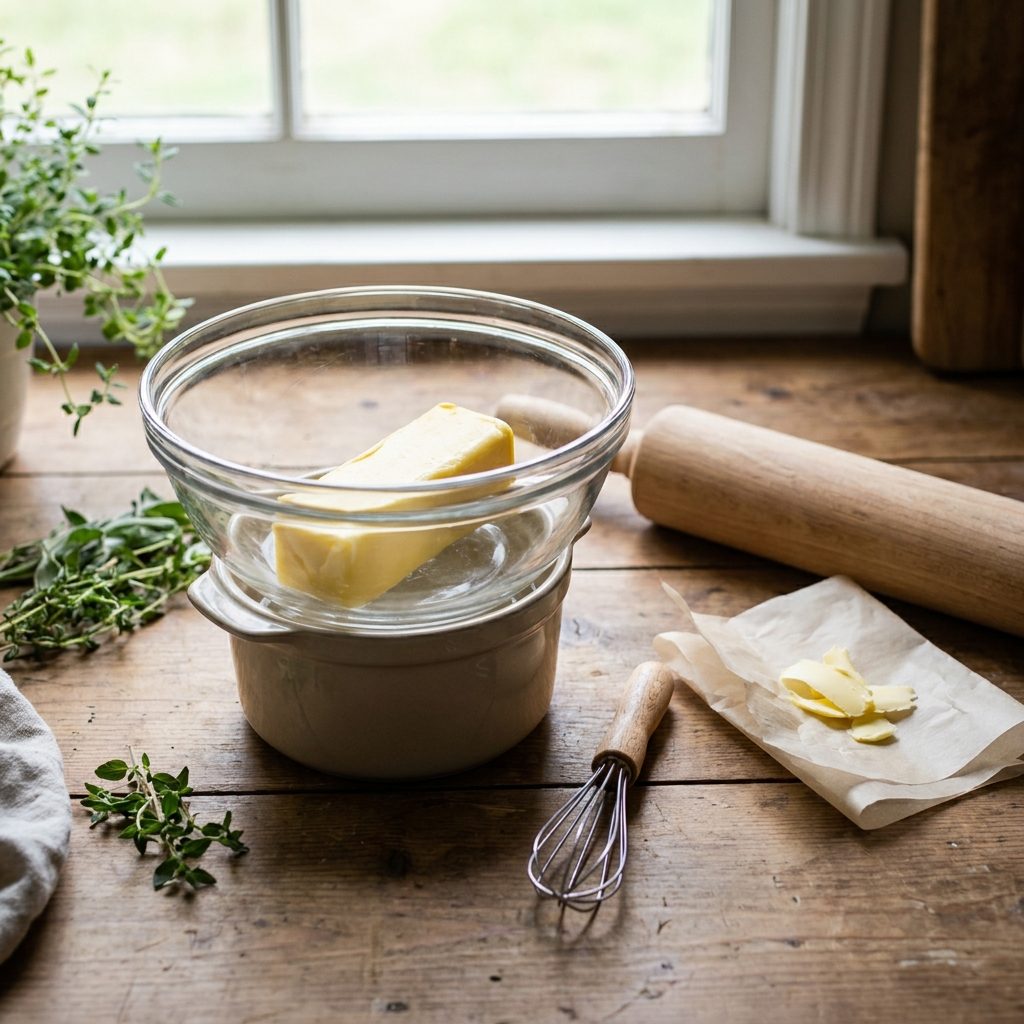
Recipe Details
"Softening butter to the ideal room-temperature consistency is essential for successful baking, especially when creaming sugar. This guide explores the science of butter temperature and provides five reliable methods to fix rock-cold butter in minutes."
Ingredients
| Qty | Item |
|---|---|
| Ingredient list coming soon. | |
How to Make How to Soften Butter Quickly Without Melting It
The Cube Method
The simplest way to speed up softening is to increase the surface area. Instead of leaving the stick whole, cut it into small half-inch cubes. By breaking down the mass, you expose more of the butter to the ambient air, reducing the softening time from an hour to approximately 15-20 minutes.
The Warm Water Glass Trick
This is a favorite 'hack' for a reason. Fill a tall glass with boiling water and let it sit for 60 seconds to heat the glass. Pour the water out, quickly wipe the inside dry, and invert the glass over a standing stick of butter. The trapped radiant heat will soften the butter in about 5 to 10 minutes without turning it into a liquid puddle.
The Rolling Pin Flattening
If you need butter softened immediately, place the cold stick between two sheets of parchment paper. Use a rolling pin to pound the butter flat and then roll it out into a thin sheet. The mechanical energy of the pounding combined with the increased surface area makes the butter pliable enough to use in seconds.
The Grating Technique
For recipes like biscuits or scones, or even for quick mixing, use a box grater to shred the cold butter. The tiny shards reach room temperature almost instantly upon contact with the air. This is the most consistent way to ensure even distribution without any risk of melting.
The Low-Power Microwave Method
The microwave is risky, but it can work if you use the 'defrost' setting or 10% power. Heat the butter in 5-second increments, rotating the stick a quarter-turn after every burst. Stop as soon as the butter yields to light pressure; if you see any liquid gold, you have gone too far.
Tips for Best Results
-
·
<html><ul><li>The ideal 'room temperature' for butter is actually between 65°F and 68°F, which feels cool to the touch.</li><li>Always perform the indentation test: your finger should leave a mark without sliding or meeting resistance.</li><li>Avoid using a hair dryer or high microwave heat, as these create 'hot spots' that ruin the butter's emulsion.</li><li>If you accidentally melt the butter, do not use it for creaming; save it for a recipe that specifically calls for melted butter.</li></ul></html>
Frequently Asked Questions
Why can't I just use melted butter in my cookies?
How can I tell if my butter is too soft?
Does salted butter soften faster than unsalted?
Can I soften butter that is still in its wrapper?
What to Cook Next


Next Recipe
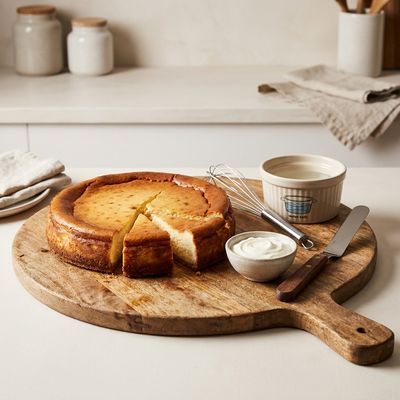
Why Did My Cheesecake Crack? Prevention and Fixes
A cracked cheesecake is a common frustration for bakers, but it is usually the result of simple environmental factors. Understanding the science of heat and moisture will help you achieve a smooth, professional-grade surface every time you bake.
Similar Recipes to Try
What to Use if You Run Out of Eggs: The Ultimate Baking Substitution Guide
Internal Meat Temperature Guide: How to Tell When Food is Done
Why Your Stainless Steel Pans Keep Sticking and How to Fix It

Cider Vinegar: Uses, Substitutes, and How to Store It

Butter Naan Cooked in a Cast Iron Pan
35 min
How To Bake Sweet Potatoes
How to Clean and Store Fresh Mushrooms Without Making Them Slimy
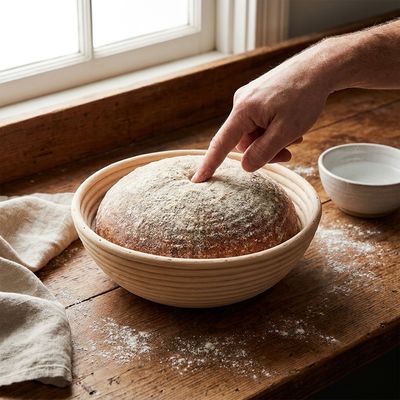
How to Tell if Your Bread Dough Has Proofed Enough

How To Cook Shrimp
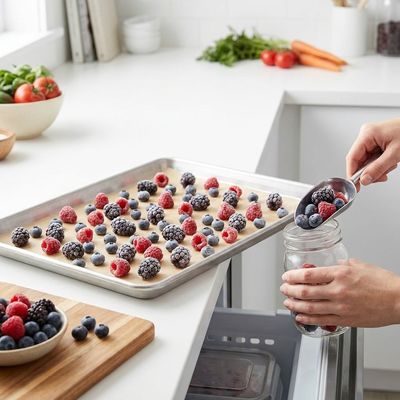
How to Freeze Fresh Berries Without Them Clumping Together
Comments
(0)Sign in to leave a comment.
You Might Like


Ad Space Available
Be the first to leave a comment.