Recipe Details
"Nothing ruins a baking session faster than a cake that refuses to leave the pan, leaving half of your hard work behind. This comprehensive guide covers the essential techniques, science, and troubleshooting tips to ensure your cakes slide out perfectly every single time."
Ingredients
| Qty | Item |
|---|---|
| Ingredient list coming soon. | |
How to Make How to Properly Grease and Flour a Cake Pan
Step 1: Choosing Your Fat
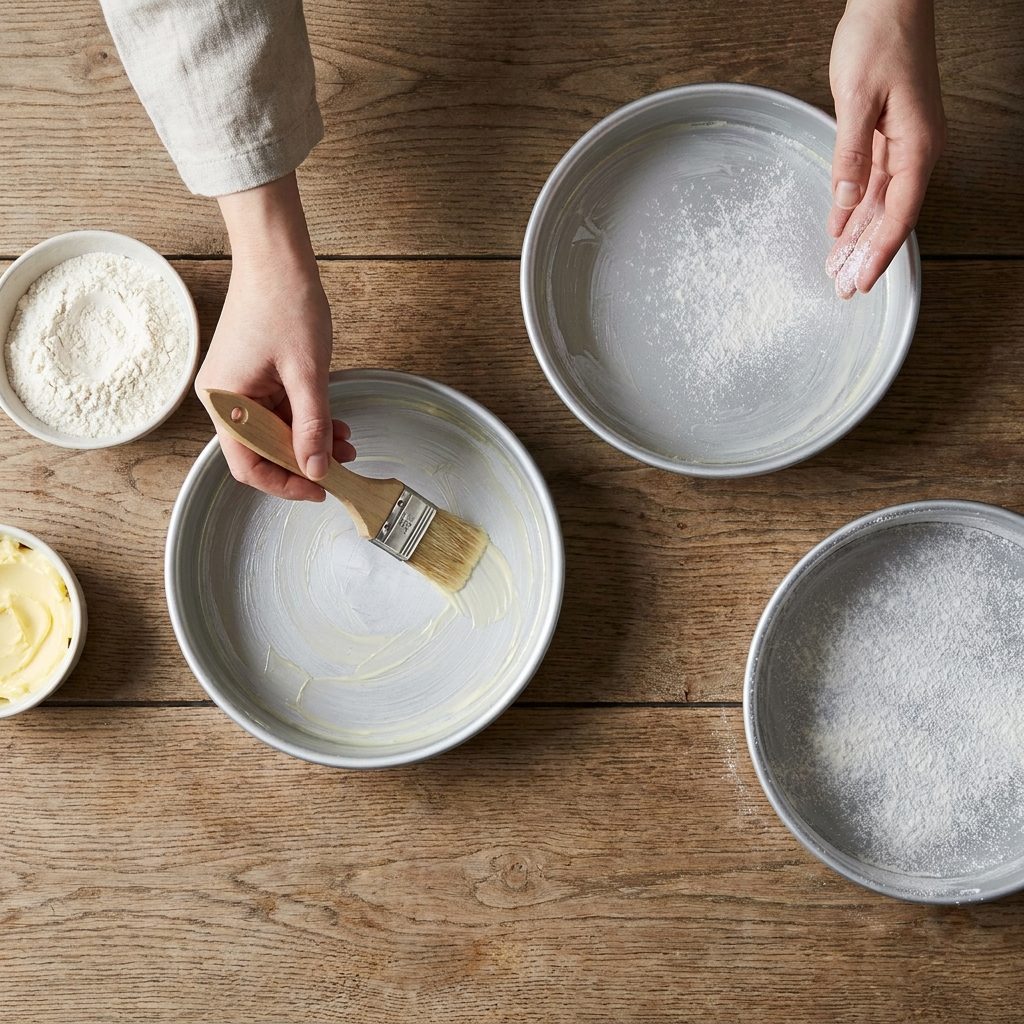
Start with room temperature softened butter or vegetable shortening. Avoid using melted butter, as it tends to pool in the corners and can be absorbed by the batter rather than creating a protective barrier. Shortening is often preferred by professionals because it has a higher melting point and creates a more stable film.
Step 2: Applying the Coating
Using a pastry brush or a piece of folded parchment paper, apply a thin, even layer of fat to the bottom and all sides of the pan. Pay special attention to the 'seam' where the bottom meets the sides, as this is the most common site for sticking. Ensure there are no large clumps of fat, which can fry the edges of the cake.
Step 3: Adding the Flour
Add about a tablespoon of all-purpose flour to the pan. Tilt and rotate the pan until the flour has coated every inch of the greased surface. Once fully coated, turn the pan upside down over a sink or trash can and give it a firm tap to remove any excess. A thick layer of flour will result in a pasty, white crust on your finished cake.
Step 4: Troubleshooting Common Issues
If your cake consistently sticks despite greasing, check your pan's condition. Scratches in non-stick coatings provide 'teeth' for the batter to grab onto. Furthermore, if your cake is high in sugar, it may caramelize against the pan; in these cases, always line the bottom with a circle of parchment paper in addition to greasing the sides.
Step 5: How to Fix a Stuck Cake
If the cake is stuck, do not try to pry it out immediately. Run a thin, flexible offset spatula around the edges. If that fails, place the bottom of the pan on a warm, damp towel for five minutes to help loosen the fats, or return it to a warm oven for 60 seconds to soften the exterior sugars before attempting to flip it again.
Tips for Best Results
-
·
<html><ul><li>For chocolate cakes, use cocoa powder instead of flour to avoid a white, dusty residue on the dark cake exterior.</li><li>Always use softened butter, never melted, to ensure the flour has a structural base to adhere to.</li><li>For intricate Bundt pans, use a specialized baking spray that contains flour, or 'baking goop' (a homemade mix of equal parts oil, shortening, and flour).</li><li>If a cake breaks upon release, use a bit of frosting as 'glue' to reattach the piece; once frosted, the seam will be invisible.</li></ul></html>
Frequently Asked Questions
Can I use regular cooking spray instead of flouring?
Why does my cake have a thick, white crust on the outside?
Do I need to grease and flour non-stick pans?
Should I grease the pan before or after making the batter?
What to Cook Next
Next Recipe
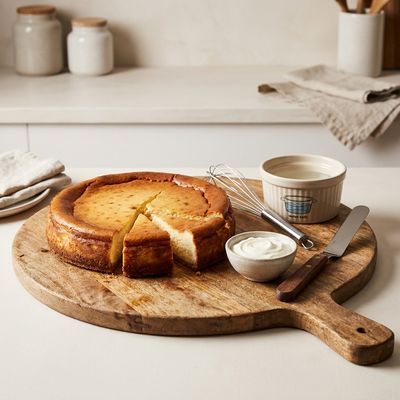
Why Did My Cheesecake Crack? Prevention and Fixes
A cracked cheesecake is a common frustration for bakers, but it is usually the result of simple environmental factors. Understanding the science of heat and moisture will help you achieve a smooth, professional-grade surface every time you bake.
Similar Recipes to Try
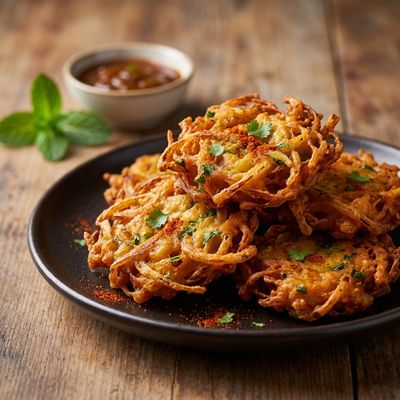
Onion Bhaji with Gram Flour Batter
30 min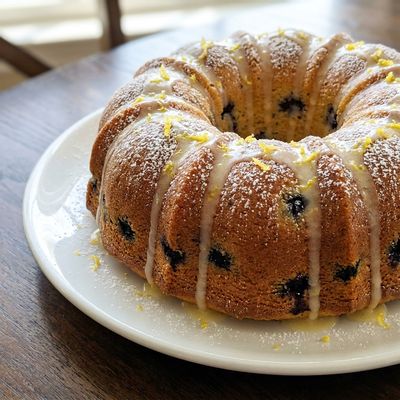
Lemon Blueberry Bundt Cake
80 min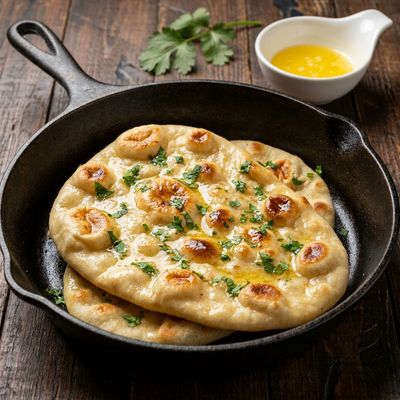
Butter Naan Cooked in a Cast Iron Pan
35 min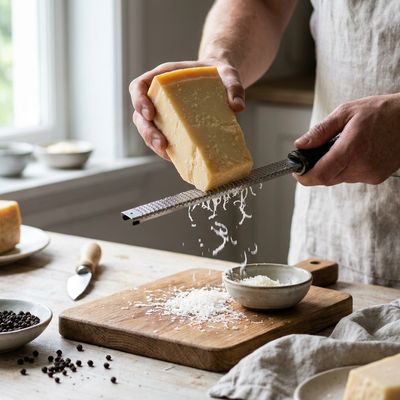
How to Grate Parmesan Cheese
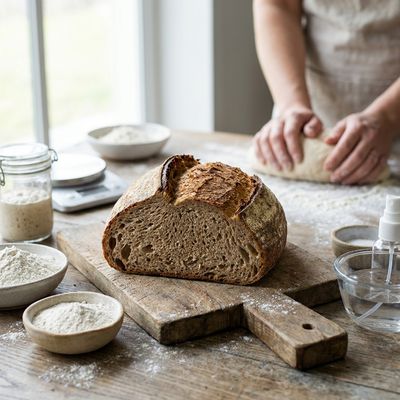
Why is My Bread Dense? 5 Common Troubleshooting Tips
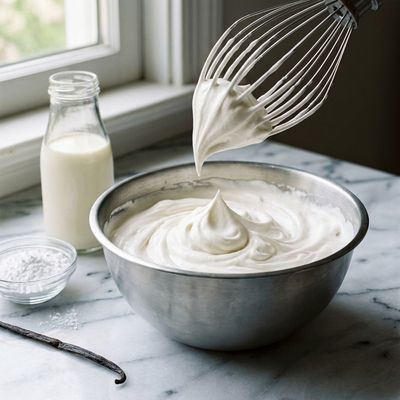
How To Make Whipped Cream
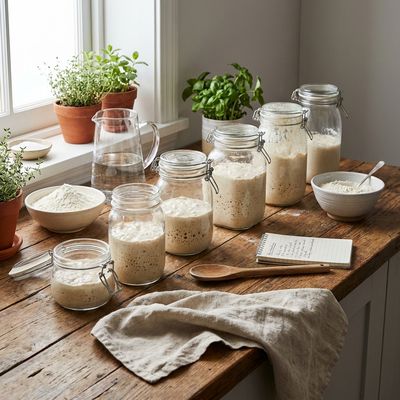
How To Make Sourdough Starter
15 min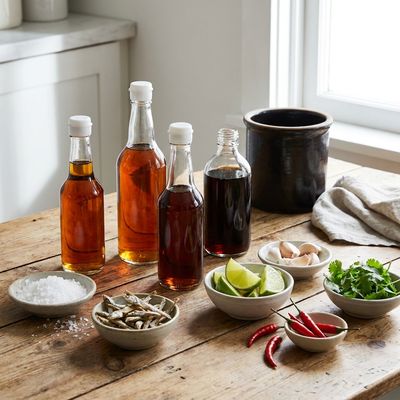
Fish Sauce: Uses, Substitutes, and How to Store It
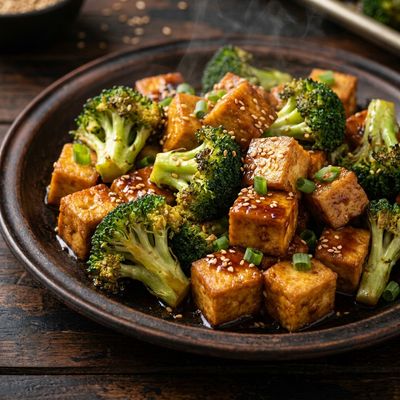
Sheet Pan Sesame Ginger Tofu and Broccoli
40 min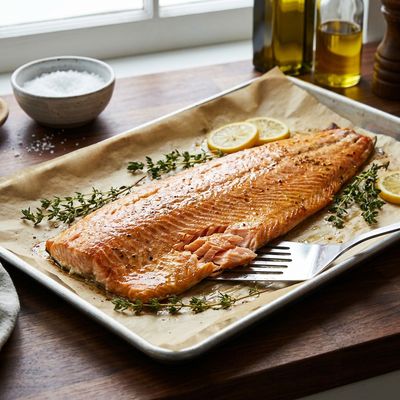
How To Bake Salmon
Comments
(0)Sign in to leave a comment.
You Might Like
Ad Space Available
Be the first to leave a comment.