What Basmati Rice Is
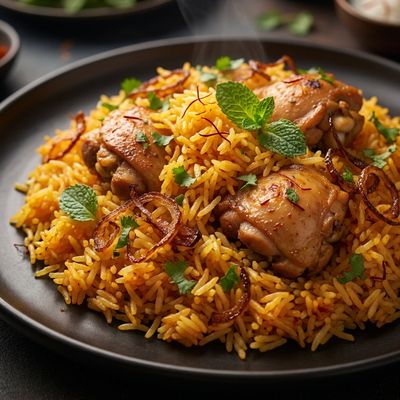
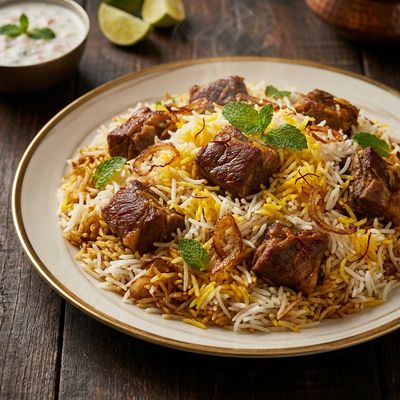
Basmati rice is a variety of long-grain rice traditionally grown in the foothills of the Himalayas, particularly in India and Pakistan. Its name means 'fragrant' in Hindi, and it is known for its nutty aroma, delicate flavour, and slender grains that elongate significantly during cooking. Unlike many other rice types, basmati has a low starch content, which keeps the grains separate and fluffy after cooking. It is most commonly used in biryani, pilaf, and as a side dish for curries.
How to Choose Basmati Rice
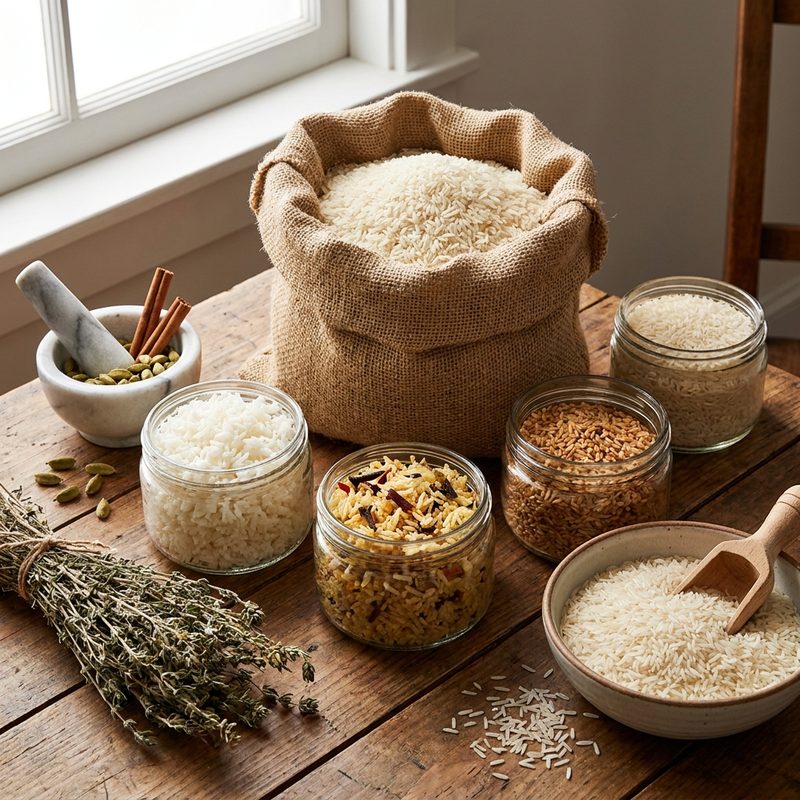
When buying basmati rice, look for grains that are long, slender, and uniform in size. High-quality basmati will have a subtle, natural fragrance and a slightly pearly appearance. Aged basmati (at least one year old) is preferred for cooking because it becomes drier and firmer, resulting in better separation. Avoid rice that appears broken or dusty, as this indicates lower quality. For the best results, choose whole-grain basmati rather than parboiled or instant varieties, which have a different texture.
How to Use Basmati Rice in Cooking
To cook basmati rice perfectly, rinse it thoroughly under cold water until the water runs clear to remove excess starch. Then soak the rice in cold water for 30 minutes; this step is crucial for achieving fluffy, separate grains. Drain the rice and add it to a pot with 1.5 cups of water for every 1 cup of rice (a 1:1.5 ratio). Bring to a boil, then reduce the heat to low, cover tightly, and simmer for 15 minutes. Remove from heat and let it steam, still covered, for 10 minutes before fluffing with a fork. For extra fragrance, you can add a tablespoon of butter or a pinch of salt to the cooking water.
Substitutes for Basmati Rice
If you don't have basmati rice, three good substitutes are: Jasmine rice — use a 1:1 ratio; it has a similar aroma but a slightly softer, clumpier texture. Long-grain white rice — use a 1:1 ratio; it lacks the fragrance but gives a similar fluffy result. Brown basmati rice — use a 1:1.75 ratio of rice to water and cook for 40-45 minutes; it has a nuttier flavour and chewier texture. Each substitute will change the dish's aroma and mouthfeel, so adjust seasonings accordingly.
How to Store Basmati Rice
Store uncooked basmati rice in an airtight container in a cool, dry, dark place; it will keep for up to 2 years. For longer storage, you can keep it in the freezer for up to 5 years. Cooked basmati rice should be cooled quickly and stored in a sealed container in the refrigerator for up to 4 days. To freeze cooked rice, spread it in a single layer on a baking sheet until frozen, then transfer to a freezer bag; it will keep for up to 3 months. Reheat frozen rice directly from the freezer in a microwave or steamer with a splash of water.
Common Mistakes
1. Not rinsing the rice: Skipping the rinse leaves excess starch, which makes the rice sticky and gummy instead of fluffy. Always rinse until the water runs clear. 2. Lifting the lid during cooking: Peeking releases steam and disrupts the cooking process, leading to unevenly cooked grains. Keep the lid on until the resting time is complete. 3. Using too much water: Over-watering turns basmati into a mushy porridge. Stick to the 1:1.5 ratio of rice to water for perfectly separate grains.
Key Takeaways
- ✓ <ul><li>Always soak basmati rice for at least 30 minutes before cooking to ensure even hydration and fluffy grains.</li><li>Use a heavy-bottomed pot with a tight-fitting lid to prevent steam from escaping during cooking.</li><li>For extra flavour, cook basmati rice in broth or add a cinnamon stick, cardamom pod, or bay leaf to the water.</li><li>Let the rice rest for 10 minutes after cooking without lifting the lid to allow the grains to firm up and separate.</li></ul>