What Nutmeg Is
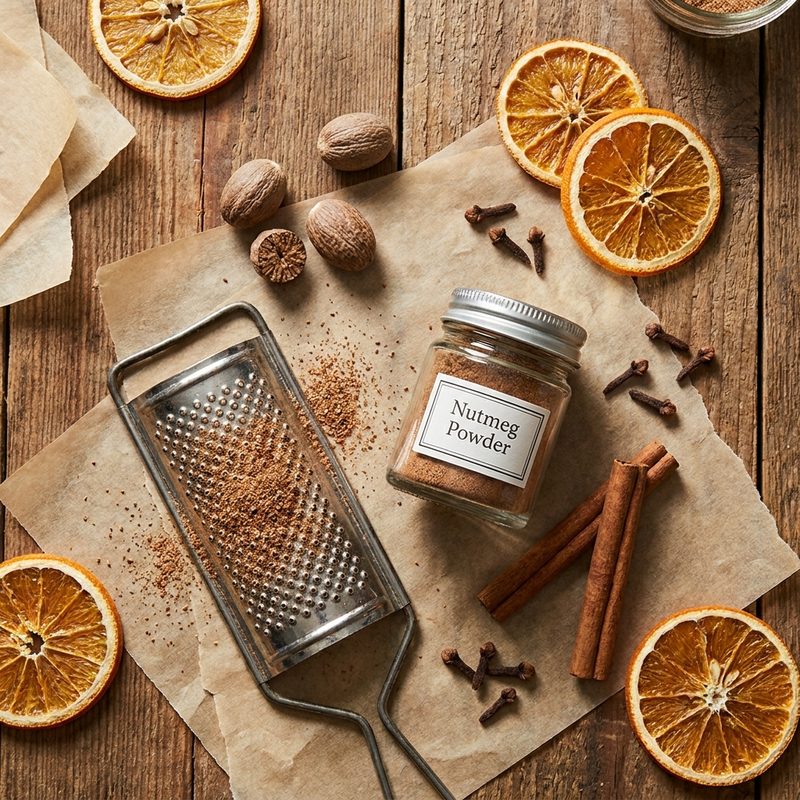
Nutmeg is the dried seed of the Myristica fragrans tree, an evergreen native to the Banda Islands in Indonesia. The seed is encased in a bright red covering called mace, which is also used as a spice. Nutmeg has a warm, slightly sweet, and nutty flavour with hints of clove and cinnamon, thanks to its high content of volatile oils like myristicin. It is typically sold either as whole seeds (hard, brown, oval) or pre-ground powder.
How to Choose Nutmeg
For the best flavour, always buy whole nutmeg seeds rather than pre-ground. Whole seeds retain their essential oils for years, while ground nutmeg loses aroma after just a few months. When selecting whole nutmeg, look for seeds that are heavy for their size, with a smooth, unbroken surface and no visible mould or cracks. The seeds should be about 1–2 cm long and have a rich, spicy fragrance when scratched. For pre-ground nutmeg, buy from a reputable brand and check the packaging date — try to use it within six months of opening.
How to Use Nutmeg in Cooking
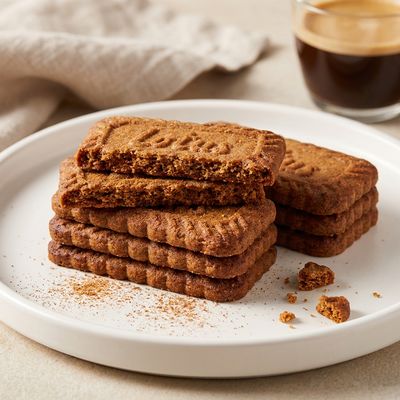
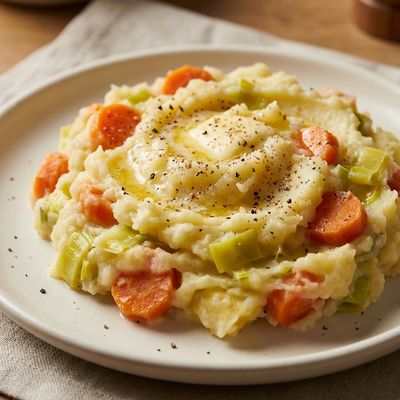
Grind whole nutmeg freshly for the most intense flavour: the best tool is a microplane or fine nutmeg grater. Use about 1 teaspoon of grated whole nutmeg per 500 ml of liquid in béchamel sauce, custard, or eggnog. For baking (cookies, cakes, breads) use 1/2 to 1 teaspoon per 500 g of flour. In savoury dishes, a pinch (about 1/4 teaspoon) added to spinach, mashed potatoes, or pasta fillings lifts the flavour without dominating. Always add nutmeg toward the end of cooking for stews and sauces, as prolonged heat can make it bitter.
Substitutes for Nutmeg
- Mace: The most accurate swap; made from the same seed's covering. Use exactly the same amount (1:1 ratio). It is slightly milder and more delicate.
- Cinnamon: Use 1/2 teaspoon ground cinnamon for every 1 teaspoon nutmeg. It is sweeter and less aromatic, so the dish will taste noticeably different — best for baked goods.
- Allspice: Use 1/2 teaspoon ground allspice per 1 teaspoon nutmeg. Allspice combines notes of cinnamon, clove, and nutmeg, so it works well in both sweet and savoury dishes, but it is bolder.
How to Store Nutmeg
Store whole nutmeg seeds in an airtight container in a cool, dark, dry cupboard — they keep well for up to 3 years. Pre-ground nutmeg should be stored the same way but only for 6 months maximum. For longer storage, place whole seeds in a sealed jar in the freezer; they can last 5 years or more. Once ground, do not freeze the powder, as freezing can introduce moisture. Avoid storing nutmeg near the stove or in direct sunlight, as heat and light quickly degrade its essential oils.
Common Mistakes
- Using too much nutmeg: Nutmeg is potent — too much can overpower a dish and cause a bitter taste. Stick to 1/4–1/2 teaspoon per dish for savoury recipes, and no more than 1 teaspoon for a full batch of custard or dough; always taste before adding more.
- Grinding too far in advance: Freshly ground nutmeg begins to lose aroma within hours. Only grind what you need for that recipe; if you have leftover powder, use it within 1–2 days.
- Storing nutmeg in the spice rack by the stove: Heat and humidity from cooking break down nutmeg's essential oils quickly. Keep it in a sealed container away from any heat source (like the oven or stovetop) to preserve flavour.
Key Takeaways
- ✓ <ul><li>To grind whole nutmeg, use a fine microplane — a box grater works, but the microplane gives a fluffier, more aromatic result.</li><li>For a quick nutmeg substitute in a pinch, try a mix of 1/2 teaspoon cinnamon and 1/4 teaspoon ground cloves (per 1 teaspoon nutmeg).</li><li>Add a pinch of freshly grated nutmeg to coffee, chai, or hot chocolate for a subtle warmth — start with 1/8 teaspoon per cup.</li><li>Toast whole nutmeg seeds in a dry pan for 30 seconds before grating to intensify their flavour.</li></ul>