What It Is and Which Form You Have
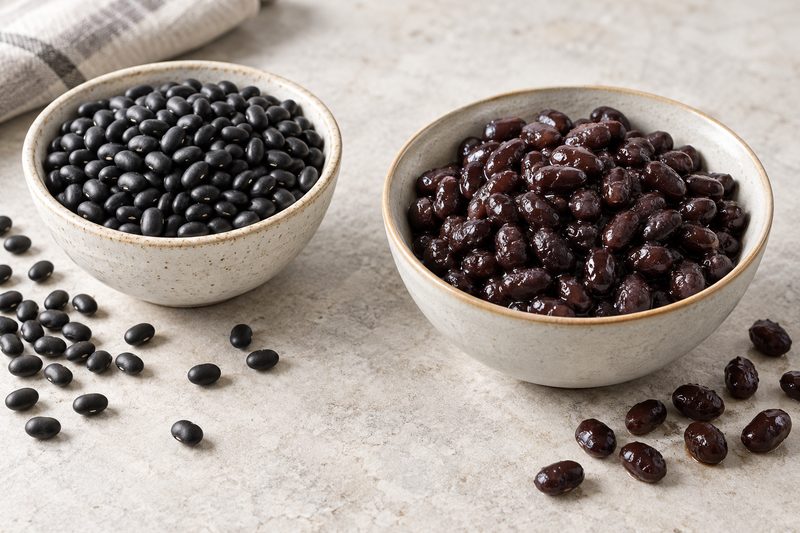
Dry-bean families include black beans and garbanzo beans, which are also called chickpeas. Drain and rinse canned beans before pureeing when the packing liquid is not wanted. Identify the form before following a recipe: related forms can differ in texture, concentration, heat tolerance or the job they do in a dish.
How to Choose It
Use these concrete cues at the shop and again before preparation. If a sealed product has no source-backed visual test, follow its label and reject damaged packaging rather than guessing from appearance alone.
How to Use It in Recipes
Sort and rinse dry beans before cooking; soaking reduces cooking time but does not replace cooking. Older beans can remain hard and take longer to cook. Dry black beans generally cook in 60 to 90 minutes after preparation, with age affecting the time. Cooked beans can be mashed or pureed for spreads and as an ingredient in other dishes. Refrigerate bean puree and use it within four to five days. Let the intended technique decide the form. A finishing ingredient, a blended ingredient and one expected to hold its shape are not always interchangeable, even when their names are similar.
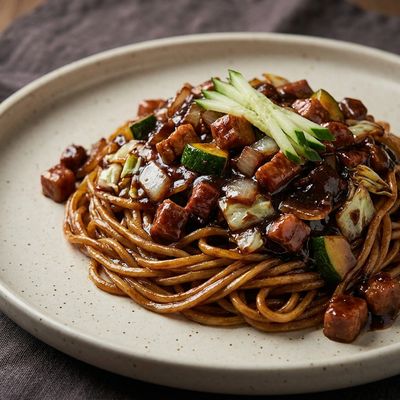
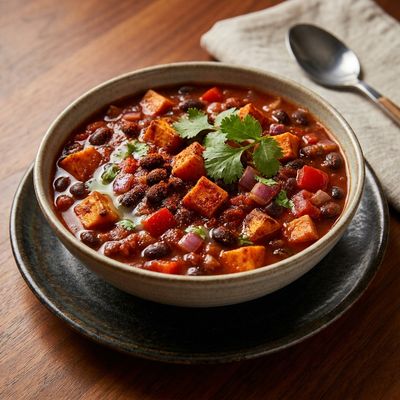
See Jajangmyeon Korean Black Bean Noodles for a concrete Recipe.net example. See Sweet Potato and Black Bean Tacos for a concrete Recipe.net example. See Black Bean and Corn Quesadillas with Avocado Crema for a concrete Recipe.net example. See Chicken Burrito Bowls for a concrete Recipe.net example. These recipes contain an exact black beans match in their saved instructions, so they are practical next steps rather than loosely related recommendations.
How to Choose a Substitute
Choose a replacement by function, not by appearance alone. Unless the checked sources state a conversion, adjust cautiously and expect a change in flavour, texture or cooking behaviour instead of assuming a universal ratio.
How to Store It
Store dry beans protected from oxygen and light in a cool, dry place. Apply the instruction to the exact form and condition you have—whole, cut, opened, cooked or frozen. A storage window describes quality under the stated conditions; it never overrides clear signs of deterioration.
Common Mistakes to Avoid
The avoidable mistake is carrying one rule across every form. Keep the ingredient dry or cold where the evidence requires it, and treat an explicit safety instruction as more important than convenience.
Sources
- Storing Dry Beans (Utah State University Extension)
- Bean Puree (Utah State University Extension)
Key Takeaways
- ✓ Read the recipe's full ingredient line before swapping black beans; the form and intended job matter.
- ✓ Store black beans according to its current condition—unopened, opened, cut or cooked—not by one blanket rule.
- ✓ Treat a missing ratio, temperature or storage period as unresolved instead of turning an estimate into a rule.